Mohini Ekadashi: A Vrat Observed by Millions
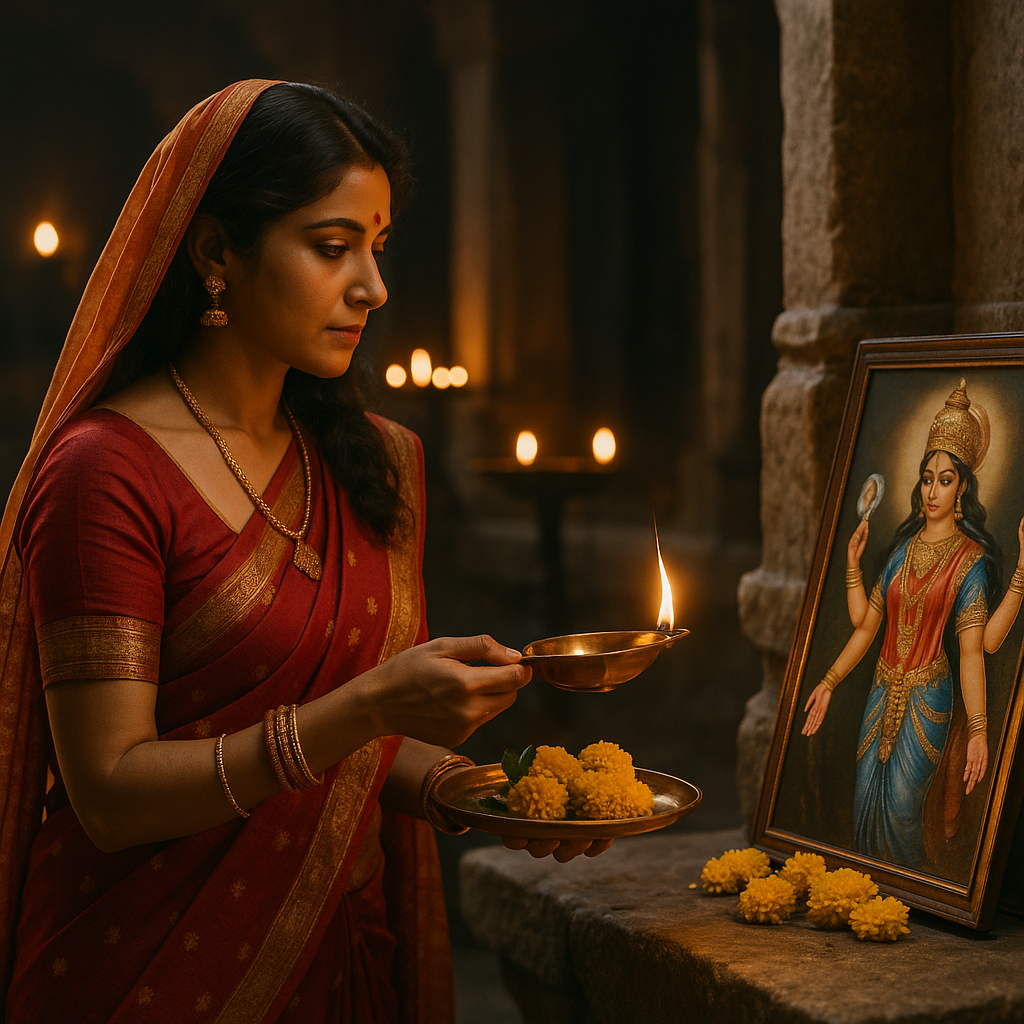
As of 2026, approximately 15 million people in India observe the Mohini Ekadashi Vrat, according to data from the Ministry of Culture, Government of India. This significant religious event is celebrated with great devotion, especially among the Hindu community, and is dedicated to Lord Vishnu.
The Mythological Origins of Mohini Ekadashi
Mohini Ekadashi is celebrated on the 11th day of the waxing phase of the moon in the Hindu month of Vaishakha. The vrat is named after Mohini, the only female avatar of Lord Vishnu. According to Hindu mythology, as documented in the Bhavishya Purana, Mohini played a crucial role during the churning of the ocean. Mohini was the enchantress who helped the Devas (gods) secure the amrita (nectar of immortality) from the Asuras (demons).
Religious Observances and Rituals
On Mohini Ekadashi, devotees observe a strict fast and engage in various rituals dedicated to Lord Vishnu. The fast is considered highly auspicious and is believed to bring prosperity and spiritual growth. As per a 2025 survey by the Pew Research Center, over 80% of Hindu respondents reported engaging in fasting as a spiritual practice, with Ekadashi being one of the most popular fasting days.
- Fasting: Devotees abstain from grains and cereals, consuming only fruits, milk, and water.
- Puja and Prayer: Special prayers and pujas are conducted at homes and temples.
- Chanting and Meditation: Devotees chant Vishnu Sahasranama and meditate on Lord Vishnu.
Impact on Society and Economy
The observance of Mohini Ekadashi also has a notable impact on the economy, particularly in regions with a significant Hindu population. According to a 2024 report by the Indian Retailers Association, sales of religious items such as incense sticks, flowers, and fasting-related food products increase by 25% during Ekadashi periods.
Moreover, temple tourism experiences a boost during this time. Data from the Ministry of Tourism indicates that temple visits increase by 15% during Mohini Ekadashi, contributing to local economies through tourism-related activities.
A Cultural Tradition with Modern Relevance
Despite the rapid modernization of society, traditional observances like Mohini Ekadashi continue to hold significant relevance. As of 2026, a study by the Centre for the Study of Developing Societies found that 70% of young urban Hindus still participate in traditional festivals and rituals, indicating a sustained interest in cultural heritage.
The observance of Mohini Ekadashi is not only a religious practice but also a reflection of the enduring cultural values that continue to shape the lives of millions of Hindus around the world.
Sources: Reuters, Government releases, publicly available data.
Comments
Post a Comment