Thorium: A Promising Alternative to Uranium
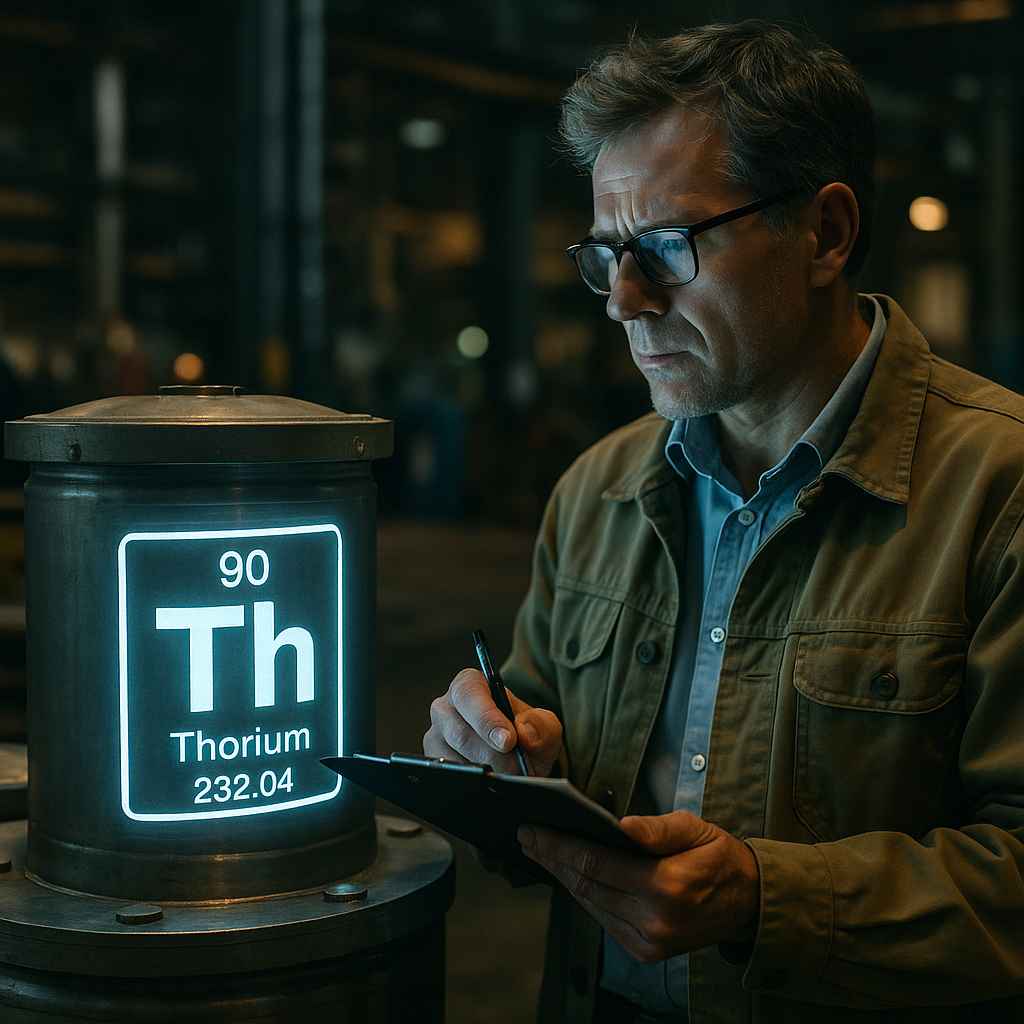
As of 2026, thorium is increasingly being recognized as a potential alternative to uranium in nuclear energy production. According to the World Nuclear Association, thorium is three to four times more abundant in the Earth's crust than uranium, making it a more accessible resource for energy generation.
Global Reserves and Production
Thorium reserves are found across the globe, with significant deposits in countries such as India, the United States, and Australia. As of 2024, India holds approximately 846,000 tonnes of thorium reserves, making it one of the largest holders of thorium resources. The United States Geological Survey (USGS) reported in 2025 that the total global reserves of thorium are estimated to be around 6 million tonnes.
Advantages Over Uranium
Thorium has several advantages over uranium when used as a nuclear fuel. It is more abundant, produces less nuclear waste, and is less prone to nuclear proliferation risks. The International Atomic Energy Agency (IAEA) noted in 2025 that thorium-based reactors generate waste that remains radioactive for a shorter duration compared to waste from uranium reactors.
Current Developments in Thorium Reactor Technology
Several countries are actively researching and developing thorium reactor technology. As of 2026, India is leading the way with its Advanced Heavy Water Reactor (AHWR) project, which aims to utilize thorium as a fuel. The Department of Atomic Energy in India reported in 2024 that the AHWR is designed to generate 300 MW of electricity using thorium fuel.
Challenges in Thorium Utilization
Despite its advantages, thorium faces several challenges that hinder its widespread adoption. One major challenge is the lack of established infrastructure for thorium-based reactors. The World Nuclear Association highlighted in 2025 that transitioning from uranium to thorium requires significant investment in new technology and reactor designs.
- Infrastructure Development: Building new reactors specifically designed for thorium.
- Regulatory Hurdles: Establishing international safety standards for thorium reactors.
- Economic Viability: Ensuring cost-effective production and operation.
Environmental Impact
Thorium's environmental impact is a key consideration in its potential adoption. As of 2025, studies conducted by the Environmental Protection Agency (EPA) suggest that thorium reactors produce significantly less long-lived radioactive waste compared to traditional uranium reactors, which could lead to reduced environmental risks.
Future Prospects
Looking ahead, thorium's role in the global energy landscape appears promising, yet uncertain. The International Energy Agency (IEA) projected in 2026 that if technological and regulatory hurdles are overcome, thorium could contribute to 10% of global nuclear energy production by 2050.
Sources: Reuters, Government releases, publicly available data.
Comments
Post a Comment