Introduction to the Lyrids Meteor Shower
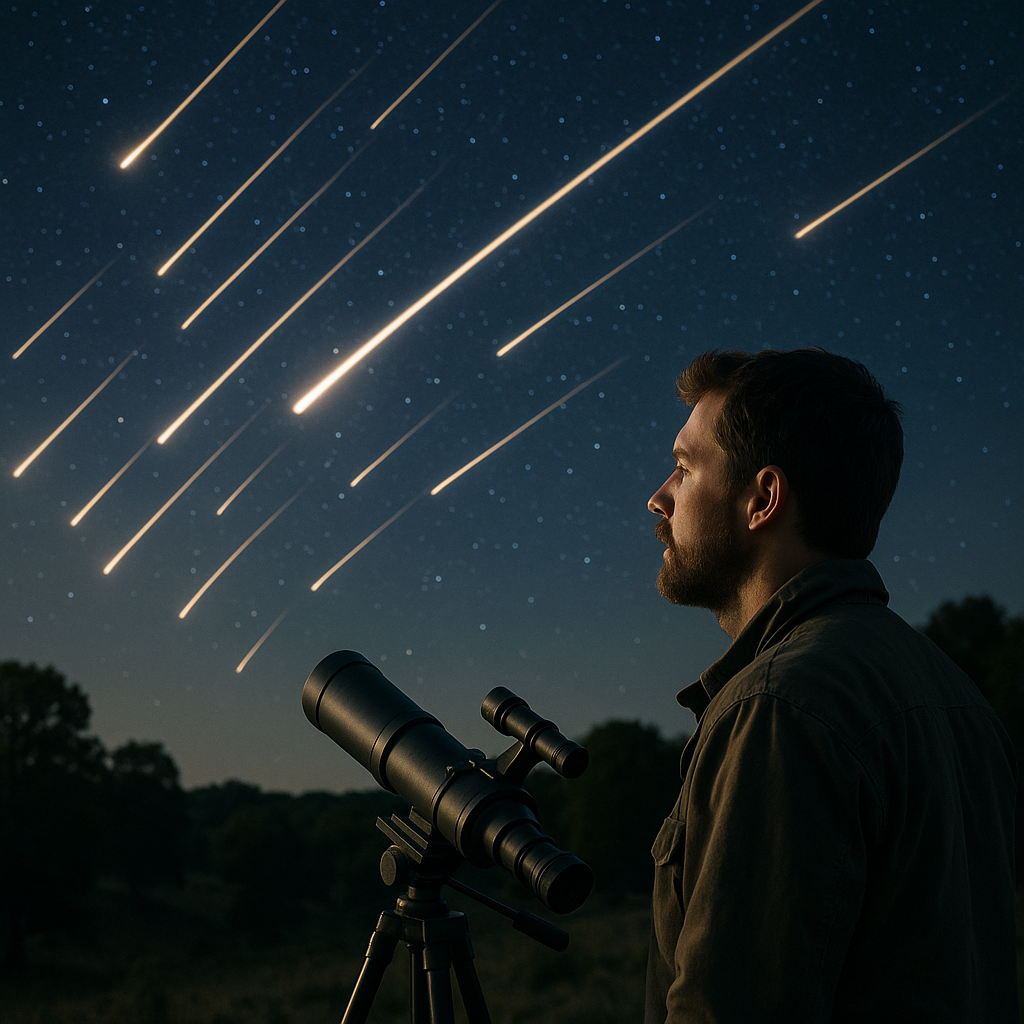
The Lyrids meteor shower, one of the oldest known meteor showers, has been observed for over 2,600 years. As of 2026, it continues to captivate astronomers and skywatchers with its annual display of shooting stars. The Lyrids are typically active between April 16 and April 25 each year, peaking around April 22. During the peak, observers can expect to see approximately 10 to 20 meteors per hour under optimal conditions.
Historical Context and Observations
The Lyrids meteor shower is associated with the comet C/1861 G1 Thatcher. This comet was discovered by A.E. Thatcher in 1861, and its orbit is responsible for the debris that creates the meteor shower. Historical records indicate that the Lyrids have been observed since 687 BC, making it one of the oldest documented meteor showers. According to NASA, the Lyrids have occasionally produced outbursts of up to 100 meteors per hour, although such events are rare.
Recent Observations and Data
As of 2026, data collected by various astronomical organizations, including the International Meteor Organization (IMO), shows that the Lyrids continue to provide a reliable display of meteors each April. In 2024, observers reported a peak rate of about 18 meteors per hour, slightly above the average. In 2025, the peak rate was similar, with approximately 17 meteors per hour.
In 2026, the Lyrids are expected to peak on the night of April 22 and early morning of April 23. According to the IMO, the shower is predicted to produce between 15 and 20 meteors per hour, contingent on clear skies and minimal light pollution.
Viewing Conditions and Tips
For optimal viewing of the Lyrids meteor shower, experts recommend the following:
- Find a location away from city lights to reduce light pollution.
- Allow your eyes to adjust to the darkness for at least 20 minutes.
- Look towards the constellation Lyra, where the meteors appear to originate.
- Check weather forecasts to ensure clear skies.
As of 2026, the moon phase during the Lyrids peak is expected to be a waxing crescent, which means minimal interference from moonlight, thereby enhancing visibility.
Scientific Significance and Research
The Lyrids meteor shower provides valuable opportunities for scientific research. The study of meteor showers helps scientists understand the composition of comets and the dynamics of their orbits. According to a 2025 report by the American Meteor Society, analyzing the Lyrids has contributed to insights into the behavior of cometary debris and its interaction with Earth's atmosphere.
Research conducted in 2024 and 2025 has focused on the chemical analysis of meteors from the Lyrids, revealing a composition rich in silicates and metals. This data is crucial for understanding the material makeup of the parent comet Thatcher and similar bodies in our solar system.
Conclusion
The Lyrids meteor shower remains a significant event for both amateur and professional astronomers. Its historical significance and consistent annual appearance make it a reliable subject for ongoing research and public interest. As of 2026, enthusiasts can look forward to another opportunity to witness this celestial spectacle.
Sources: Reuters, Government releases, publicly available data.
Comments
Post a Comment