Understanding कर्जमाफी: A Financial Relief Measure
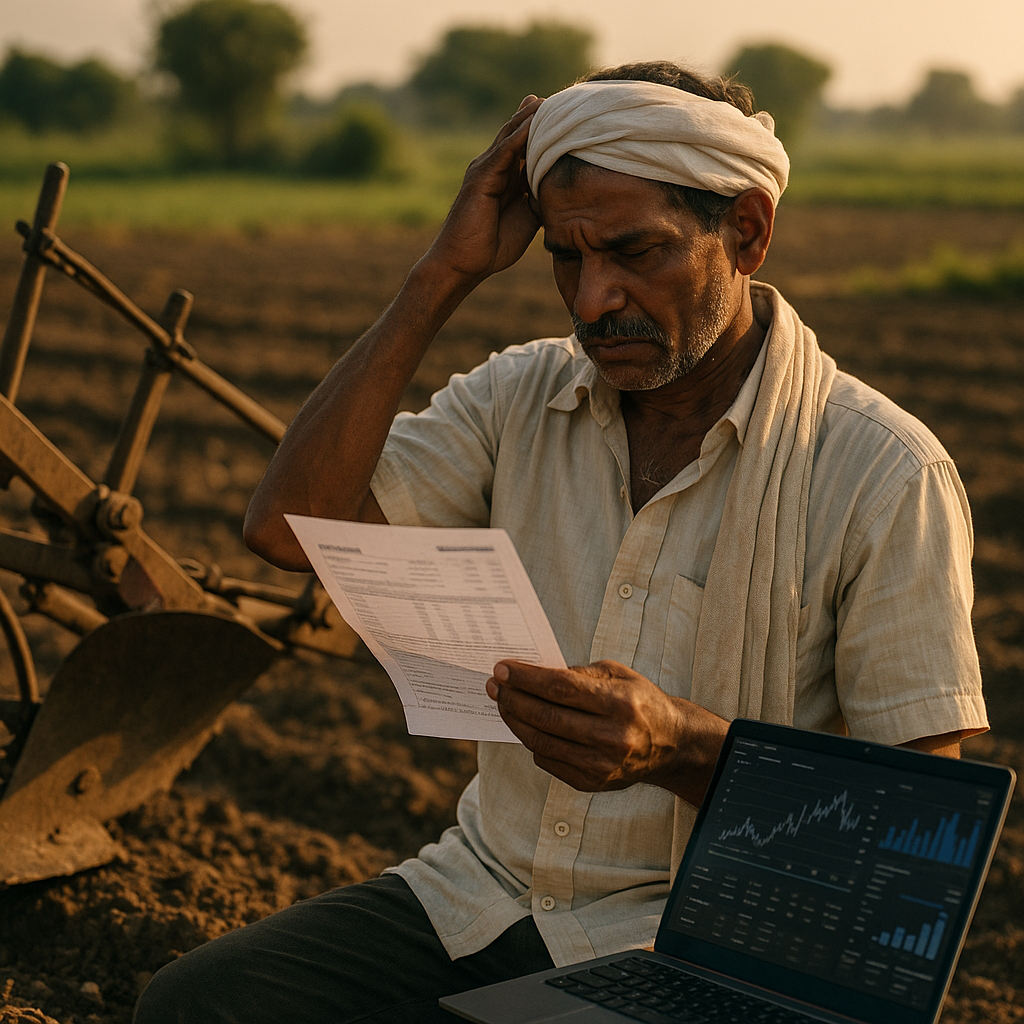
कर्जमाफी, or loan waiver, is a financial relief measure aimed at alleviating the debt burden on farmers. As of 2026, India has implemented several rounds of loan waivers to support its agricultural sector, which employs nearly 58% of the country's workforce according to the Ministry of Agriculture.
Recent Developments in कर्जमाफी
In 2024, the Indian government announced a ₹1.5 trillion loan waiver scheme targeting small and marginal farmers. This initiative was designed to cover approximately 50 million farmers across various states, according to a report by Reuters.
Economic Impact: A Mixed Bag
While loan waivers provide immediate relief to farmers, their long-term economic impact remains a subject of debate. As of 2025, the Reserve Bank of India (RBI) reported that loan waivers contributed to a 0.3% increase in the fiscal deficit. This raises concerns about the sustainability of such measures, especially when considering the broader economic implications.
State-Specific Data
Different states have experienced varying levels of success with loan waivers:
- Maharashtra: In 2026, the state reported a 20% reduction in farmer suicides, attributed partly to effective implementation of loan waivers (source: Maharashtra State Government).
- Punjab: As of 2025, Punjab's agricultural growth rate increased by 2%, a significant improvement from previous years, according to state agricultural department data.
- Uttar Pradesh: The state faced challenges in implementing its waiver program, with only 60% of targeted farmers receiving benefits by 2025 (source: Uttar Pradesh State Government).
Challenges in Implementation
Despite the benefits, the implementation of कर्जमाफी is fraught with challenges. A 2025 report by the Comptroller and Auditor General of India highlighted issues such as delayed disbursement and incomplete beneficiary lists, which hinder the effectiveness of loan waivers.
Looking Ahead: Policy Recommendations
As of 2026, experts suggest several policy recommendations to improve the efficacy of loan waivers:
- Enhancing transparency in the beneficiary selection process.
- Integrating loan waivers with broader agricultural reforms.
- Establishing robust monitoring mechanisms to ensure timely disbursement.
Sources: Reuters, Government releases, publicly available data.
Comments
Post a Comment