The Rise of 5G Technology
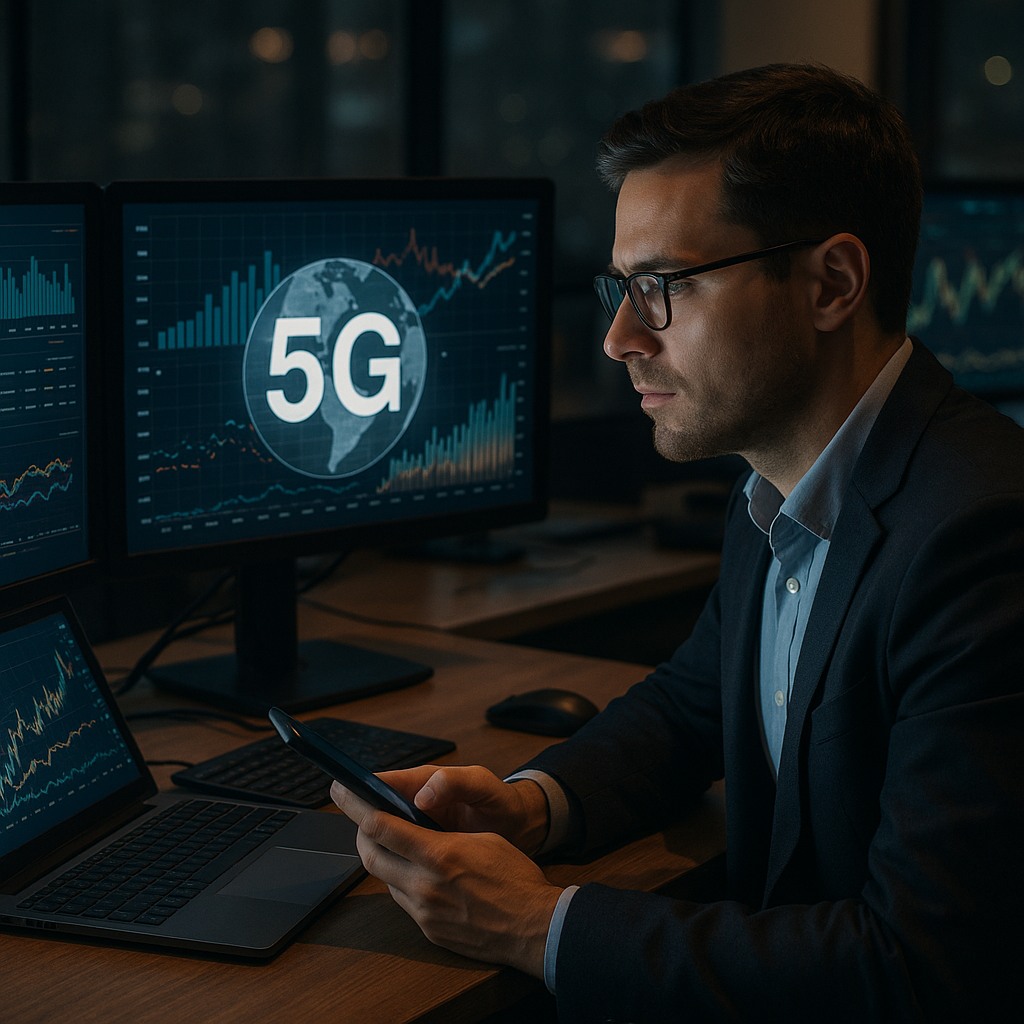
As of 2026, 5G technology has become a cornerstone of global telecommunications infrastructure, with widespread implications for industries and consumers alike. The technology promises faster speeds, lower latency, and the ability to connect a vast number of devices simultaneously. According to the International Telecommunication Union (ITU), 5G networks are expected to cover 65% of the world's population by the end of 2026.
Global Adoption and Deployment
The deployment of 5G networks has seen rapid growth since its initial rollout. By 2024, Statista reported that there were approximately 1.5 billion 5G subscriptions worldwide. This number is projected to increase to 3 billion by 2026. The GSMA, a global mobile industry association, highlights that over 200 operators have launched 5G services in more than 70 countries as of 2025. This rapid expansion is largely fueled by the increasing demand for connectivity, particularly in urban areas.
Economic Implications
5G technology is expected to contribute significantly to the global economy. A report by PricewaterhouseCoopers (PwC) estimates that 5G will add approximately $1.3 trillion to global GDP by 2030. As of 2026, industries such as healthcare, automotive, and manufacturing are already leveraging 5G to enhance operational efficiencies and innovate new services. For instance, the automotive industry is utilizing 5G for autonomous driving technologies, which require real-time data processing and communication.
Technological Advancements
One of the key benefits of 5G technology is its ability to support Internet of Things (IoT) applications. The number of IoT devices connected via 5G is expected to reach 25 billion by 2025, according to a report by Ericsson. This connectivity empowers smart cities, enhances logistics and supply chain management, and transforms consumer electronics.
- Speed and Efficiency: 5G offers download speeds up to 10 gigabits per second, which is 100 times faster than 4G.
- Latency: The latency in 5G networks can be as low as 1 millisecond, making it ideal for applications requiring real-time feedback.
- Network Capacity: 5G can support up to 1 million devices per square kilometer, significantly increasing network capacity.
- Energy Efficiency: 5G networks are designed to be more energy-efficient, reducing power consumption by up to 90% compared to 4G.
Challenges and Considerations
Despite the advantages, the rollout of 5G technology faces several challenges. The high cost of infrastructure development and the need for extensive fiber optic networks are significant barriers. As of 2026, the Federal Communications Commission (FCC) in the United States has highlighted concerns regarding spectrum allocation and the need for regulatory frameworks to ensure equitable access to 5G services.
Security remains a critical issue, with the increased connectivity leading to potential vulnerabilities. The European Union Agency for Cybersecurity (ENISA) has been actively working on guidelines to safeguard 5G networks against cyber threats.
Future Prospects
Looking ahead, the evolution of 5G technology is set to pave the way for 6G, which promises even greater advancements in speed, connectivity, and applications. Research and development efforts are already underway, with countries like China and South Korea leading the charge in 6G exploration.
Sources: Reuters, Government releases, publicly available data.
Comments
Post a Comment