Renewable Energy Innovations: A Statistical Overview
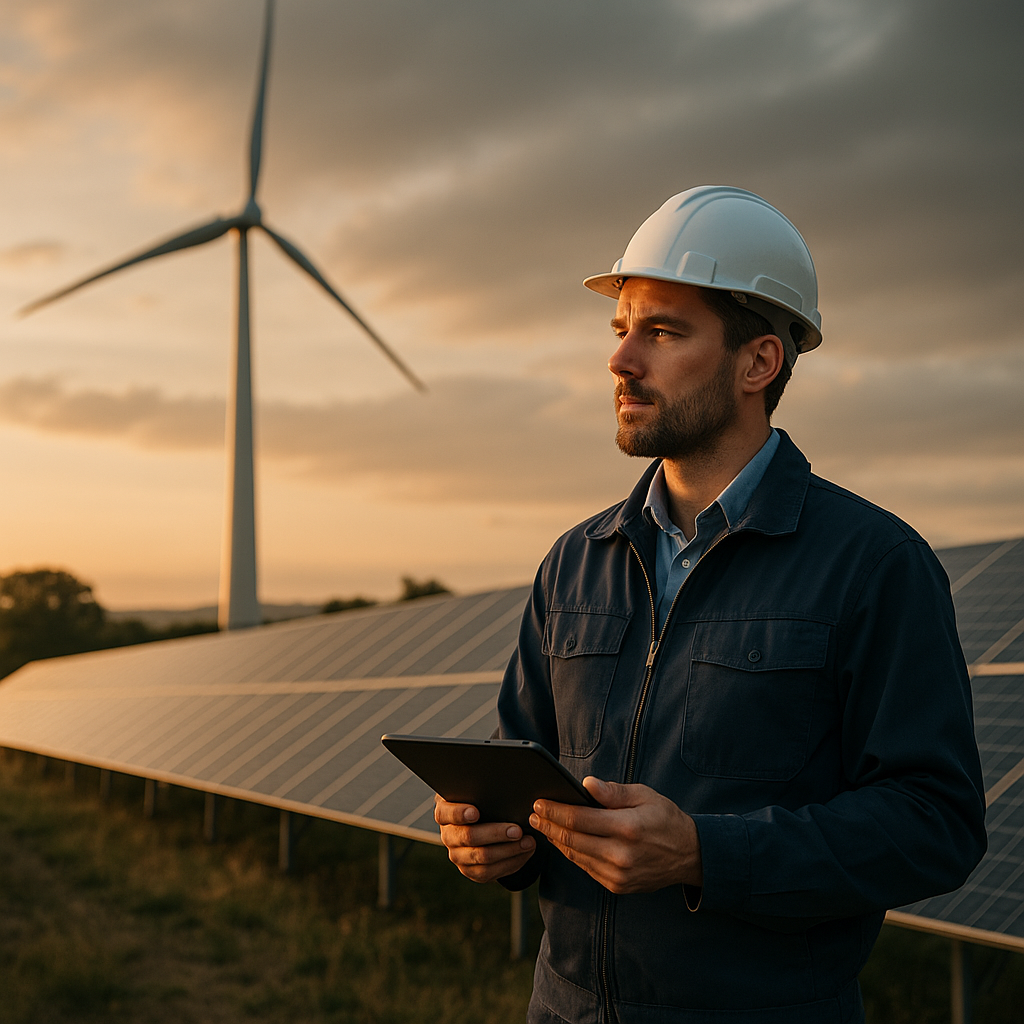
As of 2026, the global renewable energy capacity is projected to reach an unprecedented 4,500 gigawatts (GW), showcasing a significant leap from 3,372 GW in 2021, according to the International Renewable Energy Agency (IRENA). This surge is driven by technological advancements and policy support, paving the way for a sustainable future.
Solar Power: Leading the Charge
Solar power continues to dominate the renewable energy sector, with an expected capacity increase to 2,000 GW by 2026, up from 849 GW in 2021. The rapid expansion is attributed to declining costs and improved efficiency of photovoltaic cells. According to a report by BloombergNEF, the cost of solar power is expected to decrease by an additional 15% by 2026, making it more accessible globally.
Wind Energy: Harnessing Natural Forces
Wind energy is another significant contributor to the renewable energy landscape. Global wind power capacity is anticipated to grow to 1,200 GW by 2026, up from 837 GW in 2021, as per data from the Global Wind Energy Council. Offshore wind farms, in particular, are seeing increased investments due to their higher efficiency and reduced land usage.
Hydrogen: The Emerging Contender
Hydrogen is emerging as a key player in the renewable energy sector. The global hydrogen market is expected to reach $200 billion by 2026, driven by advancements in electrolyzer technology and supportive government policies. The European Union, for instance, has committed to installing 40 GW of electrolyzers by 2030, as part of its Green Deal initiative.
Energy Storage: The Backbone of Renewables
As renewable energy sources are inherently variable, efficient energy storage solutions are crucial. The global energy storage capacity is projected to grow to 500 GW by 2026, a significant increase from 209 GW in 2021, according to the U.S. Department of Energy. Innovations in battery technology, such as solid-state batteries, are expected to enhance storage capabilities, ensuring a stable energy supply.
Geothermal Energy: A Steady Source
While not as widely discussed, geothermal energy remains a reliable renewable source. The global geothermal capacity is set to increase to 20 GW by 2026, from 14 GW in 2021. Countries like Iceland and the Philippines continue to lead in geothermal energy production, leveraging their unique geographical advantages.
Key Innovations Driving Renewable Energy
- Floating Solar Farms: These installations are gaining traction, particularly in regions with limited land. They offer higher efficiency due to cooler temperatures and reduced evaporation rates.
- Advanced Wind Turbine Designs: Innovations such as vertical-axis turbines and bladeless designs are improving efficiency and reducing noise pollution.
- Artificial Intelligence: AI is being used to optimize energy consumption and predict maintenance needs, enhancing the overall efficiency of renewable energy systems.
- Grid Integration: Smart grids and microgrids are being developed to better integrate renewable sources, ensuring a more reliable energy supply.
Government Policies and Global Initiatives
Governments worldwide are implementing policies to support renewable energy development. The United States, for example, aims to achieve a carbon-free electricity sector by 2035, as outlined in its Energy Plan. China, the world's largest renewable energy producer, plans to achieve carbon neutrality by 2060, with significant investments in solar and wind power.
The Road Ahead
The renewable energy sector is poised for continued growth, driven by technological innovations and supportive policies. As countries strive to meet their climate goals, the focus on renewable energy investments is expected to intensify, ensuring a sustainable and resilient energy future.
Sources: Reuters, Government releases, publicly available data.
Comments
Post a Comment