Artificial Intelligence: A Global Economic Force
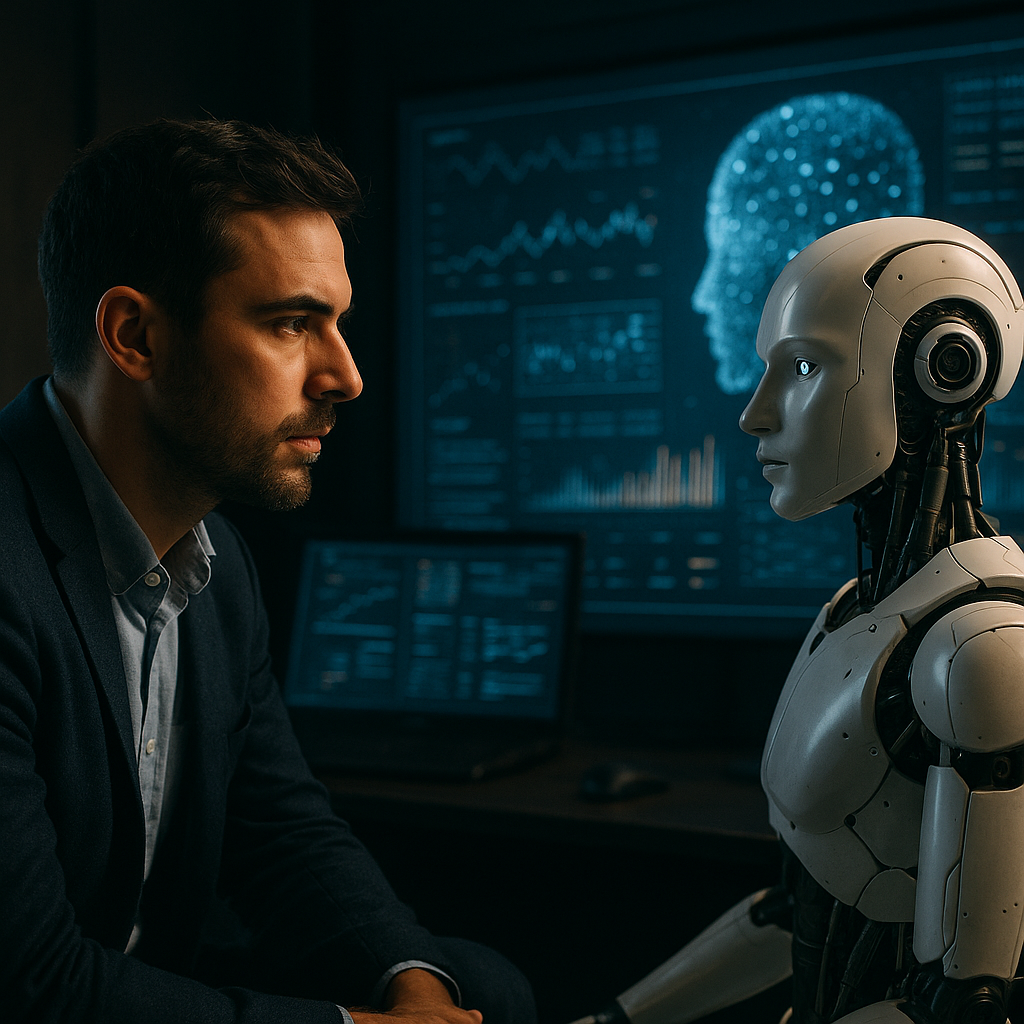
Artificial Intelligence (AI) continues to be a major driver of economic growth and innovation worldwide. By 2026, the global AI market is projected to reach $190.61 billion, according to a report by MarketsandMarkets. This growth represents a compound annual growth rate (CAGR) of 36.62% from 2021 to 2026, underscoring the rapid adoption and integration of AI technologies across various industries.
AI Investment and Adoption
As of 2024, investments in AI technologies have reached unprecedented levels. A report from McKinsey & Company highlights that global corporate investment in AI surged to over $165 billion in 2024, reflecting a 40% increase from the previous year. This surge is driven by a growing recognition of AI's potential to enhance productivity and drive innovation.
In terms of adoption, the International Data Corporation (IDC) predicts that by 2025, 75% of enterprises will have deployed AI in some form, whether through automation, data analytics, or customer service enhancements. This widespread adoption is attributed to AI's ability to streamline operations and improve decision-making processes.
AI's Impact on Employment
The impact of AI on employment continues to be a topic of significant interest and debate. According to the World Economic Forum's Future of Jobs Report 2025, AI is expected to displace approximately 85 million jobs globally by 2025. However, the same report suggests that AI will also create 97 million new roles that are better suited to the new division of labor between humans, machines, and algorithms.
This shift highlights the importance of reskilling and upskilling the workforce to prepare for the jobs of the future. Governments and organizations are increasingly investing in training programs to equip workers with the necessary skills to thrive in an AI-driven economy.
AI in Healthcare
The healthcare sector is one of the most promising areas for AI applications. As of 2025, AI in healthcare is projected to reach a market value of $45.2 billion, according to a report by Grand View Research. AI technologies are being used to improve diagnostic accuracy, personalize treatment plans, and enhance patient care through predictive analytics.
- Diagnostic Accuracy: AI algorithms can analyze medical images with high precision, aiding in the early detection of diseases such as cancer.
- Personalized Treatment: AI-driven platforms can tailor treatment plans based on individual patient data, improving outcomes and reducing costs.
- Predictive Analytics: AI tools can predict patient deterioration, allowing for timely interventions and improved patient management.
Ethical and Regulatory Considerations
As AI technologies become more pervasive, ethical and regulatory considerations have come to the forefront. In 2024, the European Union implemented the AI Act, a comprehensive regulatory framework aimed at ensuring the safe and ethical use of AI technologies. The Act categorizes AI applications based on risk levels and imposes strict requirements on high-risk AI systems, such as those used in critical infrastructure and law enforcement.
The United States is also taking steps to address AI ethics and regulation. In 2025, the National Institute of Standards and Technology (NIST) released guidelines for AI development, focusing on transparency, accountability, and bias mitigation. These efforts aim to build public trust in AI systems and ensure that they are used responsibly and ethically.
Conclusion
The landscape of artificial intelligence is rapidly evolving, with significant implications for the global economy, workforce, and society at large. As of 2026, AI continues to drive innovation, enhance productivity, and transform industries. However, the challenges associated with ethical use and regulation remain critical areas of focus as AI technologies become increasingly integrated into our daily lives.
Sources: Reuters, Government releases, publicly available data.
Comments
Post a Comment