Indian Railways: A Backbone of Connectivity
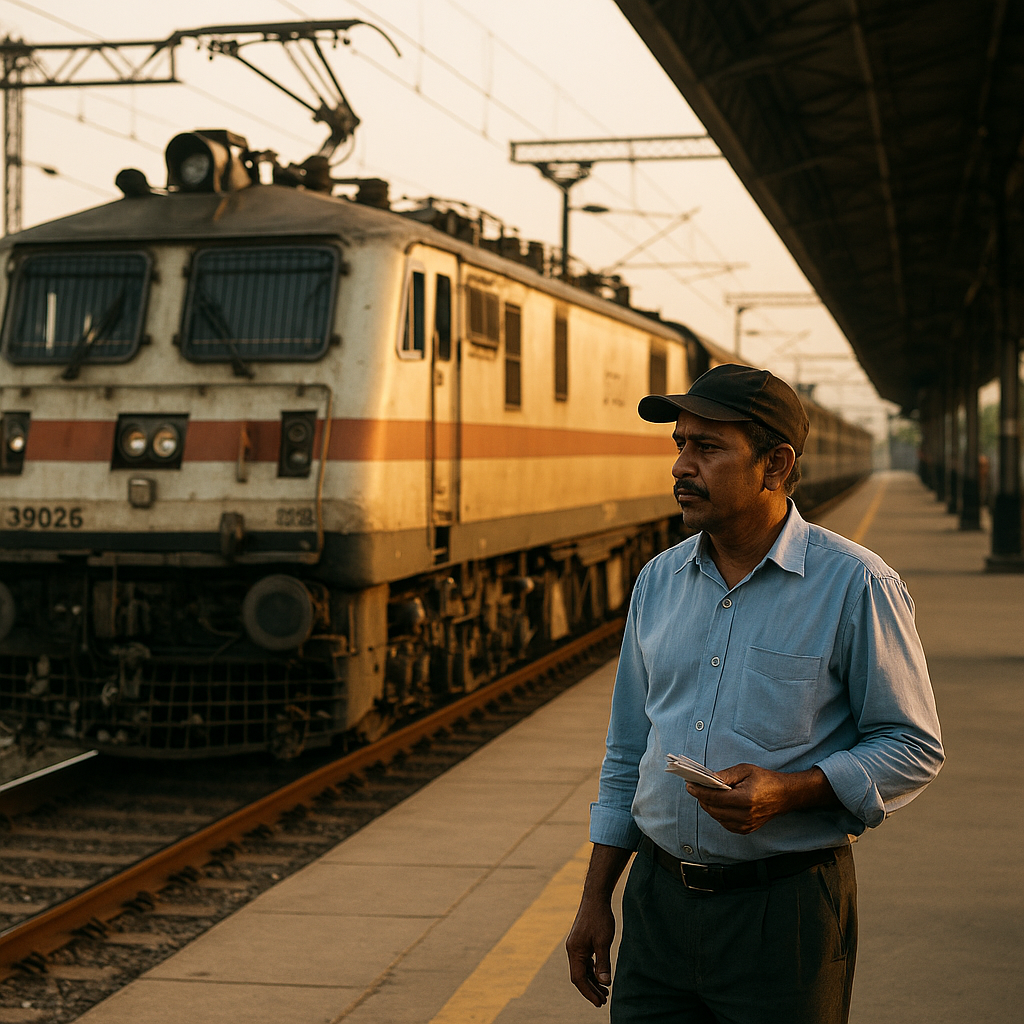
As of 2026, Indian Railways stands as one of the world's largest railway networks, with over 70,000 kilometers of track and serving more than 8 billion passengers annually. This massive network is not only a critical component of India's infrastructure but also a vital part of its economy, providing employment to over 1.3 million people, according to the Ministry of Railways.
Technological Advancements and Modernization
In recent years, Indian Railways has been undergoing significant technological transformations aimed at improving efficiency and passenger experience. By 2025, the railways plan to electrify 100% of its broad-gauge network, a move that is expected to reduce carbon emissions significantly. As of 2024, approximately 85% of the broad-gauge network has already been electrified, according to a report by Reuters.
Moreover, the introduction of the Vande Bharat Express trains marks a significant leap in modernizing the railway services. These semi-high-speed trains, first introduced in 2019, are designed to travel at speeds up to 160 km/h. By 2026, the Indian government aims to roll out 75 such trains across the country, enhancing connectivity between major cities.
Passenger Amenities and Safety Measures
Enhancing passenger amenities has been a priority for Indian Railways. As of 2026, over 1,000 railway stations have been equipped with free Wi-Fi services, catering to the digital needs of passengers. Additionally, the implementation of the Rail Madad system has streamlined the grievance redressal process, allowing passengers to lodge complaints and track their status in real-time.
Safety remains a critical focus area. The introduction of the Train Collision Avoidance System (TCAS) is a testament to the railways' commitment to passenger safety. This system, currently in the testing phase, is expected to be fully operational by 2025, aiming to prevent accidents by automatically controlling train speed and movement.
Financial Performance and Investments
Indian Railways has been making concerted efforts to improve its financial performance. In the fiscal year 2024-2025, the revenue generated from freight services reached INR 1.5 trillion, marking a 7% increase from the previous year, according to government data. This growth is attributed to the increased transportation of essential commodities like coal, cement, and food grains.
To sustain and enhance this growth, the railways have been attracting significant investments. By 2026, the government plans to invest INR 2 trillion in infrastructure development, focusing on track renewals, station redevelopment, and the enhancement of rolling stock.
Challenges and Future Prospects
Despite these advancements, Indian Railways faces several challenges, including the need for further modernization of infrastructure and addressing the issues of overcrowding and punctuality. However, with ongoing initiatives and strategic investments, the future looks promising.
- Electrification target by 2025: 100% of broad-gauge network
- Vande Bharat Express trains by 2026: 75 trains
- Revenue from freight services in 2024-2025: INR 1.5 trillion
- Investment in infrastructure by 2026: INR 2 trillion
As of 2026, Indian Railways continues to be a pivotal player in India's transportation sector, driving economic growth and connecting millions across the nation.
Sources: Reuters, Government releases, publicly available data.
Comments
Post a Comment