Aadhaar: A Pivotal Component of India's Digital Identity
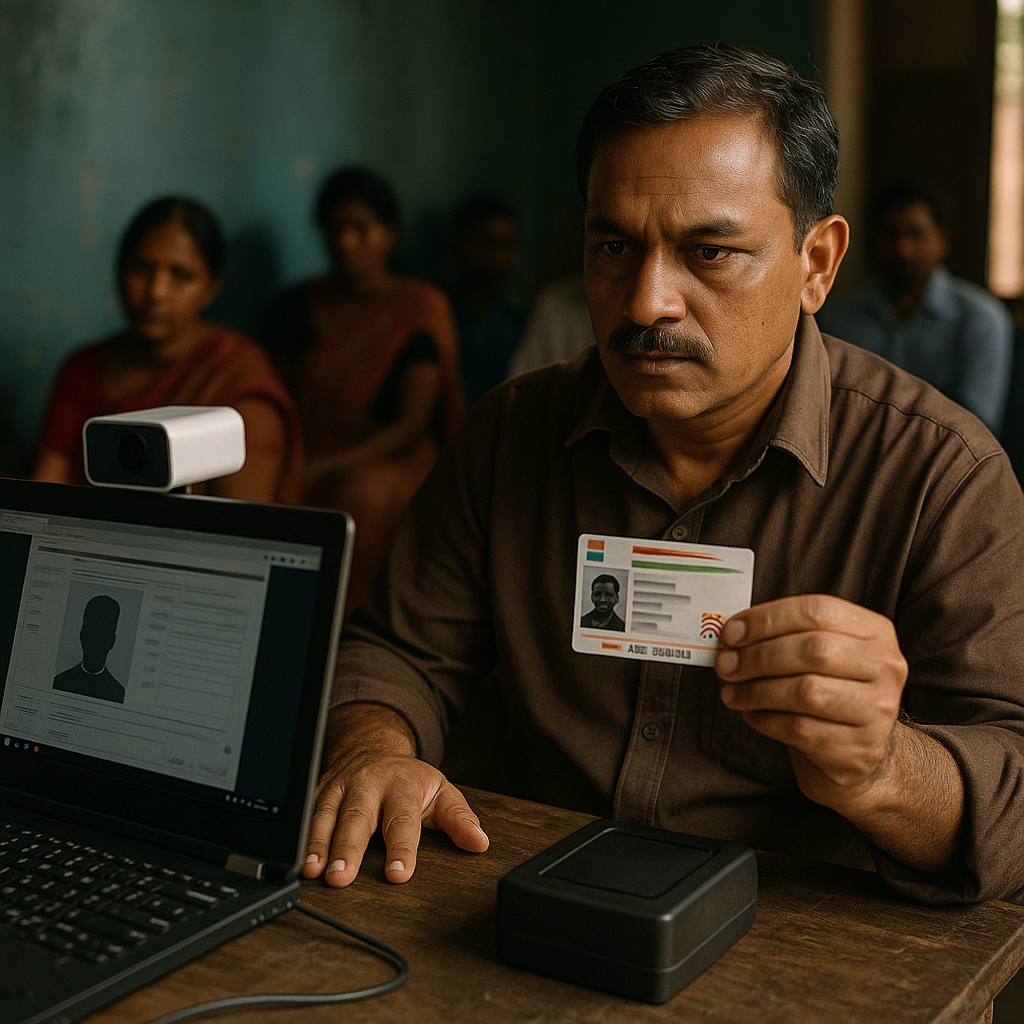
As of 2026, Aadhaar has become an integral part of India's digital infrastructure, with over 1.3 billion people enrolled, according to data from the Unique Identification Authority of India (UIDAI). This makes it one of the largest biometric identification systems in the world, underscoring its significance in the country's governance and socio-economic landscape.
Historical Context and Development
Launched in 2009, Aadhaar was envisioned as a means to provide a unique identity to every resident of India. The initiative aimed to streamline the delivery of various government services and subsidies, reducing leakages and ensuring that benefits reach the intended recipients. By 2024, Aadhaar had already covered 99% of the adult population, marking a significant milestone in its implementation journey.
Technological Backbone and Features
Aadhaar's success is largely attributed to its robust technological framework. It utilizes biometric data, including fingerprints and iris scans, to establish a unique identity for each individual. As of 2025, the system had processed over 100 million authentication requests daily, showcasing its capability to handle large volumes of data efficiently (UIDAI).
Impact on Governance and Service Delivery
The introduction of Aadhaar has revolutionized the way government services are delivered in India. By linking Aadhaar with various welfare schemes, the government has managed to save approximately $9 billion by 2025 through the elimination of fraudulent claims and duplicate enrollments (Reuters). Key benefits include:
- Direct Benefit Transfer (DBT): Aadhaar has facilitated the seamless transfer of subsidies directly to beneficiaries' bank accounts, reducing middlemen intervention.
- Financial Inclusion: The Aadhaar-enabled payment system has brought millions into the formal banking sector, increasing access to financial services.
- Healthcare: Aadhaar has streamlined patient identification processes in public hospitals, improving service efficiency.
Challenges and Criticisms
Despite its widespread adoption, Aadhaar has faced criticism regarding privacy concerns and the potential misuse of biometric data. In 2024, the Supreme Court of India ruled that Aadhaar cannot be mandatory for services like bank accounts and mobile connections, highlighting the need for robust data protection measures (Government of India). Additionally, issues related to data breaches and unauthorized access have prompted calls for enhanced security protocols.
Future Prospects and Innovations
Looking ahead, Aadhaar is poised to play an even more significant role in India's digital transformation. As of 2026, the government plans to integrate Aadhaar with emerging technologies such as blockchain to further secure transactions and enhance transparency (Government announcements). Moreover, efforts are underway to improve the system's accessibility for differently-abled individuals and those residing in remote areas.
Sources: Reuters, Government releases, publicly available data.
Comments
Post a Comment