Introduction to the Indian Air Force
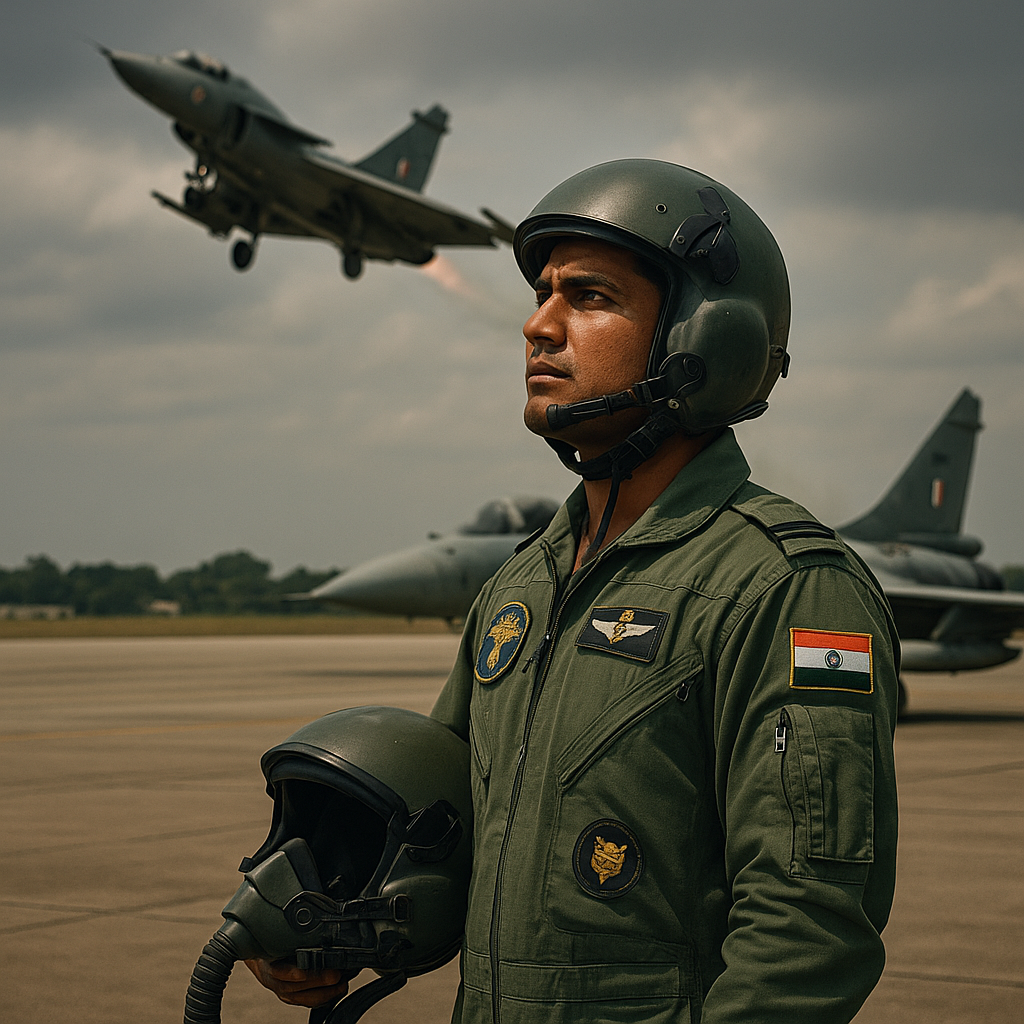
The Indian Air Force (IAF) ranks as the fourth largest air force in the world, a testament to its significant role in national defense and regional stability. As of 2026, the IAF boasts a personnel strength of approximately 170,000, including 1,500 pilots, according to the Ministry of Defence data.
Modernization and Expansion Efforts
In recent years, the IAF has undergone substantial modernization to enhance its operational capabilities. The induction of advanced aircraft like the Rafale and the domestically developed Tejas has been pivotal. As of 2024, the IAF has received 36 Rafale jets, a deal finalized in 2016, which have been deployed at strategic locations to bolster air defense capabilities.
The indigenous Tejas Light Combat Aircraft (LCA) has also seen increased integration. By 2025, the IAF plans to induct 123 Tejas aircraft, as per the Hindustan Aeronautics Limited (HAL) reports. This move not only strengthens the IAF's fleet but also supports the 'Make in India' initiative aimed at boosting domestic defense manufacturing.
Advanced Technology and Training
The IAF has been investing in advanced technology to maintain air superiority. The induction of the S-400 Triumf air defense systems from Russia, expected to be fully operational by 2025, enhances India's aerial defense network significantly. These systems can engage multiple targets at various ranges, providing a robust shield against aerial threats.
Training is another critical aspect of IAF's operational readiness. The establishment of the Air Force Station in Ambala as a premier training facility underscores this focus. As of 2025, the Ambala station conducts advanced training exercises, integrating new aircraft and technology.
Strategic Deployments and Operations
In terms of strategic deployments, the IAF's role in maintaining regional stability cannot be overstated. The deployment of fighter squadrons at forward bases along the western and northern borders exemplifies this strategic positioning. As of 2026, the IAF has 31 active fighter squadrons, with plans to increase this number to 42 by 2030, according to a report by the Parliamentary Standing Committee on Defence.
The IAF has also been actively involved in humanitarian missions and disaster relief operations. During the 2024 floods in Assam, the IAF deployed transport aircraft and helicopters to deliver relief materials and evacuate stranded civilians, showcasing its versatility and commitment to national service.
Fleet Composition and Future Acquisitions
The IAF's fleet comprises a mix of fighter jets, transport aircraft, and helicopters. As of 2025, the IAF operates over 1,700 aircraft, including 600 fighter jets, 250 transport aircraft, and 700 helicopters, as reported by the International Institute for Strategic Studies (IISS).
- Fighter Jets: Su-30MKI, Mirage 2000, MiG-29, Rafale, Tejas
- Transport Aircraft: C-17 Globemaster III, C-130J Super Hercules, IL-76
- Helicopters: Apache AH-64E, Chinook CH-47F, Mi-17
Looking ahead, the IAF plans to induct more advanced fighter jets, including the indigenous Advanced Medium Combat Aircraft (AMCA) by 2030, aiming to replace the aging fleet and enhance combat capabilities.
Challenges and Future Prospects
Despite the advancements, the IAF faces challenges such as the need for fleet modernization and the induction of new technology to replace outdated systems. The ongoing geopolitical tensions in the region necessitate a robust and responsive air force. Addressing these challenges involves strategic planning and sustained investment in defense infrastructure.
The IAF's future prospects are closely tied to its ability to adapt to evolving threats and technological advancements. The focus on indigenization, coupled with international collaborations, positions the IAF to maintain its strategic edge in the coming years.
Sources: Reuters, Government releases, publicly available data.
Comments
Post a Comment