The Price Tag That Shocks and Awes
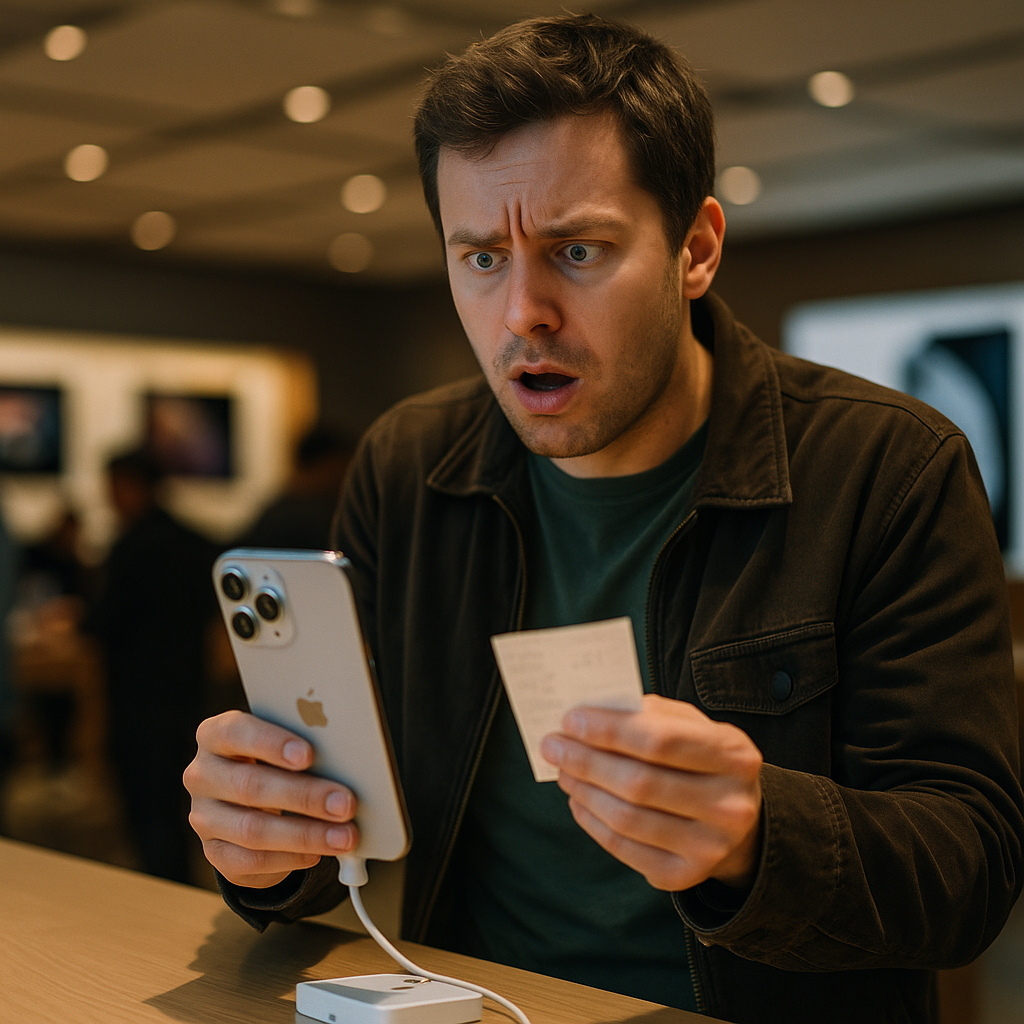
Hold onto your wallets, folks, because Apple has once again unleashed a pricing bombshell with the iPhone 15. Let's not sugarcoat it: the entry-level iPhone 15 starts at $799. That's a hefty chunk of change for just a 'starter' model. But dig a little deeper, and you'll find that these premium prices are tangled up in a web of factors that are as modern as they are infuriating.
Where Do We Draw The Line?
The world has been on a rollercoaster ride the past couple of years. Supply chain hiccups, chip shortages, and inflationary pressures have all played their part, like a bad opera where every actor is off-pitch. Seriously, take a look at the numbers: global inflation rates have surged to 4.9% in 2022, according to the World Bank. Apple isn't just raising prices willy-nilly; they're reacting to a global economic landscape that resembles a game of Jenga—not exactly stable.
The Costs That Keep on Giving
Let’s talk about manufacturing costs. Apple may be the king of sleek design, but even kings have to pay their bills. The A16 Bionic chip alone required a boost in production expenditures due to its advanced architecture. A report from Counterpoint Research highlights that silicon wafer prices have increased by 20% since 2021. Now, add the fancy new camera systems and enhanced display tech into the mix, and you've got a recipe for sky-high production costs.
But here's the kicker: the new iPhone is Apple's slickest model yet, equipped with features that would make a tech geek salivate. You might be asking, "Is it really worth it?" Consider this:
- Improved battery life with over 20 hours of video playback.
- An enhanced camera system that rivals DSLR quality.
- A robust build designed to last longer than its predecessors.
The features are undeniably compelling. Yet, are they enough to justify the price hike?
The Competitive Landscape
Apple's not the only player in town, yet they're treating the smartphone market like their personal playground. Samsung and Google aren't twiddling their thumbs; the Galaxy S23 is already snapping at the heels of the iPhone with prices starting at $749. Even Google's Pixel 7 is making waves at a competitive $599.
What baffles me is Apple's audacious defiance of current market trends. They're essentially banking on brand loyalty and their reputation for innovation. It's a bet on their decade-old strategy of creating a coveted, aspirational product that people are willing to pay extra for.
The Consumer Dilemma
So where does this leave the average consumer? Staring into the abyss of Apple’s pricing strategy, customers often feel like they're in an episode of "Black Mirror." What should have been a seamless upgrade journey now feels like navigating a minefield of financial decisions.
But perhaps that's the point. Maybe Apple wants to push the limits of what customers will tolerate, drawing a line between those who see the iPhone as a necessity and those who view it as a luxury.
Final Thoughts: A Double-Edged Sword
Is the iPhone 15 a technological marvel worth its weight in gold, or is it merely an exercise in corporate greed? The answer isn't as straightforward as we'd like. Apple is banking on the notion that their innovations are enough to justify the price tags, while competitors offer similar features for less.
The world keeps spinning, and these gadgets just keep getting fancier and pricier. The real question isn't whether Apple can justify the cost, but whether consumers are willing to pay the price of admission to the ultimate tech showdown.
Comments
Post a Comment