
The Radio Revolution
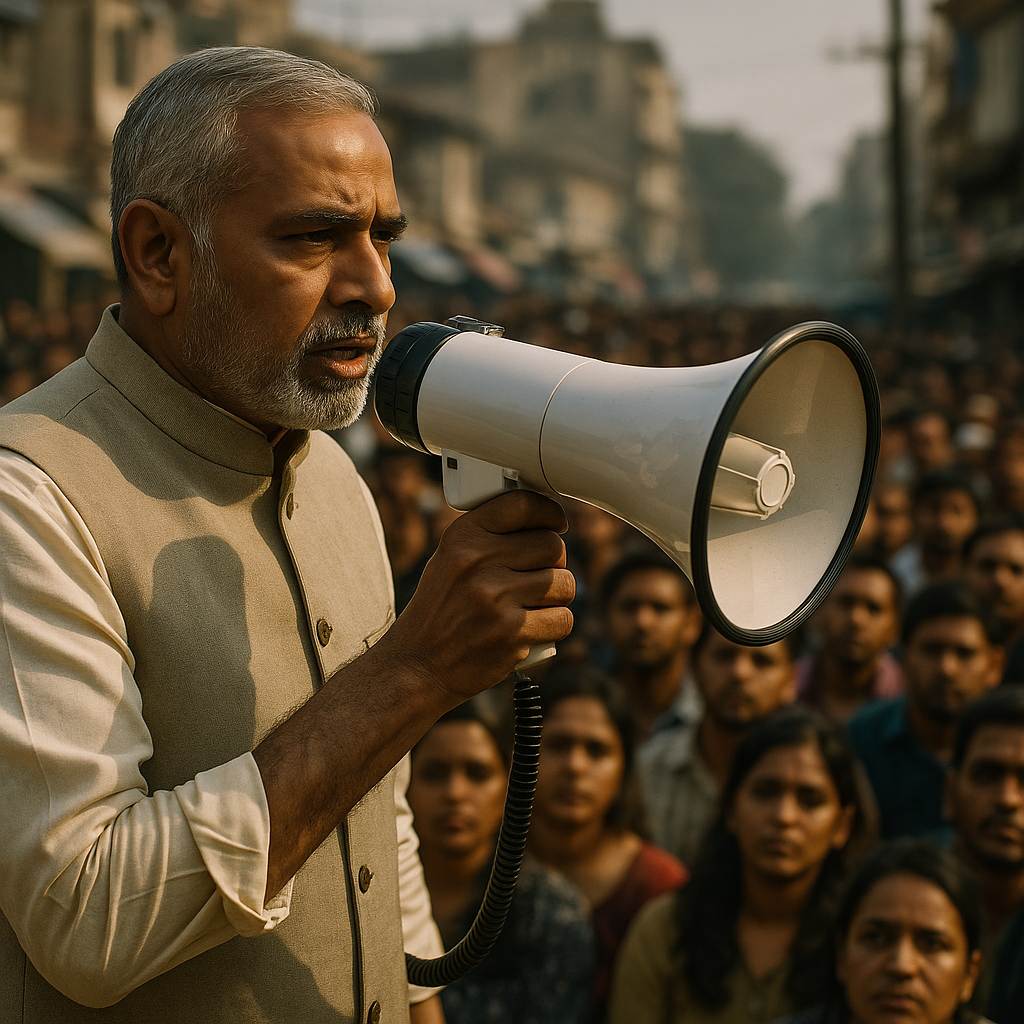
Who would have thought that a medium as retro as radio would become a political powerhouse in the 21st century? In an era where TikTok influencers sway teens and breaking news pops up as Twitter notifications, Prime Minister Narendra Modi's Mann Ki Baat leverages the ancient airwaves to reach over 1.3 billion ears. It's a fascinating, albeit controversial, approach to governance in a digital world that’s increasingly tuned out of traditional broadcasts.
Why Radio?
Let's face it. In 2023, the average millennial wouldn’t be caught dead fiddling with a radio dial. But Modi’s Mann Ki Baat is not just about capturing attention—it’s about capturing sentiment. The show, which first aired on October 3, 2014, has become a monthly ritual, with its 100th episode airing in April 2023. 100 episodes is no small feat, especially for something that doesn't feature the latest viral sensation or celebrity gossip.
So why radio? Here's the kicker: India boasts over 220 million FM radio listeners—one of the largest audiences in the world. This makes it an attractive platform for Modi, allowing him to speak directly without the filter of news headlines or analysis.
The Numbers Game
- As of 2023, Mann Ki Baat reaches an average of 99% of India’s pin codes.
- In May 2022, a Nielsen survey indicated that roughly 66% of listeners found the program inspirational.
- The government spends over ₹5 crore annually on its broadcast and marketing.
Such statistics scream success, yet they raise questions. Are these numbers indicative of genuine public engagement or merely reflective of political propaganda? The program's critics often dismiss it as a monthly monologue rather than an interactive dialogue.
Political Soapbox or Genuine Outreach?
The debate rages on: Is Mann Ki Baat a megaphone for outreach or a stage for political theater? While some hail it as a novel way of communicating directly with the masses, others criticize it for functioning as a one-way street. Modi talks. People listen. End of story.
Yet, the issues discussed are often timely and relevant, ranging from rural development to social welfare initiatives. During the height of the COVID-19 pandemic, episodes dedicated to the frontline workers and vaccination drives were a much-needed source of morale-boosting in dire times. But then again, is talking about these issues enough?
The Modern Context
In the last two years, the landscape has changed dramatically. Social media now occupies a major chunk of public discourse, demanding a shift in how leaders communicate. Mann Ki Baat holds its ground as a unique platform, even as the world tilts towards digital-first strategies.
The program's existence in the modern context serves as a reminder of radio's enduring power. **It’s a relic that refuses to fade**. While it may not hold the same allure for the younger generation, its reach is undeniable among the rural and elderly populace, who often lack access to high-speed internet.
And yet, the big question looms large: Is Mann Ki Baat enough? Can it evolve to include interactive elements or even feedback mechanisms? Or will it continue to be a monologue in a world clamoring for dialogue?


0 Comments