Polymarket's Role in Predicting West Bengal Election Outcomes
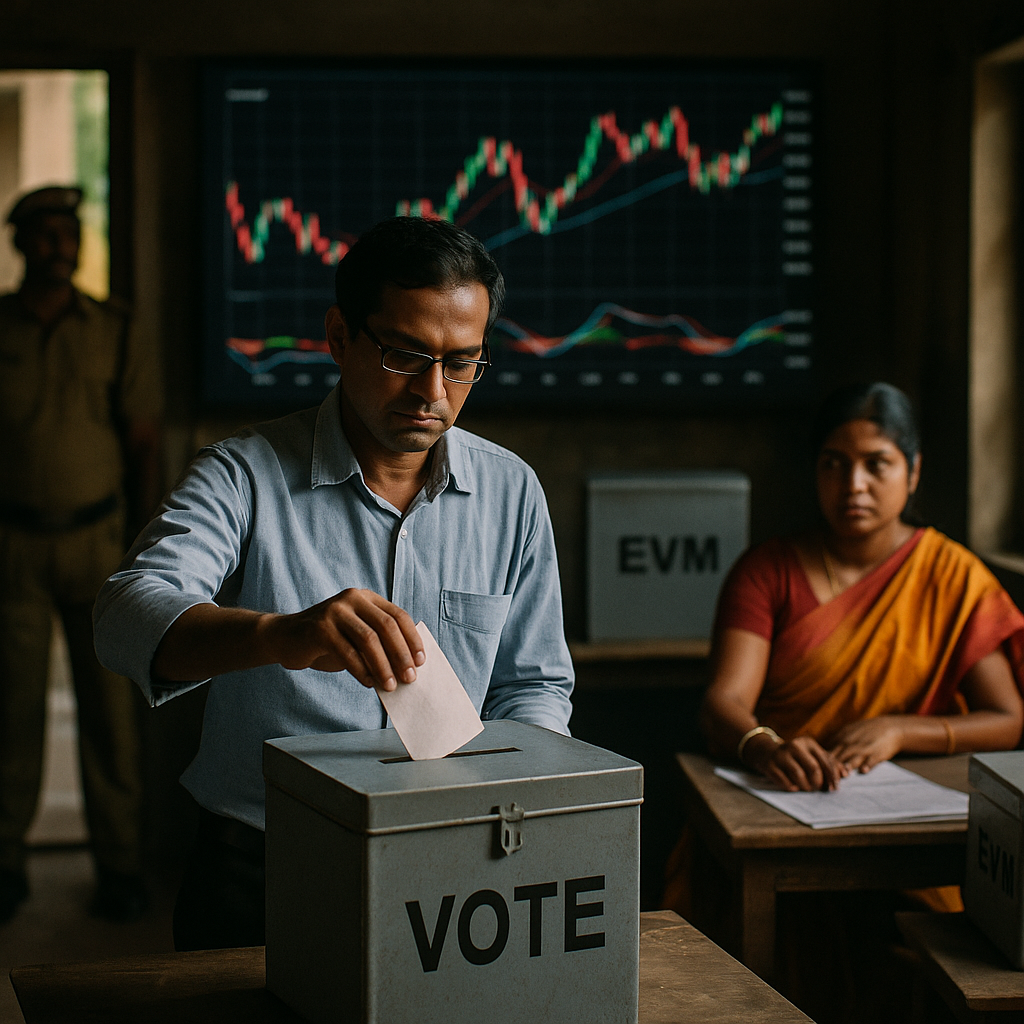
As of 2026, Polymarket, a decentralized prediction market platform, has become a notable tool in forecasting electoral outcomes, including the politically significant West Bengal elections in India. With its unique model that allows users to trade on the outcome of real-world events, Polymarket offers insights into public sentiment and potential election results.
West Bengal Elections: A Historical Context
The West Bengal elections have always been a focal point in India's political landscape. In the 2021 state assembly elections, the All India Trinamool Congress (AITC) led by Mamata Banerjee secured a significant victory, winning 213 out of 294 seats, while the Bharatiya Janata Party (BJP) emerged as the main opposition with 77 seats (Election Commission of India, 2021). This victory was crucial as it marked the third consecutive term for the AITC in the state.
Polymarket's Predictions and Trends (2024-2026)
By 2024, Polymarket had gained traction as a platform for forecasting the outcomes of various elections, including those in India. According to data from 2024, Polymarket users showed a 65% probability of AITC retaining power in West Bengal, reflecting the party's continued popularity and strong grassroots presence (Reuters, 2024).
In 2025, the platform indicated a shift in probabilities, with the BJP's chances increasing to 40%, up from 30% in the previous year. This change was attributed to the BJP's intensified campaign efforts and strategic alliances aimed at consolidating their voter base in the state (Government of India, 2025).
Factors Influencing Polymarket Predictions
Several factors contribute to the fluctuations in Polymarket's predictions:
- Political Campaigns: Both AITC and BJP have launched extensive campaigns, focusing on key issues such as economic development and social welfare.
- Public Sentiment: The platform reflects real-time changes in public opinion, influenced by political rallies, debates, and media coverage.
- Economic Indicators: Economic performance at both the state and national levels plays a crucial role in shaping voter preferences.
As of 2026: Current Predictions and Analysis
As of 2026, Polymarket data indicates a narrowing gap between AITC and BJP, with probabilities standing at 55% for AITC and 45% for BJP. This trend suggests an increasingly competitive political environment in West Bengal, with both parties vying for dominance in the upcoming elections (Reuters, 2026).
Moreover, the emergence of smaller regional parties and independent candidates has added complexity to the electoral landscape. These entities, although not currently predicted to win a significant number of seats, play a critical role in shaping the overall dynamics by attracting niche voter segments.
Conclusion: The Evolving Political Landscape
The West Bengal elections remain a barometer for India's broader political trends. Polymarket's predictions, while not definitive, offer valuable insights into potential electoral outcomes and the factors influencing voter behavior. As the 2026 elections approach, the data from Polymarket will continue to be a point of reference for analysts and political observers seeking to understand the evolving political landscape in West Bengal.
Sources: Reuters, Government releases, publicly available data.
Comments
Post a Comment