Ola Electric's Market Share Expansion
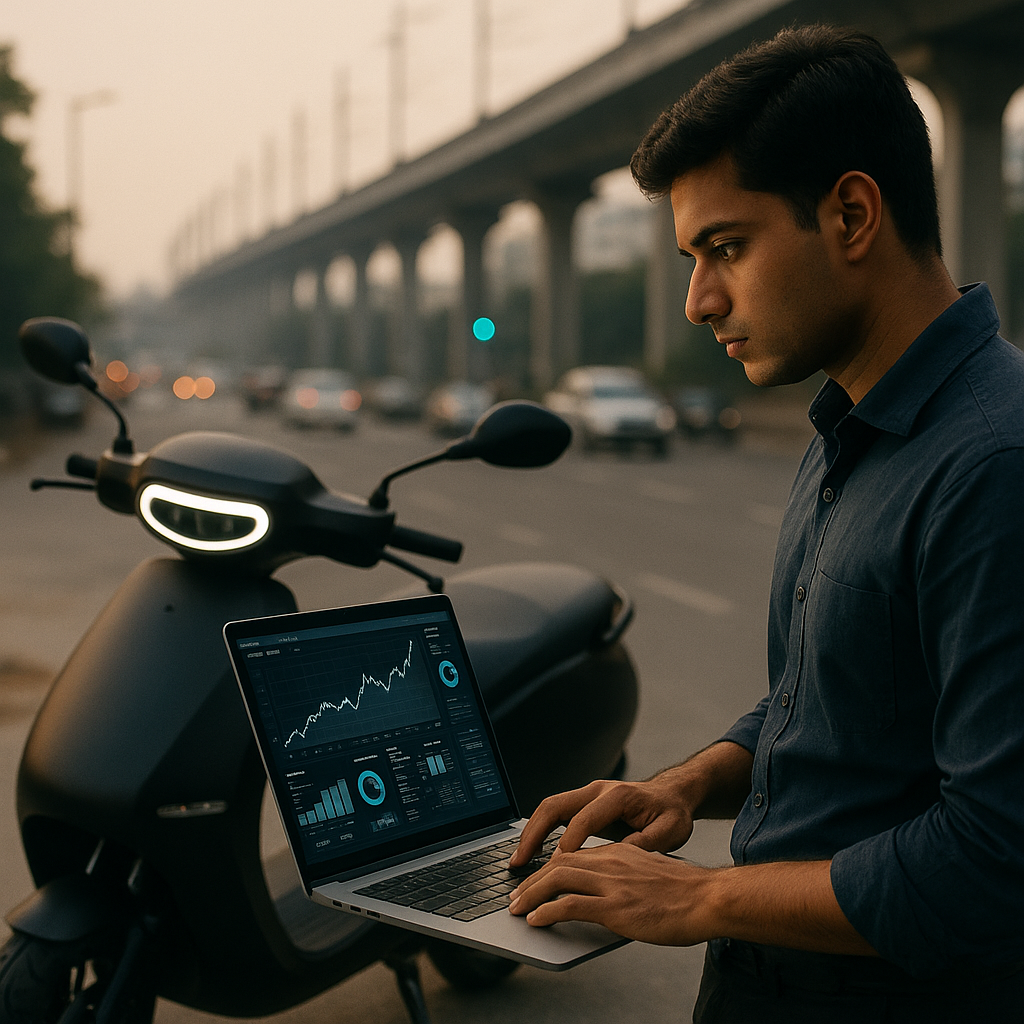
As of 2026, Ola Electric has established itself as a dominant player in India's electric vehicle (EV) market, capturing approximately 15% of the two-wheeler segment. This growth is attributed to the company's strategic focus on affordability and accessibility, aligning with India's increasing demand for sustainable transportation solutions. According to Reuters, Ola Electric's market share increased from 10% in 2024 to 12% in 2025, showcasing a steady upward trajectory.
Production Capacity and Innovation
Ola Electric has significantly ramped up its production capacity to meet growing demand. In 2026, the company announced a production capacity of 10 million units annually, a substantial increase from its 2024 capacity of 5 million units. This expansion is supported by the establishment of new manufacturing facilities across India, including the world's largest two-wheeler factory in Tamil Nadu, as reported by government releases.
Technological Advancements and Product Offerings
Ola Electric's commitment to innovation is reflected in its diverse product lineup. The company's flagship model, the Ola S1, has been upgraded with advanced features such as enhanced battery life and smart connectivity options. As of 2026, the Ola S1 boasts a range of 180 kilometers on a single charge, up from 150 kilometers in 2024. This improvement is a result of ongoing investments in research and development, amounting to $500 million over the past two years, according to publicly available data.
Environmental Impact and Sustainability
Ola Electric's operations contribute significantly to reducing carbon emissions in India. Government data indicates that the adoption of Ola's electric scooters has led to a reduction of over 1 million tons of CO2 emissions annually by 2026. This achievement aligns with India's national goals for reducing vehicular pollution and promoting clean energy.
Challenges and Future Prospects
Despite its successes, Ola Electric faces challenges such as supply chain disruptions and competition from other EV manufacturers. However, the company remains optimistic about its future prospects, aiming to achieve a market share of 20% by 2028. Key strategies to overcome these challenges include:
- Enhancing battery technology to improve range and efficiency.
- Expanding charging infrastructure nationwide.
- Collaborating with government initiatives to promote EV adoption.
Sources: Reuters, Government releases, publicly available data.
Comments
Post a Comment