Kerala Lottery: A Game of Luck or State-Sanctioned Dream Factory?
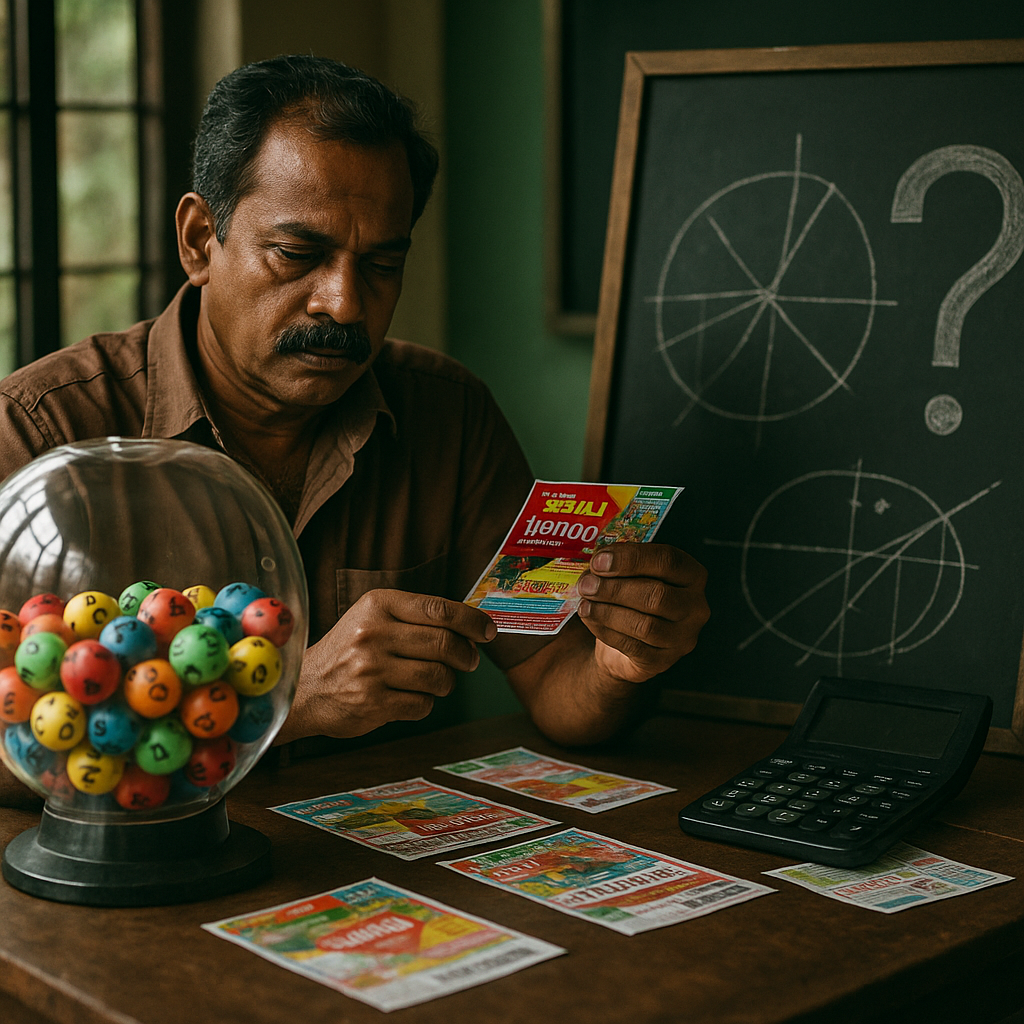
The Kerala lottery is either a beacon of hope or a societal crutch, depending on who you ask. Established way back in 1967, the Kerala State Lottery is a government-run initiative that has become more than just a source of revenue; it's a cultural phenomenon. But let's face it, calling it merely a 'game of luck' might be selling it short.
The Numbers Don't Lie: An Economic Juggernaut
From a modest beginning, the Kerala lottery has grown into an economic juggernaut. As of 2022, the annual turnover was a staggering ₹8,000 crore. Think about it—this is not just petty cash; it is a vital part of the state's revenue model. It's fascinating how something as random as paper tickets can contribute to a state's financial health so significantly.
And then there's the prize pool. In August 2023, the biggest jackpot prize reached ₹10 crore! Can you imagine the life-changing impact of such a windfall?
The Moral Dilemma: Hope or Addiction?
There's no denying that for many, the lottery represents a glimmer of hope. It's an affordable ticket to a dream for people who might otherwise never have a shot at prosperity. But we must ask—at what cost? A 2021 report indicated that over 70% of players come from low-income backgrounds, raising ethical questions about whether the lottery exploits the most financially vulnerable.
Let's talk turkey:
- The average spending on lotteries per household in Kerala is ₹4,500 annually.
- More than 30 million tickets are sold every week.
- Approximately 3 million people rely on lottery sales for their livelihoods.
Modern Context: Technological Influence and Irregularities
With the advent of technology, the way people interact with lotteries has evolved. One can now easily check results online, with the official Kerala Lottery website receiving over a million hits on draw days. This digital shift provides transparency but also creates avenues for malpractices like forgery and fraud.
A controversial audit in 2022 uncovered discrepancies in the distribution channels, raising questions about whether the lottery is as clean as it purports to be. For instance, a loophole allowed certain retailers to withhold winning numbers, a deceitful act that wasn't just criminal but downright shameful.
Should We Rethink the Kerala Lottery Model?
Here's the kicker: While the lottery provides employment and fulfills the state's coffers, it also invites ethical scrutiny. Are we enabling financial literacy, or are we selling pipe dreams? The line between hope and delusion blurs when you're hanging your livelihood on a ticket with astronomical odds of winning.
The Kerala lottery system is a wild card—a fascinating blend of chance, economics, and ethics. It walks a tightrope between being a boon and a bane. But isn't that life itself, a roll of the dice?
Comments
Post a Comment