Introduction to the Delhi-Dehradun Expressway
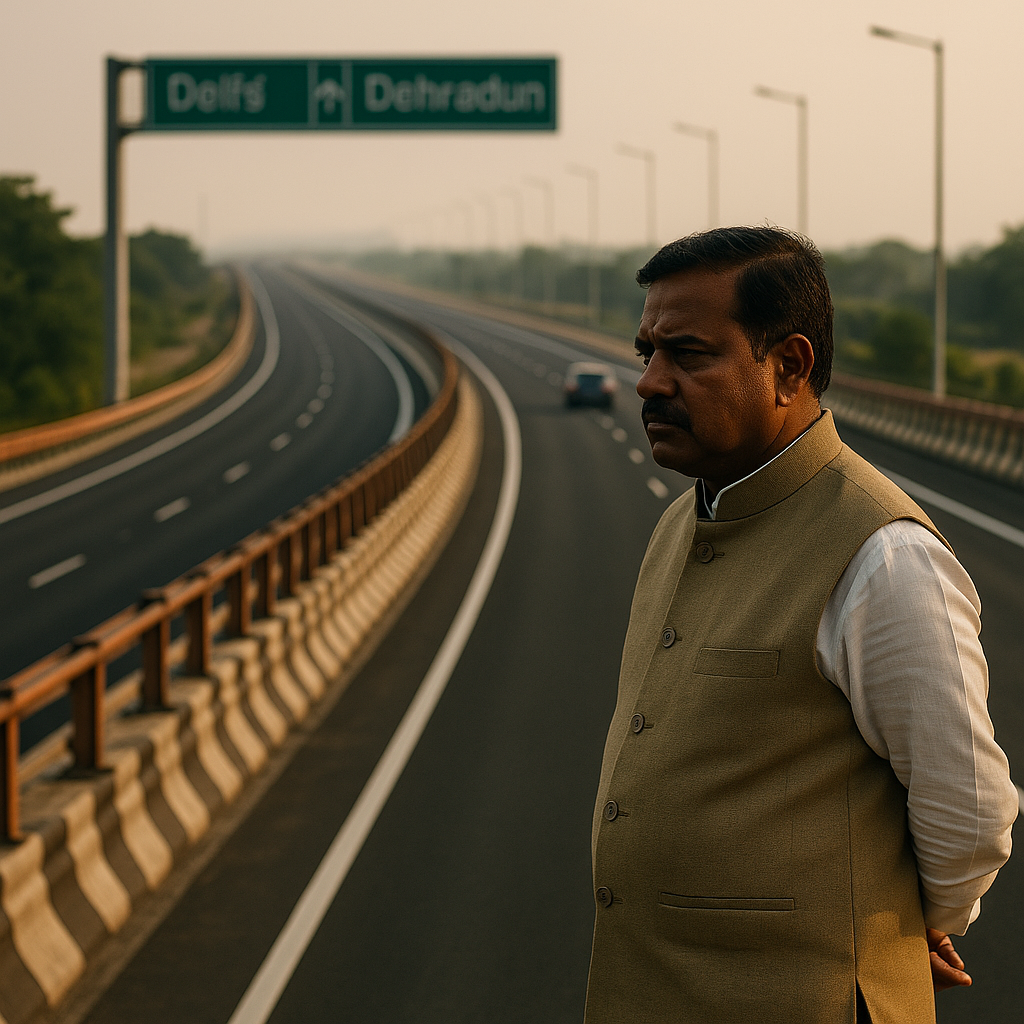
The Delhi-Dehradun Expressway, a critical infrastructure project in India, is set to revolutionize travel between the national capital and the capital of Uttarakhand. As of 2026, the expressway is expected to reduce travel time from approximately 6 hours to just 2.5 hours, marking a significant improvement in connectivity. This project is part of the broader Bharatmala Pariyojana, an ambitious initiative aimed at enhancing road networks across the country.
Project Overview
Spanning a total length of 210 kilometers, the Delhi-Dehradun Expressway is designed to be a six-lane expressway, with provisions for future expansion to eight lanes. The expressway will also feature advanced traffic management systems, including intelligent transportation systems (ITS) to ensure smooth and efficient travel. The project is divided into four phases, with the first phase covering the stretch from Delhi to Eastern Peripheral Expressway.
Key Features and Benefits
- Reduced Travel Time: As of 2026, the expressway is projected to cut travel time by more than half, facilitating economic activities and tourism between Delhi and Dehradun.
- Environmental Considerations: The expressway includes eco-friendly measures such as wildlife crossings and green corridors to minimize environmental impact.
- Enhanced Safety: Equipped with state-of-the-art safety features, the expressway aims to reduce road accidents significantly.
- Economic Impact: The expressway is expected to boost regional development and tourism, contributing to the local economy.
Construction Timeline and Progress
According to government sources, the construction of the Delhi-Dehradun Expressway began in 2021 and is scheduled for completion by 2026. As of 2024, approximately 60% of the construction work has been completed. The project has faced challenges such as land acquisition and environmental clearances, but these have been largely addressed, ensuring timely progress.
Investment and Funding
The Delhi-Dehradun Expressway is a significant investment, with an estimated cost of INR 12,000 crore (approximately USD 1.5 billion). Funding is sourced from both government allocations and private investments, reflecting a collaborative approach to infrastructure development. As of 2025, the government has released INR 8,000 crore for the project, ensuring continuous progress.
Impact on Local Communities
The expressway is expected to have a profound impact on local communities, particularly in terms of economic development and employment opportunities. As per a report by the Ministry of Road Transport and Highways, the project is anticipated to create approximately 10,000 direct and indirect jobs during the construction phase. Furthermore, improved connectivity will enhance access to markets, healthcare, and education, benefiting the residents along the expressway corridor.
Challenges and Solutions
While the Delhi-Dehradun Expressway offers numerous benefits, it also presents certain challenges. Environmental concerns, particularly the impact on local wildlife, have been addressed through the incorporation of wildlife corridors and eco-friendly construction practices. Additionally, the issue of land acquisition has been mitigated by engaging local stakeholders and ensuring fair compensation.
Sources: Reuters, Government releases, publicly available data.
Comments
Post a Comment