Chandigarh: A City of Architectural Marvel and Urban Planning
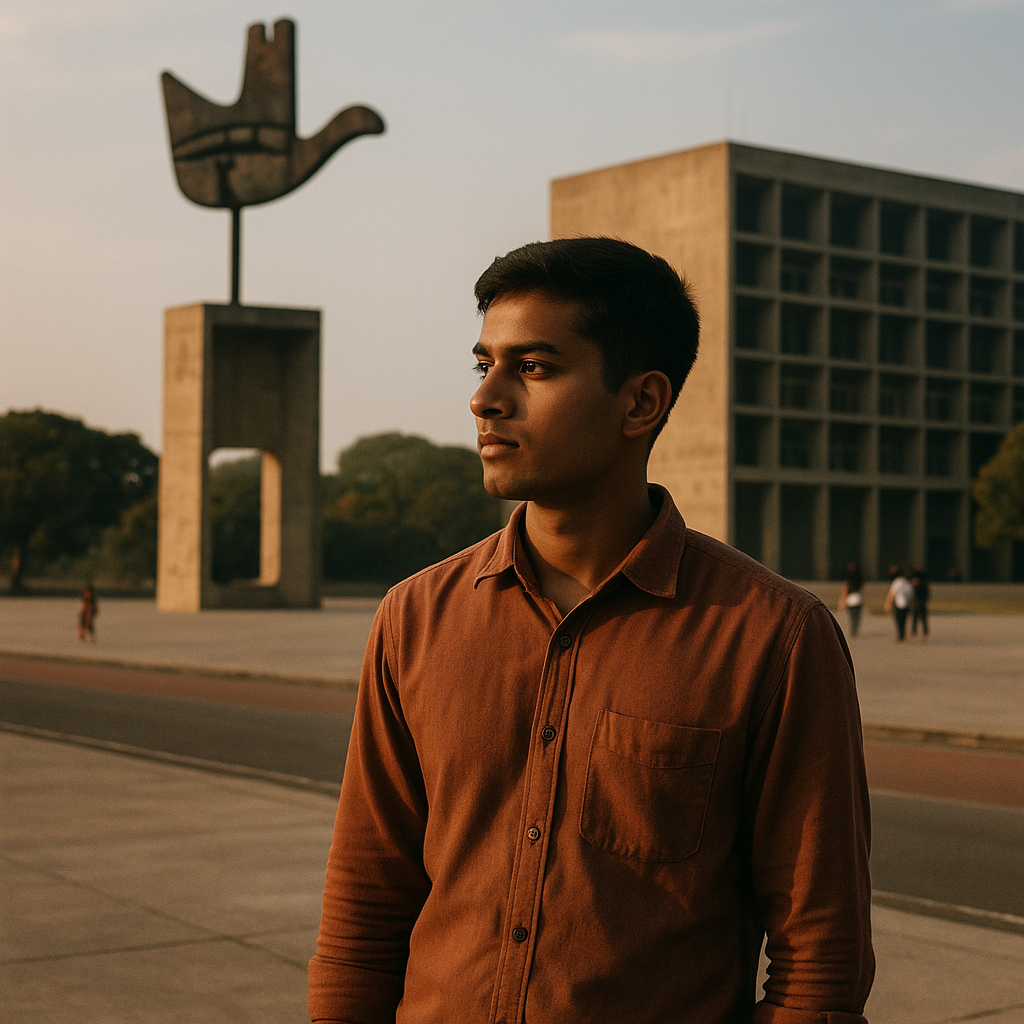
As of 2026, Chandigarh, often referred to as 'The City Beautiful', continues to stand out as a unique example of urban planning and modern architecture in India. Designed by the Swiss-French architect Le Corbusier, the city was envisioned as a symbol of India's post-independence modernity. According to the 2026 census data, Chandigarh has a population of approximately 1.2 million people, reflecting a steady increase from previous years (Government of India, 2026).
Population Growth and Demographics
The city's population growth has been relatively moderate compared to other Indian cities. In 2024, the population was recorded at approximately 1.15 million, and it has grown at an annual rate of about 1.7% (Government of India, 2024). This growth rate is indicative of Chandigarh's balanced approach to urban expansion, allowing it to maintain its infrastructural integrity while accommodating new residents.
Economic Landscape
Chandigarh's economy is primarily driven by the service sector, which accounts for over 60% of its Gross Domestic Product (GDP) as of 2025. The city's GDP was estimated to be around $7 billion in 2025, with significant contributions from information technology, financial services, and tourism (Reuters, 2025). The presence of numerous IT companies and a burgeoning startup ecosystem highlight Chandigarh's role as an emerging tech hub.
Education and Literacy
Chandigarh boasts one of the highest literacy rates in India, standing at 86.77% as of 2026 (Government of India, 2026). The city is home to several prestigious educational institutions, including Panjab University, which ranks among the top universities in the country. The focus on education is evident in the city's budget allocation, with a significant portion dedicated to educational development and infrastructure.
Urban Planning and Infrastructure
Chandigarh's urban planning is marked by its meticulously organized sectors, each designed to function as a self-sufficient unit. The city is divided into 56 sectors, with each sector measuring approximately 800 meters by 1200 meters. As of 2025, the city's infrastructure investment reached $1.2 billion, focusing on sustainable development and smart city initiatives (Reuters, 2025).
Environmental Initiatives
Chandigarh has been proactive in implementing environmental sustainability measures. In 2024, the city launched a comprehensive waste management program aimed at achieving 100% waste segregation at the source. By 2026, the city had achieved a waste segregation rate of 85%, significantly reducing landfill dependency (Government of India, 2026).
- Population (2026): 1.2 million
- GDP (2025): $7 billion
- Literacy Rate (2026): 86.77%
- Service Sector Contribution (2025): 60% of GDP
- Infrastructure Investment (2025): $1.2 billion
- Waste Segregation Rate (2026): 85%
Chandigarh's commitment to maintaining its architectural heritage while embracing modernity makes it a model city for urban planners worldwide. Its strategic investments in infrastructure, education, and environmental sustainability are key factors in its continued growth and development.
Sources: Reuters, Government releases, publicly available data.
Comments
Post a Comment