Chana Production Trends in Recent Years
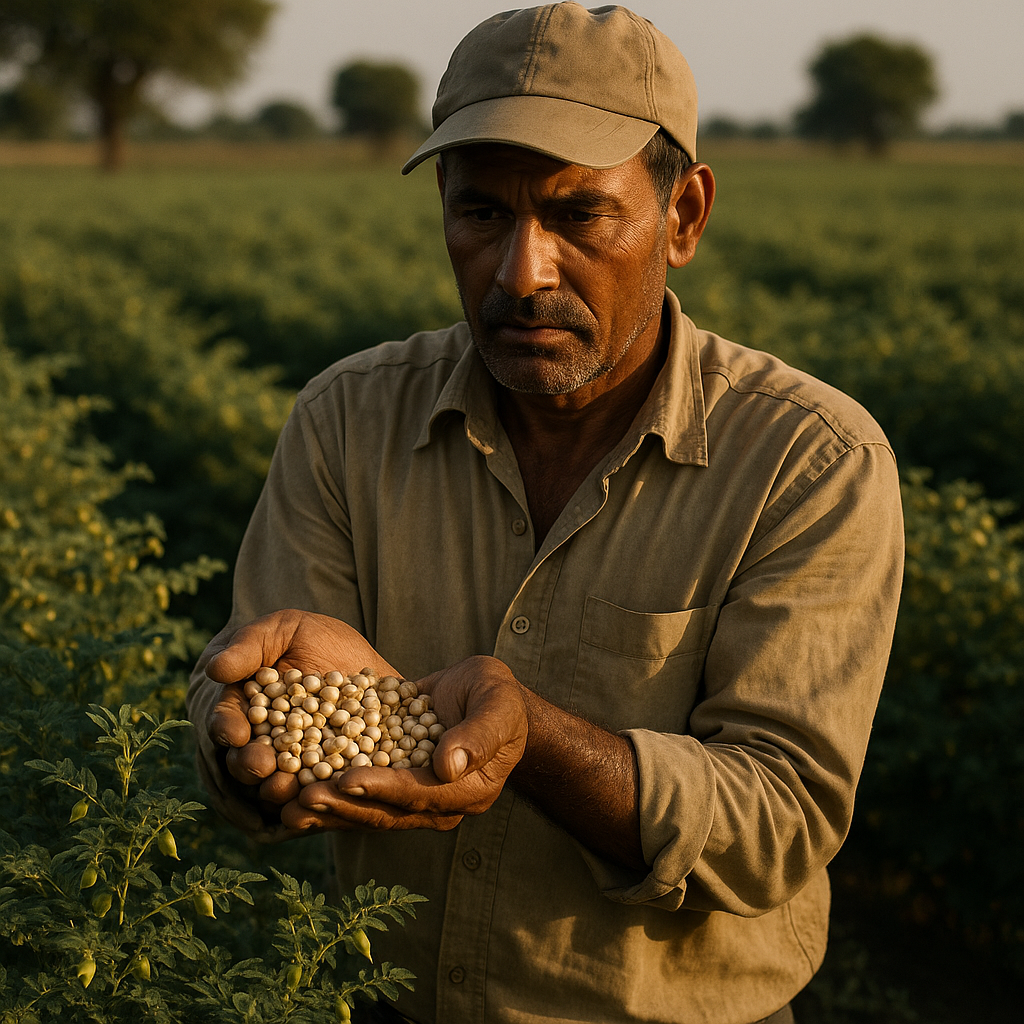
Chana, commonly known as chickpeas, has seen significant shifts in production patterns over recent years. As of 2026, India remains the world's largest producer of chana, contributing to approximately 70% of the global production. According to the Ministry of Agriculture & Farmers Welfare, India's production of chana was recorded at 11.4 million metric tons in 2024. This marked a slight increase from 11.1 million metric tons in 2023, reflecting a steady growth trend in the country's agricultural output.
Global Demand and Consumption
The global demand for chana has been rising, driven by its nutritional benefits and versatility in various cuisines. The Food and Agriculture Organization (FAO) reported that global consumption of chickpeas reached 14 million metric tons in 2025, up from 13.6 million metric tons in 2024. This increase is largely attributed to the growing popularity of plant-based diets and the recognition of chickpeas as a rich source of protein and fiber.
Economic Impact and Trade
Chana plays a crucial role in the agricultural economies of several countries. As of 2025, the export value of chickpeas from India was approximately $1.4 billion, according to data from the Indian Ministry of Commerce. This represents a 5% increase from the previous year, highlighting the crop's importance as a significant export commodity. Additionally, Australia, another major producer, exported chickpeas worth $700 million in 2025, as reported by the Australian Bureau of Agricultural and Resource Economics and Sciences (ABARES).
Challenges Facing Chana Production
Despite its economic significance, chana production faces several challenges. Climate change poses a threat to crop yields, with unpredictable weather patterns affecting harvests. In 2024, India experienced a 10% reduction in expected yields due to erratic monsoon rains, as per the Indian Meteorological Department. Moreover, pest infestations and diseases continue to impact production levels, necessitating increased investment in research and development for resistant crop varieties.
Technological Advancements and Innovations
To combat these challenges, agricultural innovations are being implemented. The introduction of drought-resistant chickpea varieties has been a significant advancement. As of 2026, the International Crops Research Institute for the Semi-Arid Tropics (ICRISAT) has developed several such varieties, which are now being cultivated in parts of India and Africa. These advancements aim to ensure stable production levels despite adverse climatic conditions.
Key Statistics on Chana
- India's chana production (2024): 11.4 million metric tons
- Global consumption (2025): 14 million metric tons
- India's export value (2025): $1.4 billion
- Australia's export value (2025): $700 million
- Reduction in Indian yield due to climate (2024): 10%
These statistics underscore the critical role chana plays in both national and global food systems. Its economic impact, coupled with ongoing challenges and innovations, highlights the need for continued focus on sustainable agricultural practices.
Sources: Reuters, Government releases, publicly available data.
Comments
Post a Comment