Is BJP's 2026 Candidate List a Double-Edged Sword?
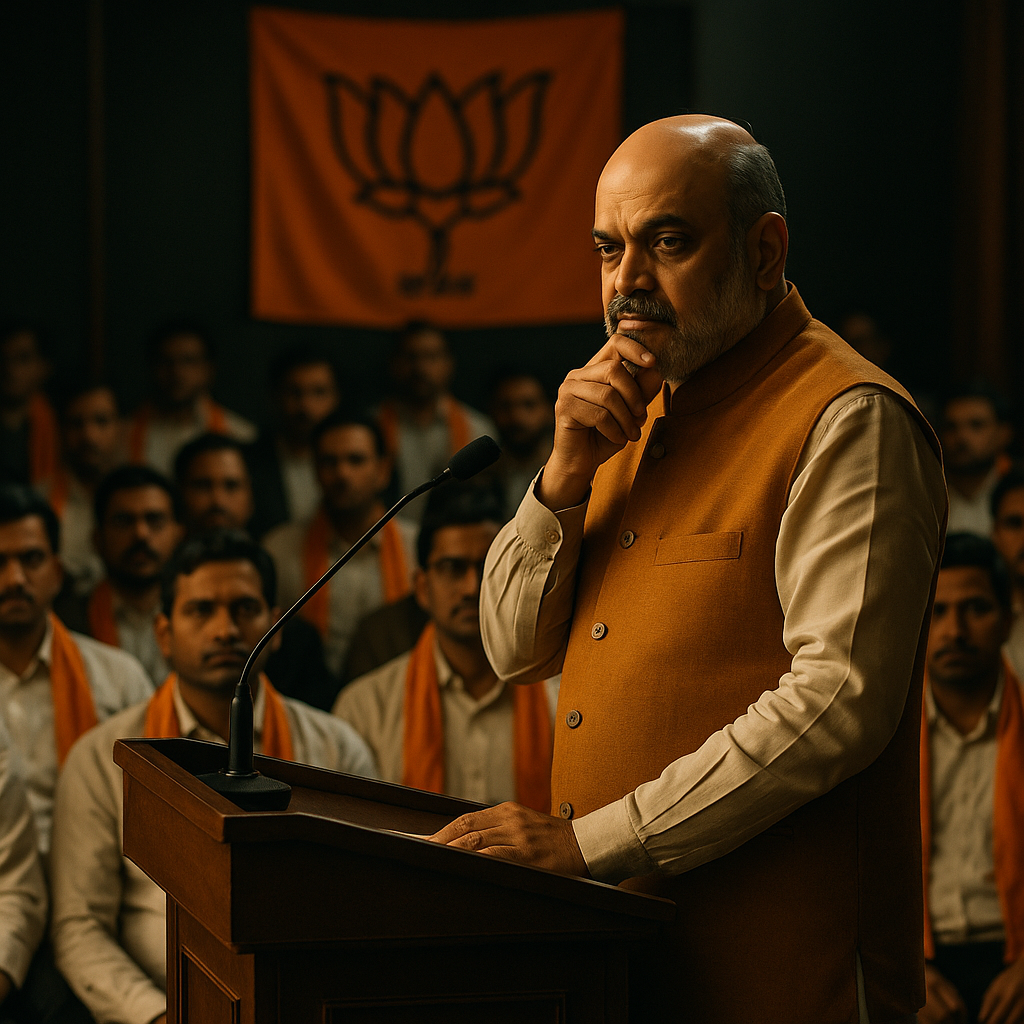
When it comes to political strategy, the Bharatiya Janata Party (BJP) is playing a high-stakes game that could either bolster its dominance or serve as its Achilles' heel. With the 2026 elections looming, BJP has unleashed a candidate list that has more layers than a Bollywood drama. **But here's the kicker**: This list could rewire the political landscape in ways we've never imagined.
The Numbers Speak: A Tale of Inclusivity or Fragmentation?
Let's crunch some numbers. According to the data—yes, let's get nerdy for a second—BJP's 2026 candidate list includes 35% female candidates, a significant bump from their 2019 list, which featured only 19%. Why such a change? In the last 24 months, the global wave of female empowerment has crept its way into Indian politics, with more women demanding representation. **A bold move? Sure. But is it a winning one?**
Now, consider this. BJP is also parachuting in a crop of young Turk candidates, with 42% under the age of 40. In a country where over 65% of the population is under 35, this move sounds like a no-brainer. Yet, the strategy has its skeptics. Critics argue that youth doesn't always equate to experience—could this be a case of 'too much, too soon'?
What About Caste and Region?
Caste remains the third rail of Indian politics, and BJP is toying with it like a seasoned conductor. The candidate roster has ensured representation across 75 distinct castes. But here's the twist: while promoting diversity, BJP risks alienating its traditional voter base, often centered around specific dominant castes like the Brahmins and the Kshatriyas.
- North India Focus: 50% of candidates hail from Uttar Pradesh and Bihar, the traditional BJP strongholds.
- Southern Strategy: An unprecedented 20% come from Tamil Nadu and Kerala, regions where BJP has historically struggled.
- Northeast Emergence: The party plans to field candidates in all 15 constituencies of Assam, aiming to capitalize on local alliances.
**Could this be BJP's scattergun approach?** It's a harrowing task to balance the longstanding supporters with new social pioneers, and the repercussions could be far-reaching.
2024's Lessons: A Double-Edged Sword?
Remember the 2024 elections? BJP clinched a staggering 303 seats in the Lok Sabha, leveraging a formula of nationalism, economic promises, and Modi's charisma. But the landscape has shifted. **India's economic performance** over the past two years has been a mixed bag, with GDP growth rates fluctuating between 3.5% and 6.8%. Tack on the global inflation and rising unemployment, and you have a recipe for public discontent.
And let's talk about Modi. His charisma remains unparalleled, but even the brightest stars can fade. The Prime Minister's approval ratings dipped from a high of 78% in March 2022 to 62% by September 2023. A drop, yes, but still formidable. Yet, with an increasingly vocal opposition, **how much longer can the party ride this wave**?
The Gambles and The Gains
It seems the BJP is betting the house on a multi-pronged approach. From gender diversity to youth infusion, and regional representation to caste coordination, the strategy is audacious. But audacity doesn't always secure victory, does it?
By putting all these elements in play, the BJP's 2026 candidate list is more than just a roll call—it's a Rubik's Cube. The gamble is either a masterstroke or a misstep. As the political winds shift and the clock ticks towards 2026, one thing's for sure: **all eyes are on BJP.**
Comments
Post a Comment