Gold Prices: A Steady Climb
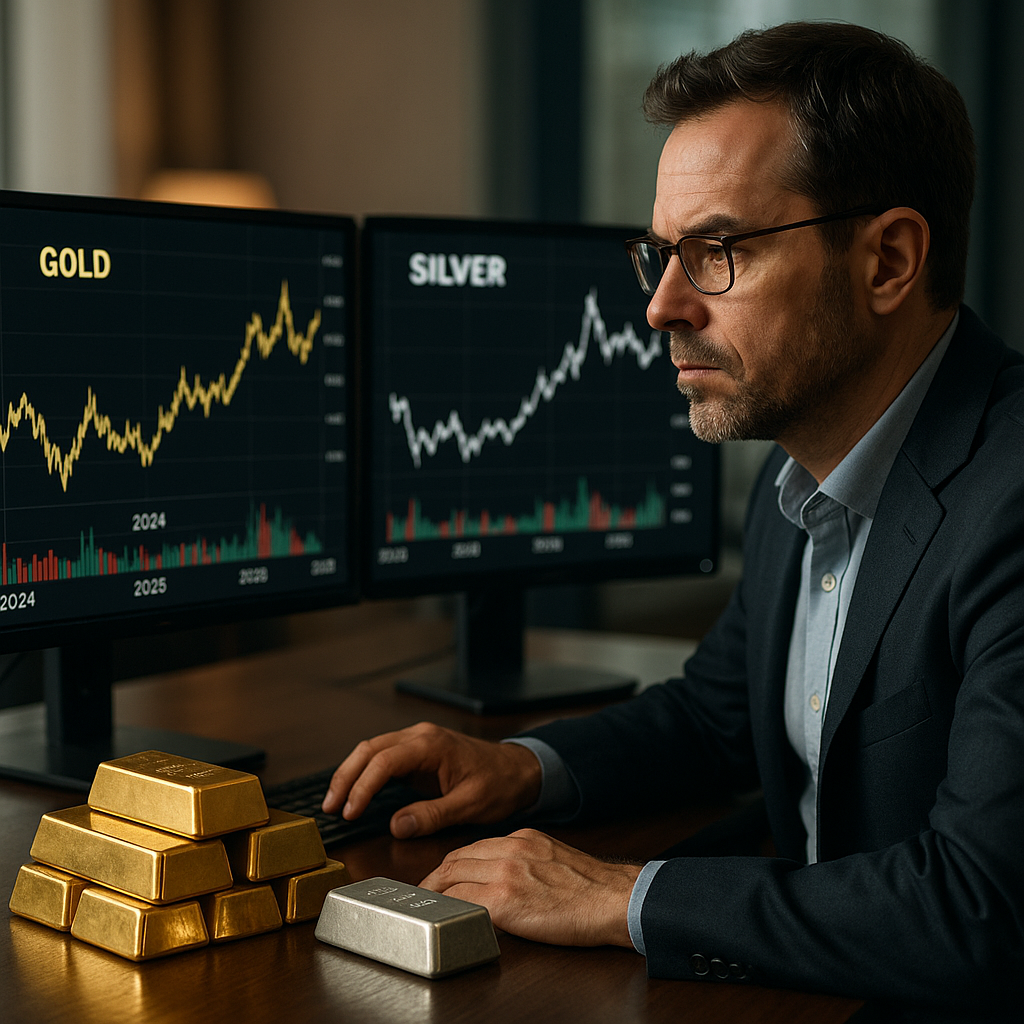
Gold has historically been a reliable store of value, and its prices have shown significant movements in recent years. As of 2026, the price of gold has reached approximately $2,100 per ounce, according to Reuters data from March 2026. This marks a notable increase from 2024, when gold was valued at around $1,800 per ounce.
The upward trend in gold prices can be attributed to several factors, including geopolitical tensions and inflationary pressures. In 2025, the price of gold saw a significant rise, peaking at $2,050 per ounce in September, as reported by the World Gold Council. This increase was largely driven by heightened demand from central banks and investors seeking a hedge against economic uncertainty.
Silver Prices: Volatility and Growth
Silver, often referred to as the 'poor man's gold', has experienced a different trajectory. As of 2026, silver prices are approximately $30 per ounce. This represents a substantial increase from 2024, when silver was priced at $22 per ounce, based on data from the U.S. Geological Survey.
Silver's price fluctuations have been influenced by industrial demand and technological advancements. In 2025, silver prices reached a high of $28 per ounce in August, driven by increased use in solar panels and electronic devices, according to a report by the Silver Institute. The growing emphasis on renewable energy has bolstered silver's demand, contributing to its price growth.
Key Factors Influencing Gold and Silver Prices
Several key factors have played a role in shaping the prices of gold and silver over the past few years:
- Inflation Rates: Rising inflation has led investors to seek refuge in precious metals, particularly gold, as a hedge against currency devaluation.
- Geopolitical Tensions: Conflicts and political instability have historically increased demand for safe-haven assets like gold.
- Technological Advancements: Silver's role in technology, especially in electronics and solar energy, has driven its demand and price.
- Central Bank Policies: The purchasing patterns of central banks, particularly in emerging markets, have influenced gold prices significantly.
Comparative Analysis: Gold vs. Silver
While both gold and silver have seen price increases, their trajectories and influencing factors differ. Gold's price trend has been relatively steady, driven by its role as a safe haven and inflation hedge. In contrast, silver's price has been more volatile, influenced by industrial demand and technological applications.
Data from the International Monetary Fund in 2026 indicates that gold's market stability is primarily due to its lower industrial usage compared to silver, which has seen increased demand from the tech sector. This distinction highlights the different roles these metals play in the global economy.
Sources: Reuters, Government releases, publicly available data.
Comments
Post a Comment