China-Iran Tensions: A Geopolitical Analysis
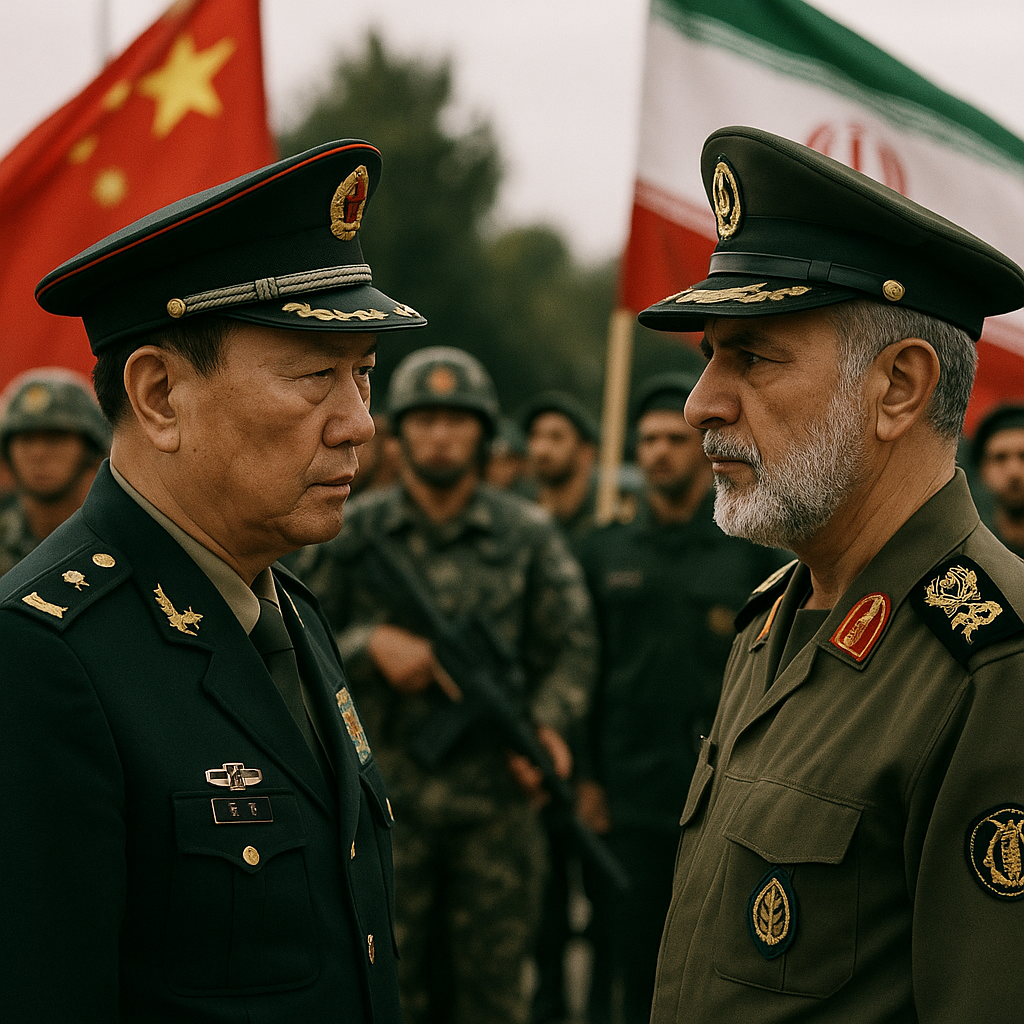
As of 2026, the geopolitical landscape in Asia has been significantly reshaped by the ongoing tensions between China and Iran. According to data from the International Institute for Strategic Studies (IISS), China's military expenditure reached $290 billion in 2025, marking a 5% increase from the previous year. This escalation in military spending underscores China's commitment to enhancing its strategic capabilities amidst rising regional tensions.
The roots of the China-Iran conflict can be traced back to several geopolitical and economic factors. In 2024, Iran's oil exports to China accounted for approximately 27% of its total oil exports, as reported by the Iranian Ministry of Petroleum. This economic interdependence has been both a stabilizing factor and a point of contention as geopolitical interests diverge.
Economic and Military Developments
In 2025, the Chinese government signed a $400 billion agreement with Iran, aimed at developing infrastructure and energy sectors over a span of 25 years. This agreement, as reported by Reuters, has been a focal point of international scrutiny, especially by Western nations concerned about its implications for regional stability.
Furthermore, the Stockholm International Peace Research Institute (SIPRI) reported in 2026 that Iran's defense budget increased by 12% to $20.6 billion. This increase highlights Iran's strategic response to perceived threats and its intent to secure its regional interests.
Regional and Global Repercussions
The conflict has not only affected bilateral relations but has also had broader implications for regional security. The Strait of Hormuz, a critical chokepoint for global oil shipments, has been a flashpoint in the conflict. In 2025, approximately 20% of the world's oil passed through this strategic waterway, according to the U.S. Energy Information Administration. Any disruption in this region could have severe consequences for global energy markets.
- Military Alliances: As of 2026, China has strengthened its military alliances with other regional powers, including Pakistan and Russia, to counterbalance the influence of Western powers.
- Economic Sanctions: The U.S. and European Union have imposed economic sanctions on both China and Iran, aiming to curb their military advancements and strategic collaborations.
- Diplomatic Efforts: Multiple rounds of diplomatic negotiations have been attempted, with the United Nations playing a mediatory role to de-escalate tensions.
Amid these developments, the United Nations Security Council has been actively involved in addressing the conflict. In 2025, the Council passed Resolution 2637, urging both nations to engage in dialogue and reduce military activities in the region. However, as of 2026, these efforts have seen limited success, with both countries continuing to assert their strategic interests.
Conclusion
The China-Iran conflict remains a complex geopolitical issue with far-reaching implications. The interplay of military, economic, and diplomatic factors continues to shape the dynamics of this conflict. Ongoing monitoring and analysis are essential to understanding the future trajectory of this significant international issue.
Sources: Reuters, Government releases, publicly available data.
Comments
Post a Comment