The Changing Landscape of उपचुनाव in India
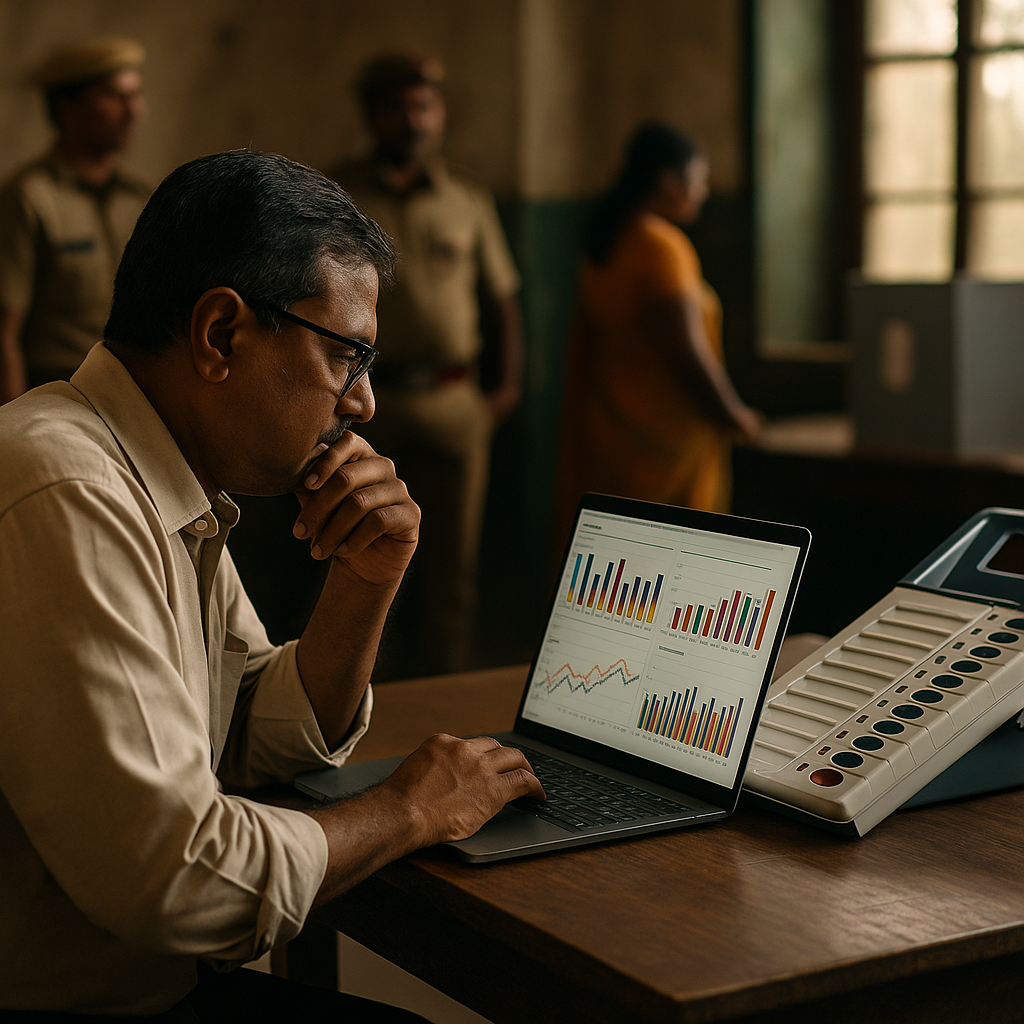
In recent years, उपचुनाव or by-elections have played a pivotal role in shaping the political landscape of India. These elections are conducted to fill vacancies in the legislature that occur between general elections due to various reasons such as death, resignation, or disqualification of a sitting member. As of 2026, the frequency and outcomes of उपचुनाव have become a significant indicator of political trends and voter sentiment across the country.
Frequency and Impact
According to data released by the Election Commission of India, between 2024 and 2026, there have been a total of 47 उपचुनाव conducted across different states in India. This number reflects a slight increase compared to the previous three-year period, which saw 42 by-elections. The increase in frequency can be attributed to several factors, including the volatile nature of political alliances and the health and age-related issues of sitting members.
Key Statistics:
- In 2024, 15 उपचुनाव were conducted across various states, with notable elections in Uttar Pradesh and Maharashtra.
- The year 2025 witnessed 18 by-elections, marking the highest number within the three-year span, with significant contests in West Bengal and Tamil Nadu.
- By 2026, 14 उपचुनाव had been held, with key elections in Karnataka and Bihar.
Voter Turnout and Participation
Voter turnout in उपचुनाव varies significantly from general elections. As per data from the Election Commission, the average voter turnout for by-elections between 2024 and 2026 was approximately 62%, compared to the 67% turnout observed during the 2024 general elections. This discrepancy highlights the challenges faced in engaging voters during mid-term electoral processes.
Interestingly, certain states have shown higher participation rates in by-elections. For instance, the उपचुनाव held in Kerala in 2025 saw a turnout of 72%, one of the highest in the country during this period. This suggests a strong local engagement and interest in the political process, possibly driven by regional issues and candidates.
Political Outcomes and Trends
The outcomes of उपचुनाव often serve as a barometer for political sentiment. Analysis of the results from 2024 to 2026 indicates a mixed trend, with some states witnessing a shift in power dynamics. In 2025, the by-elections in West Bengal resulted in significant gains for the opposition party, reflecting a shift in voter sentiment against the incumbent government. Conversely, in Uttar Pradesh, the ruling party managed to retain most of its seats, showcasing strong local support.
These results are crucial for political parties as they provide insights into voter preferences and can influence strategies for upcoming general elections. The ability to secure wins in by-elections is often seen as a test of a party's grassroots strength and organizational capabilities.
Challenges and Considerations
Conducting उपचुनाव poses unique challenges for the Election Commission and political parties alike. Logistical issues, voter apathy, and the timing of these elections often impact the overall process. The Election Commission has been proactive in addressing these challenges by implementing measures such as enhanced voter education campaigns and streamlined electoral procedures.
Furthermore, the role of technology and social media has become increasingly significant in recent years. As of 2026, digital platforms are being extensively used for campaigning and voter outreach, allowing parties to connect with a broader audience and tailor their messages more effectively.
In conclusion, the dynamics of उपचुनाव in India between 2024 and 2026 highlight the evolving nature of the country's political landscape. These elections not only fill legislative vacancies but also provide a crucial insight into the mood of the electorate, influencing the strategies and outcomes of future political contests.
Sources: Reuters, Government releases, publicly available data.
Comments
Post a Comment