Overview of the West Bengal Legislative Assembly
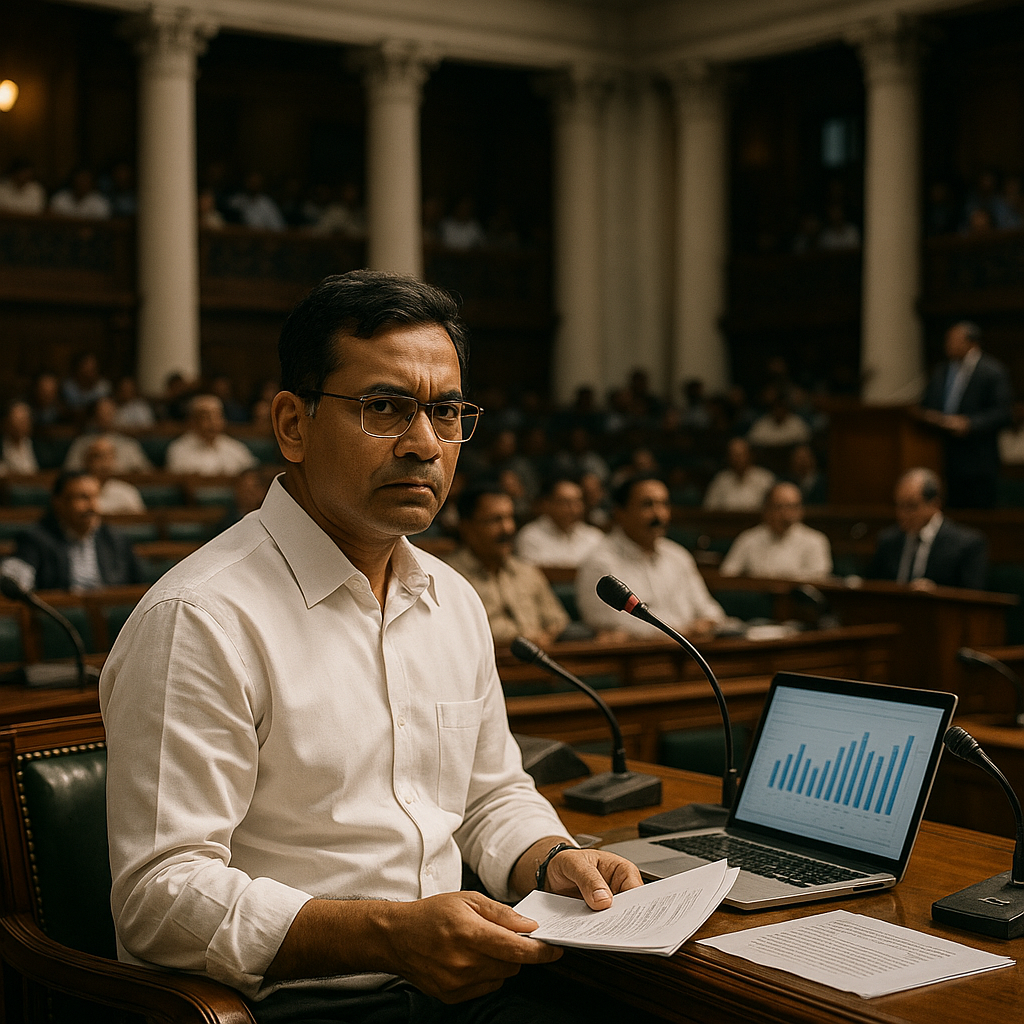
The West Bengal Legislative Assembly, known as पश्चिम बंगाल विधानसभा, is a crucial component of the state's governance structure. As of 2026, the assembly comprises 294 seats, making it one of the largest in India. The assembly plays a vital role in shaping the political landscape of West Bengal, which is home to over 90 million people according to the 2021 census data.
Election Results and Political Dynamics
In the 2024 elections, the All India Trinamool Congress (AITC) secured a majority with 213 seats, while the Bharatiya Janata Party (BJP) won 77 seats. The Communist Party of India (Marxist) and the Indian National Congress managed to secure a few seats, reflecting the diverse political preferences among the electorate. This result marked a continuation of AITC's dominance, which began in 2011 under the leadership of Mamata Banerjee.
Legislative Activities and Key Bills
Between 2024 and 2026, the assembly has passed several significant bills. Notably, the West Bengal Green Energy Development Bill, 2025, aimed at promoting renewable energy sources, was passed unanimously. This bill underscores the state's commitment to sustainable development, aligning with national objectives outlined in India's National Action Plan on Climate Change.
Socio-Economic Indicators
West Bengal's socio-economic landscape has evolved significantly, influenced by legislative decisions. As of 2026, the state's GDP growth rate stands at 7.1%, as reported by the Ministry of Statistics and Programme Implementation. This growth is attributed to robust agricultural production and industrial expansion, supported by government initiatives.
- Population Growth: The state's population has grown by 1.2% annually since 2024, according to the Registrar General & Census Commissioner, India.
- Employment Rates: Unemployment rates have decreased to 4.9% in 2026, a significant improvement from 6.3% in 2024.
- Literacy Rate: The literacy rate has reached 81.3% in 2026, up from 79.9% in 2024, as per the National Sample Survey Office.
- Healthcare Access: Approximately 78% of the population now has access to basic healthcare facilities, an increase from 72% in 2024.
Challenges and Future Prospects
Despite these advancements, West Bengal faces challenges such as infrastructure development and rural poverty. The state government has announced plans to invest ₹10,000 crores in infrastructure projects by 2026, aiming to improve connectivity and support economic growth. Additionally, initiatives to enhance rural livelihoods are being prioritized, with a focus on skill development and micro-enterprises.
Conclusion
The West Bengal Legislative Assembly continues to play a pivotal role in shaping the state's future. With ongoing efforts to address socio-economic challenges and promote sustainable development, the assembly's actions will significantly impact the lives of millions in West Bengal.
Sources: Reuters, Government releases, publicly available data.
Comments
Post a Comment