The Role and Impact of the Monetary Policy Committee
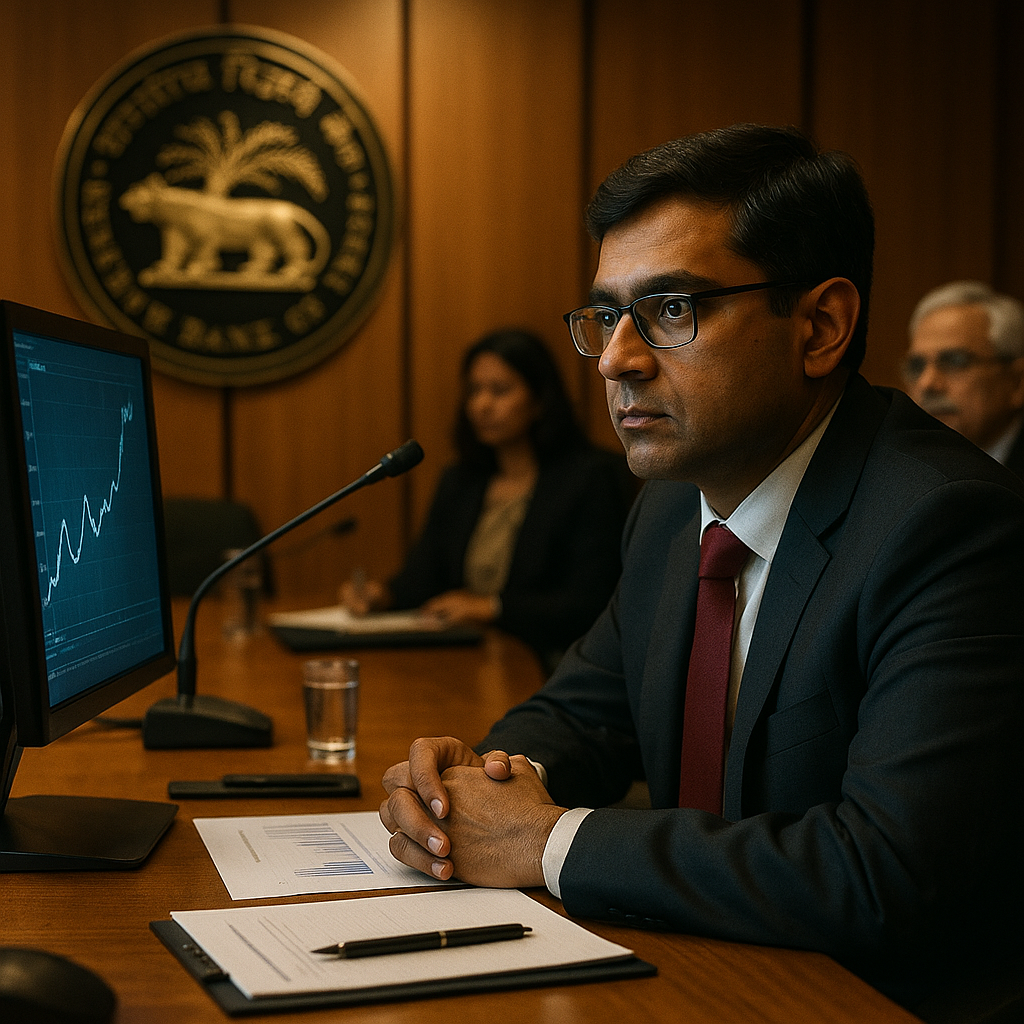
India's Monetary Policy Committee (MPC) plays a critical role in shaping the nation's economic landscape. Established in 2016, the MPC is tasked with setting the benchmark interest rates to control inflation and stabilize the currency. As of 2026, the committee continues to be pivotal in India's economic policy, influencing various macroeconomic factors.
Recent Decisions and Their Implications
In 2024, the MPC decided to keep the repo rate unchanged at 6.5%, a decision driven by the need to curb inflation, which had risen to 5.8% by the end of 2023 (Reuters). This decision was in line with the Reserve Bank of India's (RBI) target to maintain inflation within a 4% margin, with a permissible fluctuation of 2%. The stable repo rate was aimed at ensuring that borrowing costs remain predictable, supporting economic growth while keeping inflation in check.
Inflation Trends and Challenges
As of 2025, India witnessed a slight uptick in inflation, reaching 6.2%, mainly due to rising food prices and global energy costs (Government of India). The MPC responded by raising the repo rate to 6.75%, a move intended to temper inflationary pressures. This adjustment highlights the committee's proactive approach in addressing inflation, a key mandate of the MPC.
Interest Rates and Economic Growth
In early 2026, the MPC maintained a cautious stance, keeping the repo rate at 6.75%, as inflation showed signs of stabilization, recording at 5.9% (Reuters). This decision reflects the committee's dual focus on fostering economic growth and maintaining price stability. The MPC's actions are crucial for sectors like manufacturing and services, which rely heavily on credit availability and interest rates.
Key Responsibilities of the MPC
- Setting the benchmark interest rates to control inflation.
- Ensuring price stability within the economy.
- Supporting economic growth through monetary measures.
- Responding to global economic changes and domestic fiscal policies.
Future Outlook
Looking ahead, the MPC's decisions will likely continue to be influenced by both domestic and international economic conditions. The committee's ability to navigate these challenges will be crucial in ensuring India's economic resilience. As of 2026, the MPC is expected to closely monitor inflationary trends, global economic shifts, and fiscal policies to make informed decisions that align with India's economic objectives.
Sources: Reuters, Government releases, publicly available data.
Comments
Post a Comment