Introduction to Amrit Bharat
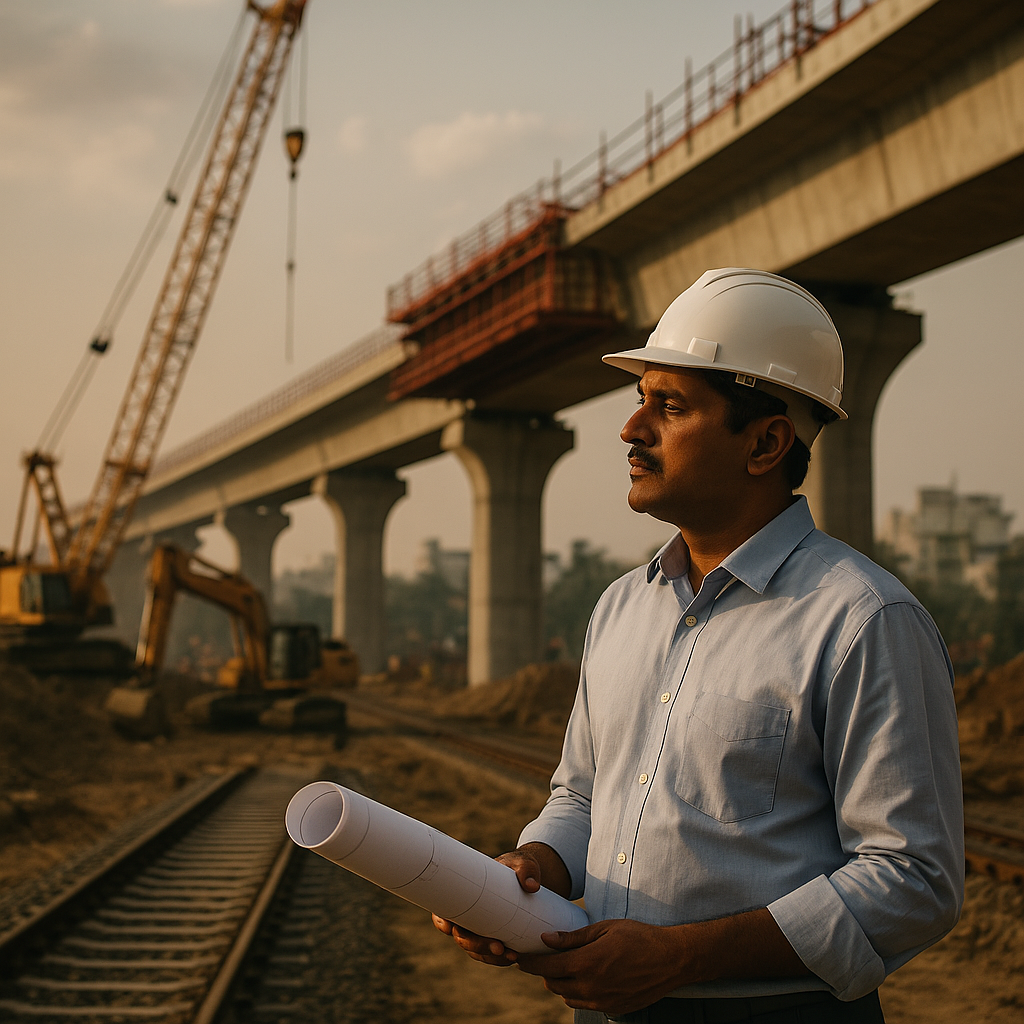
India's ambitious infrastructure project, Amrit Bharat, is set to revolutionize the country's transportation network, aiming to enhance connectivity and boost economic growth. As of 2026, the initiative has made significant strides in modernizing railway stations and improving passenger amenities across the nation.
Key Developments in Amrit Bharat
Launched in 2024, the Amrit Bharat initiative focuses on the redevelopment of 1,000 railway stations, with the goal of transforming them into world-class facilities. The project emphasizes sustainability, accessibility, and passenger comfort, aligning with the broader vision of India's infrastructural development.
Progress and Achievements
As of 2026, the initiative has successfully revamped over 400 railway stations, with several others in various stages of development. According to the Ministry of Railways, the project has resulted in a 20% increase in passenger satisfaction, attributed to improved facilities and services. The government has allocated approximately INR 10,000 crore for the project, underscoring its commitment to enhancing public infrastructure.
Economic Impact
The Amrit Bharat initiative is expected to contribute significantly to India's economy. By improving transportation hubs, the project facilitates smoother logistics and boosts trade. The Ministry of Finance projects a 15% increase in regional economic activity due to enhanced connectivity. Moreover, the initiative has created over 50,000 jobs in construction and ancillary sectors, providing a substantial boost to employment.
Environmental Considerations
Environmental sustainability is a core component of the Amrit Bharat project. The initiative incorporates green technologies, such as solar panels and rainwater harvesting systems, in station designs. As of 2026, over 200 stations have adopted these eco-friendly measures, contributing to a reduction in carbon footprint by approximately 10%. These efforts align with India's commitment to the Paris Agreement and its national sustainability goals.
Challenges and Future Prospects
Despite its achievements, the Amrit Bharat initiative faces challenges, including budget constraints and logistical hurdles. The government aims to overcome these obstacles by fostering public-private partnerships and leveraging technological innovations. Looking ahead, the initiative plans to integrate digital solutions, such as AI-based traffic management systems, to further enhance efficiency and passenger experience.
- Launch Year: 2024
- Stations Targeted: 1,000
- Stations Revamped by 2026: 400+
- Budget Allocation: INR 10,000 crore
- Job Creation: 50,000+
- Increase in Passenger Satisfaction: 20%
Sources: Reuters, Government releases, publicly available data.
Comments
Post a Comment