Air India’s Bold Move: Chaos or Genius?
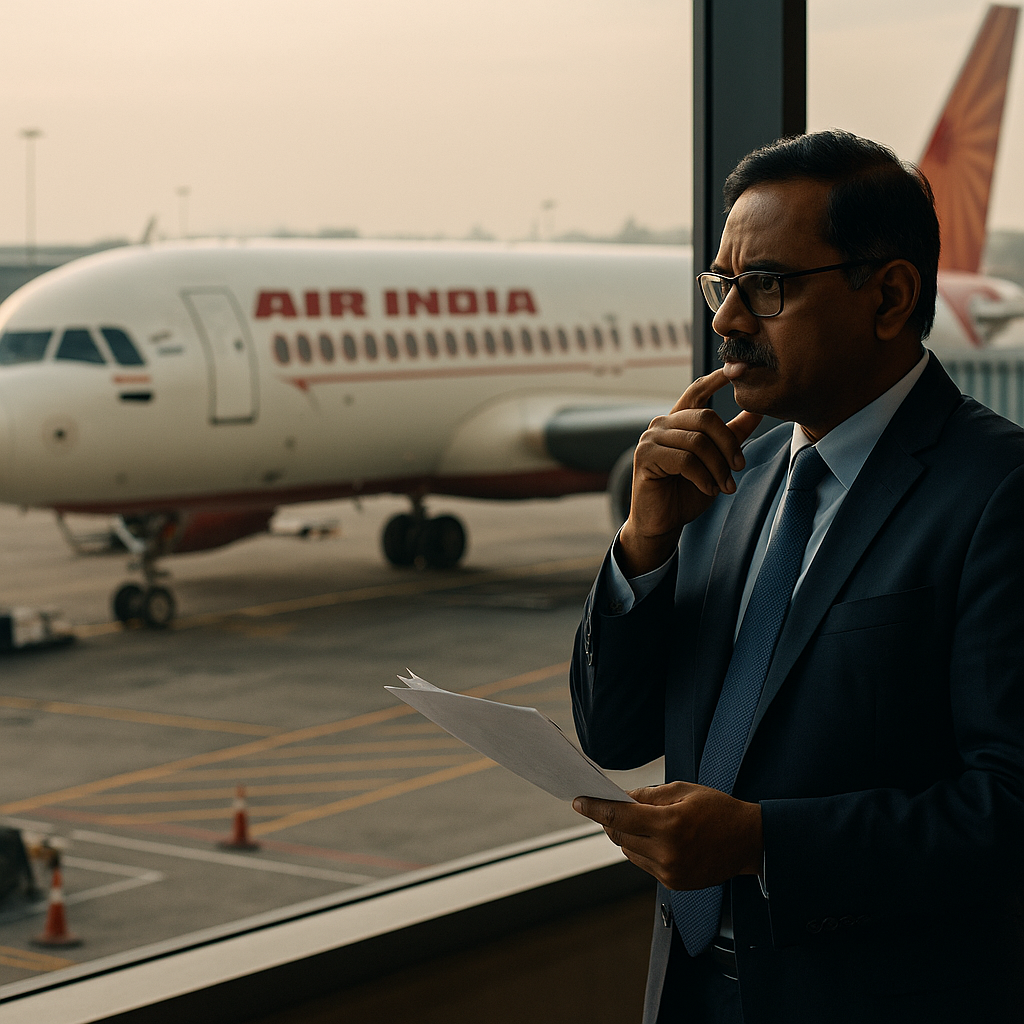
When Air India announced non-scheduled flights to the UAE you could practically hear a collective gasp across the aviation industry. Some hailed it as a strategic move, a way to cater to the incredible demand for seats between India and the UAE. Others saw it as a recipe for chaos, pointing fingers at the potential operational headaches. But as the dust settles, it's becoming crucial to examine whether this gamble is paying off.
The Numbers Don't Lie
Let’s talk numbers. In the last year alone, Air India has significantly ramped up its frequency of flights to the UAE. Between January 2022 and January 2023, they increased their non-scheduled flights by a whopping 25%. This isn't just a mere statistic; it's a statement of intent. What’s more, according to the Directorate General of Civil Aviation in India, over 1.5 million passengers traveled between India and the UAE in 2022.
In terms of revenue, Air India's UAE operations have seen a 15% increase in earnings compared to the previous year. These numbers don't lie, and they tell a story of growing demand and even larger opportunities. But is Air India equipped to handle this surge?
The Good, the Bad, and the Unpredictable
Here’s where things get juicy. With this increase in non-scheduled flights, Air India has faced its share of turbulence—literally and metaphorically. On one hand, there are undeniable benefits:
- Flexibility to cater to high-demand periods such as holidays or special occasions like the Dubai Expo.
- The ability to test new routes and timings without committing to a long-term schedule.
- Increased connectivity between two bustling regions, driving both tourism and commerce.
On the flip side, the unpredictability of non-scheduled flights can be a logistical nightmare. Imagine planning a trip based on a flight that could change its timing at the drop of a hat—would you risk it?
Moreover, staffing these flights during peak periods has often left Air India scrambling. Let’s not forget the environmental impact. More flights mean more fuel consumption, which leads to more emissions. In today’s climate-conscious world, that’s a concern that just can’t be ignored.
What This Means for the Aviation Industry
The decision by Air India to increase non-scheduled flights in the UAE is, in essence, a case study in modern aviation strategy. Whether it's viewed as a turbulent journey or a strategic masterstroke largely depends on one's perspective. Industry insiders are divided:
- Some see it as innovation, a way of dynamically meeting passenger needs.
- Others view it as reckless, a decision that opens up Pandora’s box of logistical headaches.
But regardless of where you stand, one thing is clear: Air India’s move is stirring the pot, challenging traditional aviation norms and setting new expectations for airlines globally. As the industry grapples with changes in fuel prices, regulatory challenges, and shifting consumer preferences, the strategies deployed by airlines like Air India could very well be the harbinger of things to come.
So, is Air India’s play in the UAE a turbulent journey or a strategic masterstroke? As of now, it's a bit of both, and only time will tell whether this bold move will pay off in the end. Fasten your seatbelts; it's going to be a bumpy ride.
Comments
Post a Comment