The Role and Structure of the Delhi High Court
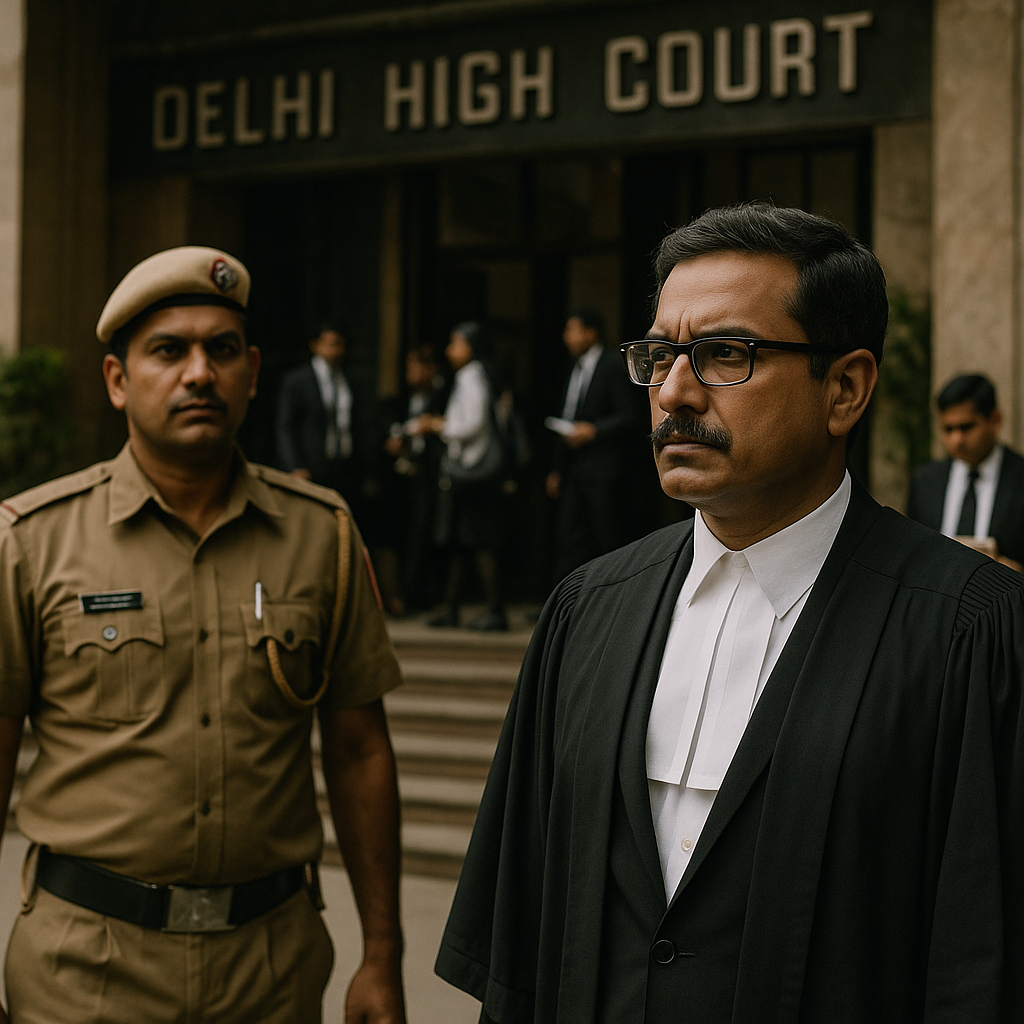
The Delhi High Court, established on 31 October 1966, serves as one of the premier judicial bodies in India, tasked with adjudicating a wide range of cases. It operates under the jurisdiction of the National Capital Territory of Delhi and functions with a sanctioned strength of 60 judges, as per the latest figures from the Ministry of Law and Justice. This court plays a pivotal role in interpreting laws and delivering justice in the region.
Recent Case Statistics
As of 2026, the Delhi High Court has witnessed a significant increase in the number of cases filed and disposed of. According to data released by the Government of India, the court saw a 12% increase in case filings from 2024 to 2025, totaling approximately 50,000 new cases in 2025 alone. This rise is attributed to the growing population and increasing legal awareness among citizens.
Moreover, the disposal rate of cases has also improved. In 2026, the court successfully disposed of 45,000 cases, marking a 15% increase from the previous year. This improvement is largely due to the implementation of digital case management systems, which have streamlined court processes.
Technological Advancements
The Delhi High Court has been at the forefront of integrating technology into its operations. As of 2025, the court has digitized over 80% of its records, facilitating easier access and management of case files. The introduction of e-filing systems has enabled lawyers and litigants to file cases online, significantly reducing paperwork and processing times.
Additionally, virtual court hearings have become commonplace, especially in light of the COVID-19 pandemic, which necessitated remote operations. By 2026, approximately 40% of hearings are conducted virtually, ensuring continuity in judicial proceedings while maintaining safety protocols.
Key Initiatives and Reforms
The Delhi High Court has undertaken several initiatives aimed at improving judicial efficiency and accessibility. Notable among these are:
- Fast-Track Courts: Established to expedite the resolution of specific categories of cases, such as those related to sexual offenses and corruption.
- Mediation Centers: These centers have been set up to promote alternative dispute resolution, helping to reduce the burden on traditional court systems.
- Legal Aid Services: Enhanced services to provide legal assistance to underprivileged sections of society, ensuring equitable access to justice.
Challenges Faced by the Delhi High Court
Despite its advancements, the Delhi High Court faces several challenges. The backlog of cases remains a persistent issue, with over 100,000 cases pending as of 2026. This backlog is primarily due to the high volume of cases and limited judicial resources.
Furthermore, infrastructure constraints, including courtroom space and technological resources, pose additional hurdles. Efforts are being made to address these issues through increased funding and strategic planning, as highlighted in recent government reports.
Future Prospects
Looking ahead, the Delhi High Court is poised to continue its efforts in enhancing judicial efficiency and accessibility. Plans are underway to further expand digital infrastructure and increase the number of judges to cope with the rising demand for judicial services. These measures are expected to significantly reduce case backlog and improve the overall functioning of the court.
Sources: Reuters, Government releases, publicly available data.
Comments
Post a Comment