The Aam Aadmi Party: A Political Force with Growing Influence
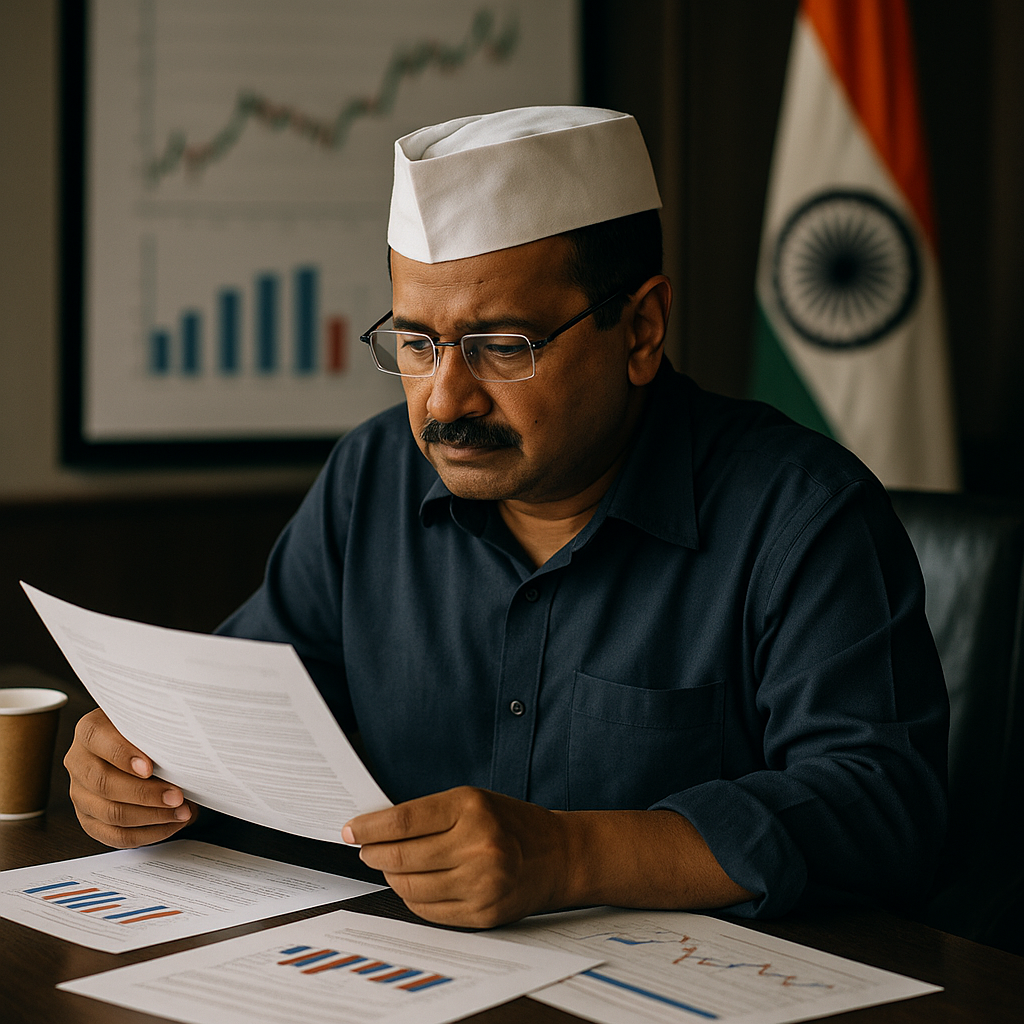
Founded in November 2012, the Aam Aadmi Party (AAP) quickly established itself as a significant player in Indian politics. As of 2026, AAP governs two states: Delhi and Punjab, demonstrating its expanding influence beyond its initial stronghold.
Electoral Successes and Expansions
In the 2024 Delhi Legislative Assembly elections, AAP secured 62 out of 70 seats, maintaining its dominant position in the region. This landslide victory underscored the party's strong connection with the urban electorate, attributed to its focus on governance, transparency, and public welfare. Source: Election Commission of India
In Punjab, AAP made history by winning the 2022 Assembly elections with 92 out of 117 seats. As of 2026, the party continues to hold power in Punjab, focusing on issues such as agriculture, education, and health care. Source: Punjab Government
Policy Initiatives and Governance
AAP's governance model emphasizes transparency and anti-corruption measures. In Delhi, the party has implemented policies aimed at improving public services and infrastructure. As of 2026, the Delhi government's budget allocation for education increased by 20%, focusing on enhancing school infrastructure and teacher training programs. Source: Delhi Government Budget 2026
Moreover, the Delhi government has launched several health initiatives, including the 'Mohalla Clinics,' which provide free primary healthcare services. As of 2025, over 500 clinics are operational across the city, serving approximately 3 million residents annually. Source: Delhi Health Department
Challenges and Criticisms
Despite its successes, AAP faces several challenges. Critics have pointed out issues related to governance and internal party dynamics. In 2025, the party witnessed internal dissent, leading to the resignation of key leaders. These events raised questions about the party's organizational structure and decision-making processes. Source: Reuters
Furthermore, AAP's expansion efforts beyond Delhi and Punjab have met with mixed results. In the 2024 national elections, AAP contested seats in multiple states but failed to secure a significant number of parliamentary seats, highlighting the difficulties of expanding its influence nationally. Source: Election Commission of India
Public Perception and Future Prospects
Public perception of AAP remains largely positive in regions where it governs, primarily due to its focus on local issues and grassroots engagement. As of 2026, surveys indicate that approximately 70% of Delhi's residents approve of the government's performance, particularly in education and health sectors. Source: Public Opinion Survey 2026
- 2024 Delhi elections: AAP won 62/70 seats
- 2022 Punjab elections: AAP won 92/117 seats
- Education budget increase in Delhi: 20% as of 2026
- Operational Mohalla Clinics: 500 serving 3 million residents annually
- Public approval rating in Delhi: 70% as of 2026
Looking ahead, AAP's ability to maintain its governance model while addressing internal and external challenges will be crucial for its continued success. The party's focus on local governance and public welfare could serve as a model for other regional parties aiming to expand their influence.
Sources: Reuters, Government releases, publicly available data.
Comments
Post a Comment