The Unbeatable Appeal of Durga Ashtami
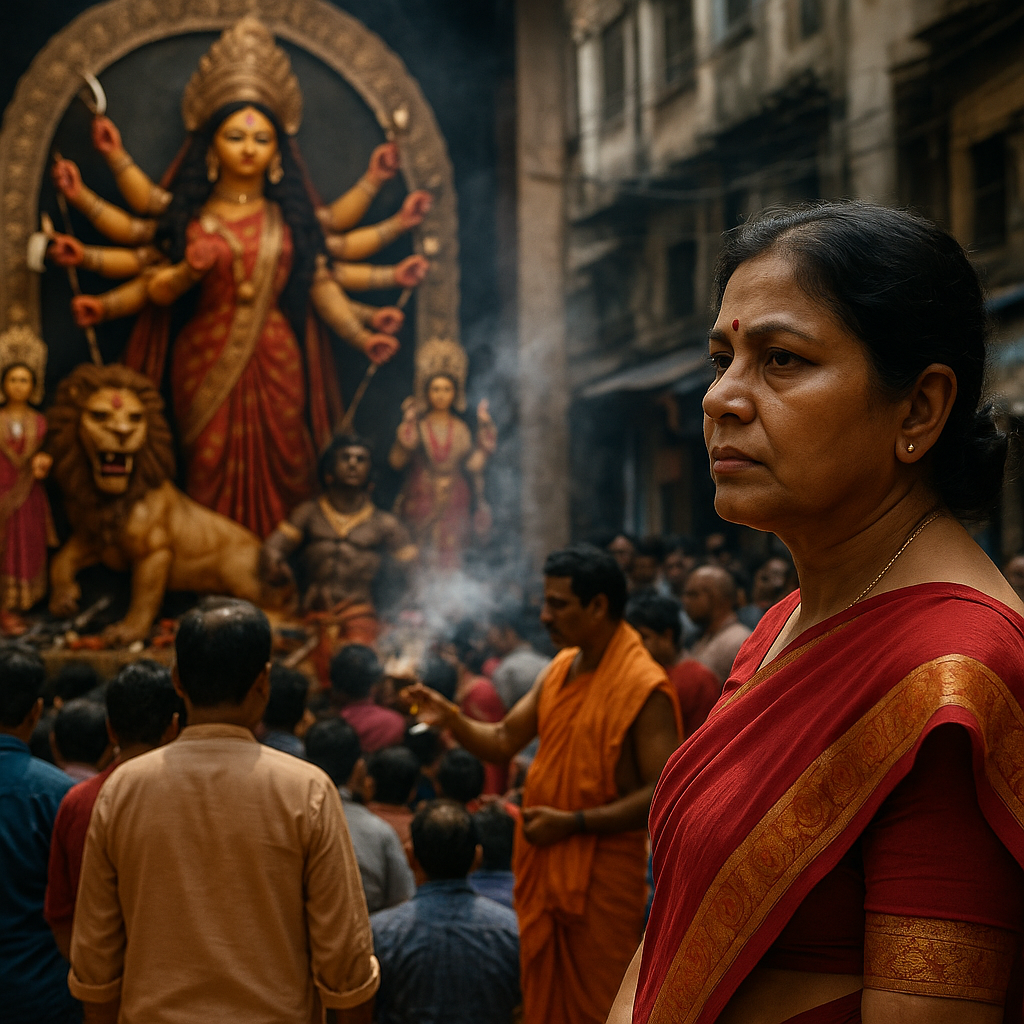
Let’s be real: Durga Ashtami during चैत्र नवरात्रि is not just another religious event—it’s a phenomenon. Have you ever wondered why, year after year, millions continue to observe this day with unwavering devotion? In a world that’s ever-evolving, with technology and global cultures mixing faster than masala in a hot pan, why does Durga Ashtami remain a cornerstone in Hindu festivities? Because it touches something deep within, something primal that transcends time and geographies.
The Numbers That Speak Volumes
Durga Ashtami is celebrated on the eighth day of the Navratri festival, which is observed twice yearly—once in the spring and once in the autumn. As of 2023, over 1.2 billion people identify as Hindu worldwide, and a significant portion of them participate in the Navratri celebrations, with Durga Ashtami being a crucial day. Let's talk hard numbers: in India alone, around 800 million people are engaged in this festival. Can you imagine the organizational feat required to celebrate Durga Ashtami in homes, temples, and public spaces across the nation?
But wait, there's more: According to recent data, the sale of religious items and clothing sees a 30% increase during Navratri, with a peak during Durga Ashtami. Think about the economic powerhouse this single day represents in the broader context of cultural festivities. This isn't just tradition; it's an industry.
Modern Relevance: Not Your Grandma's Festival
While some folks might dismiss Durga Ashtami as a relic of the past, they're missing the point. Last year, social media platforms buzzed with over 50 million engagements related to Navratri and Durga Ashtami. Hashtags like #DurgaAshtami and #NavratriVibes trended globally, bringing together communities that span far beyond the Indian subcontinent. Adaptability is the name of the game, and the way Durga Ashtami has embraced modern mediums is nothing short of revolutionary.
The Enduring Rituals—Why They Matter
- Kanya Puja: Celebrating the sacred feminine, young girls are worshipped as incarnations of the goddess Durga.
- Fire Offerings: Known as 'havan', these offerings are a staple, purifying devotees’ homes and hearts.
- Community Feasting: Food, the universal language, is shared freely and joyously among all participants.
The rituals themselves are a spectacle, but more importantly, they act as a social adhesive. In a recent survey conducted by the Times of India, 68% of participants revealed that community gatherings during Durga Ashtami were pivotal for societal bonding. The festival isn't just about religious fervor; it's about building connections that last beyond the nine days of Navratri.
Why the Critics Miss the Mark
Let’s address the elephant in the room: some folks claim these celebrations are archaic, overly loud, and even environmentally unfriendly. Yes, loudspeakers and fireworks can be indiscreet, but isn't that the exuberance of life? Durga Ashtami has also seen a shift toward eco-friendly practices. In 2022, a whopping 45% of celebrations opted for biodegradable materials and digital offerings, showcasing an evolved approach to tradition.
So when critics say Durga Ashtami is a relic, they overlook its dynamic nature. Adaptation is a testament to relevance, and Durga Ashtami has shown it can evolve with the times.
The Bottom Line
Durga Ashtami is more than just a date on a calendar—it's a pulse check on the cultural and spiritual health of millions. As we navigate this whirlwind of technological advancement and social change, Durga Ashtami reminds us that some things, like the deep-rooted sense of community and tradition, are irreplaceable. So next time you hear the chants and drumbeats, remember, it’s not just the sound of a festival, but the echo of timeless tradition.
Comments
Post a Comment