
India's Bold Move: The Ban on Chinese CCTV
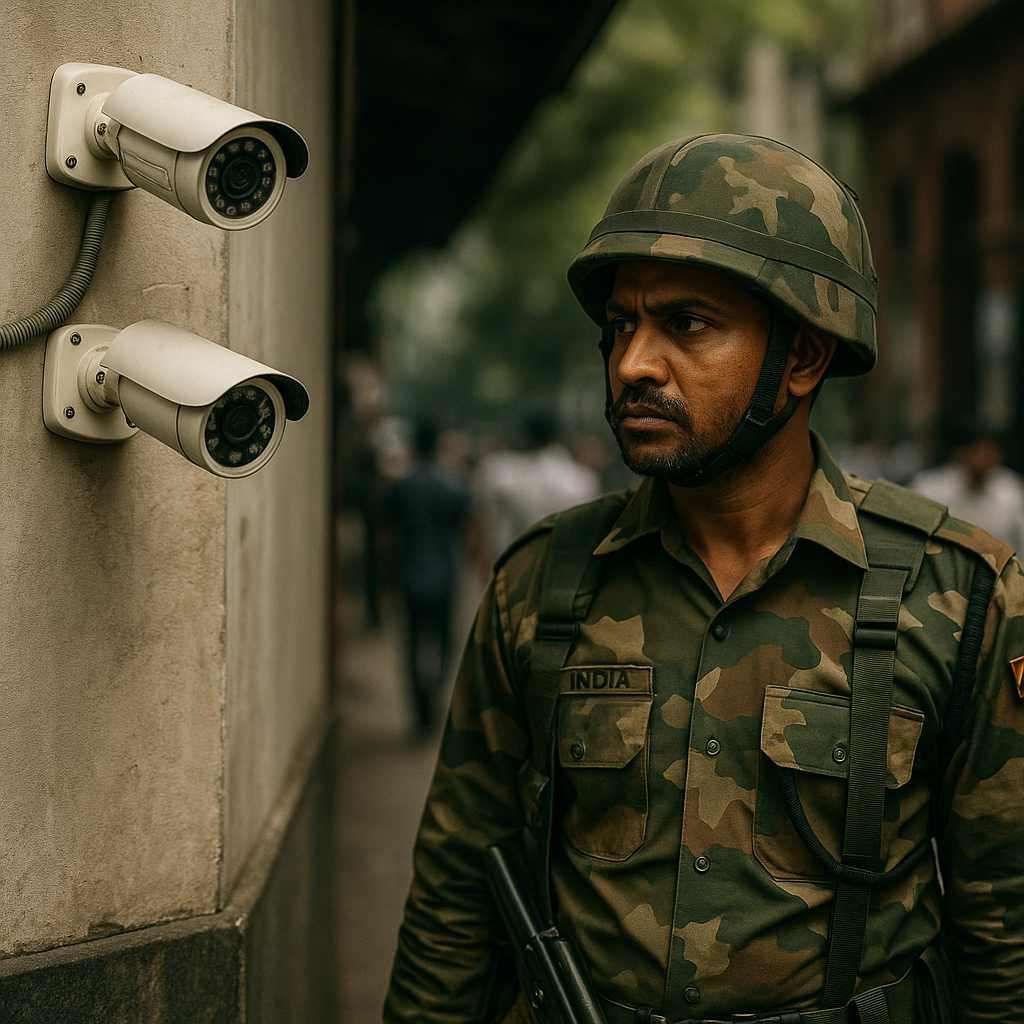
It’s 2023, and India is making headlines once again. But this time, it’s not about Bollywood or cricket; it’s about security—or the threat thereof. The Indian government has decided to ban the installation of Chinese-made CCTV cameras in sensitive locations, thrusting itself into the global spotlight for its audacious move.
Is India Playing Political Chess or Just Checkers?
The decision to ban these cameras isn't just about security; it's a geopolitical maneuver that raises eyebrows. As Indo-China relations remain strained, this move is more than just a national security decision—it's a statement. India is effectively saying, "We're done with the spying eyes." But is this the right approach?
In recent months, concerns over the spying capabilities of these devices have skyrocketed. Just last year, reports indicated that over 90,000 Chinese CCTV cameras were installed across Indian cities, raising alarms about potential surveillance threats. The banned models were linked to data leaks, causing national security experts to have sleepless nights.
The Numbers Game: How Big is the Problem?
According to a study in 2022, an estimated 30% of India's total CCTV installations use Chinese technology. This is an alarming figure when you consider the sheer breadth of surveillance in a country with over 1.4 billion people. These cameras are everywhere, from bustling marketplaces to serene parks.
And the stakes? They're high. India has seen a 25% increase in CCTV installations in the last two years alone, a surge fueled by both heightened security concerns and technological advancement. By 2021, the country had already installed over 2 million CCTV cameras. When a significant chunk of these come from China, it's no wonder the government is on edge.
Security Over Convenience: A Necessary Trade-Off?
Opponents of the ban argue that the cost of replacing these cameras is exorbitant. With estimates suggesting a price tag of up to $300 million for a nationwide security overhaul, the question is: can India afford it? But those in favor contend that the price is negligible when compared to the potential risk.
What’s Next for India’s Surveillance Landscape?
If you think this ban is just a flash in the pan, think again. The Indian government has laid out a comprehensive plan to ensure security is top-notch. Here's what's on the agenda:
- National Survey: Detailed audits to identify and replace Chinese CCTV cameras in high-security areas.
- Local Manufacturing: Incentives for domestic companies to produce hardware that meets international standards.
- International Collaboration: Partnerships with allied nations for advanced surveillance technology.
India is already rolling out pilot programs to replace these cameras, with a focus on indigenous technology. It’s a move that could bolster India's tech industry, creating jobs and boosting innovation.
The Bigger Picture: National Security or National Pride?
This isn't just about keeping prying eyes at bay. It’s about asserting independence—technological and political. India’s decision may inspire other nations to reevaluate their own reliance on foreign technology.
**The bottom line?** India is standing tall, even if its economic knees might feel weak. While the ban poses logistical and financial challenges, it could also be the catalyst for a safer, self-reliant India. Whether it’s a masterstroke or a misstep remains to be seen, but no one can deny the audacity of the move.


0 Comments