
The CBSE Quandary: An Educational Debate Rages On
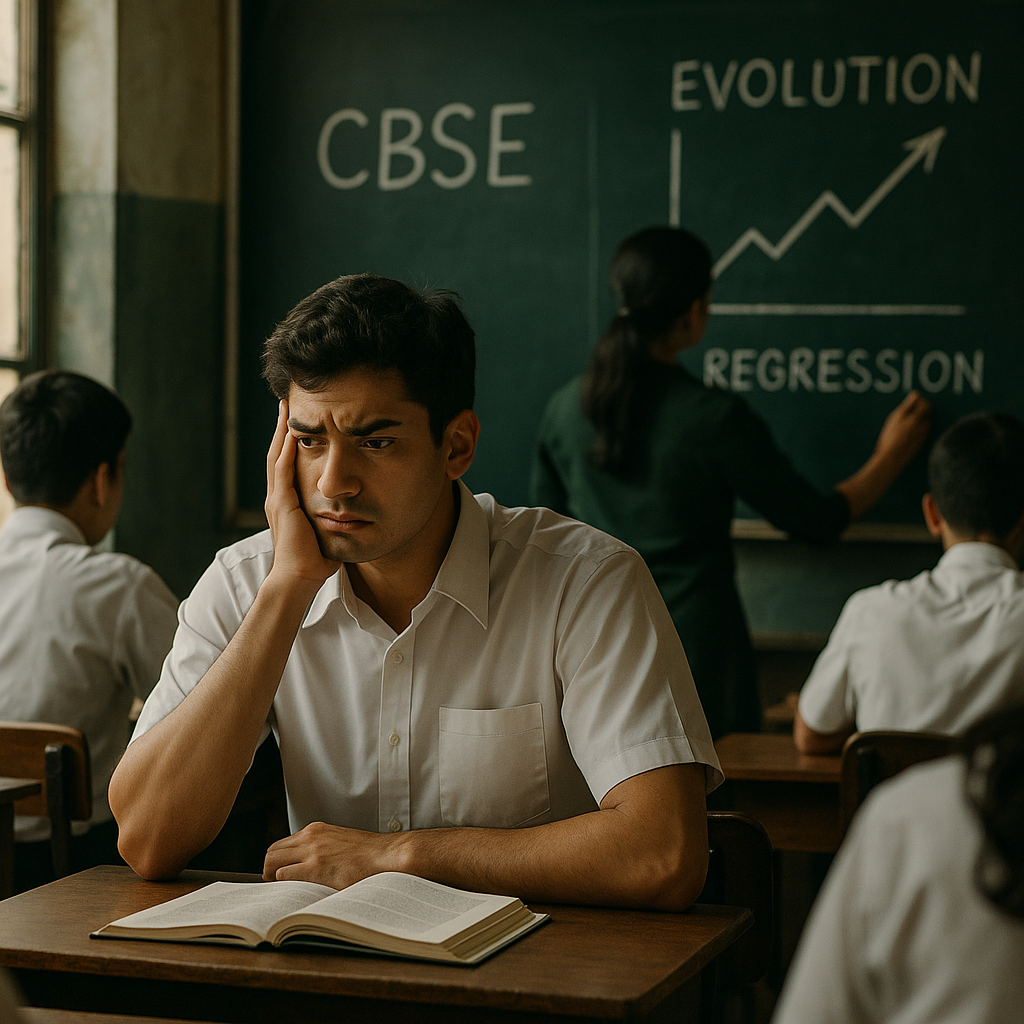
Ah, the CBSE board! Synonymous with rigorous exams and a mile-high stack of books, the Central Board of Secondary Education, or CBSE, governs the educational framework for over 21,000 schools in India alone. But the real kicker? It's been at the center of educational reform debates for decades. A recent 2022 survey indicates that 48% of Indian students feel overwhelmed by the CBSE's curriculum. Is this simply a rite of passage, or is something amiss?
The Numbers Speak Louder Than Words
India's education system is no stranger to transformation. Yet, the CBSE comes off as a staunch traditionalist in an age of modernity. In 2023, the CBSE implemented a competency-based assessment system across grades 9 to 12, shifting focus from rote memorization to critical thinking and application. This change was born from glaring statistics: in 2021, only 26% of students demonstrated an ability to apply concepts in unfamiliar contexts.
But hold your applause. Despite these efforts, the jury is still out on the effectiveness of these changes. Critics argue that the pressure to perform is as high as Mount Everest, and this new system might just be a glossy coat of paint on a rusty old machine. The pressure cooker environment remains relentless, with parents and students alike trapped in a bubble of stress and anxiety.
Striking a Balance: Education or Examination?
CBSE's model is like a double-edged sword. On one hand, it's structured and uniform, acting as a passport for students seeking admissions abroad or at top-tier Indian universities. On the other hand, it's rigid and sometimes stifling, often resembling an obstacle course designed by an overzealous Spartan trainer.
Here are some key reforms introduced by CBSE recently:
- 2023: Introduction of AI and coding classes from grade 6 onwards to promote technological literacy.
- 2022: Strengthened mental health programs in schools to tackle rising student stress levels.
- 2021: More weight on internal assessments, reducing the final exam's contribution to the overall grade.
These changes are commendable, no doubt. However, the real question remains: are they enough to reshape the educational landscape fundamentally? Or are we just seeing a shift in tactics, not strategy?
The International Perspective
Comparisons are inevitable. The International Baccalaureate (IB) and Cambridge systems, popular in many Indian private schools, promote holistic development and flexible curricula. They nurture creativity and critical thinking, skills that are indispensable in today's global market. Yet, they come with their own set of challenges, chiefly the financial burden.
CBSE's affordability makes it accessible and democratic, opening doors to millions of students who otherwise couldn't dream of such an education. However, accessibility without adaptability is like giving someone a car without the keys. It's there, but you can't really use it to its full potential.
The Future of CBSE: Utopia or Dystopia?
The future is a canvas of limitless possibilities, but is CBSE ready to pick up the brush?
Education Minister Dharmendra Pradhan's 2023 statement that "Education in India is set for a paradigm shift, with CBSE leading the charge" is either a herald of monumental change or political jargon at its finest. Take your pick.
In the end, what's clear is that CBSE stands at a crossroads. It's a system with deep roots, and any change must be slow and deliberate to sustain its foundational benefits while ushering in new, dynamic methodologies.
To many, CBSE remains a living paradox, a mythical beast grappling with its identity in the swiftly evolving educational cosmos. The outcome of these reforms will shape not just classrooms and textbooks, but minds and futures.
Stay tuned, because this educational rollercoaster is far from over.


0 Comments