The Make-Or-Break Mission for NASA's Lunar Ambitions
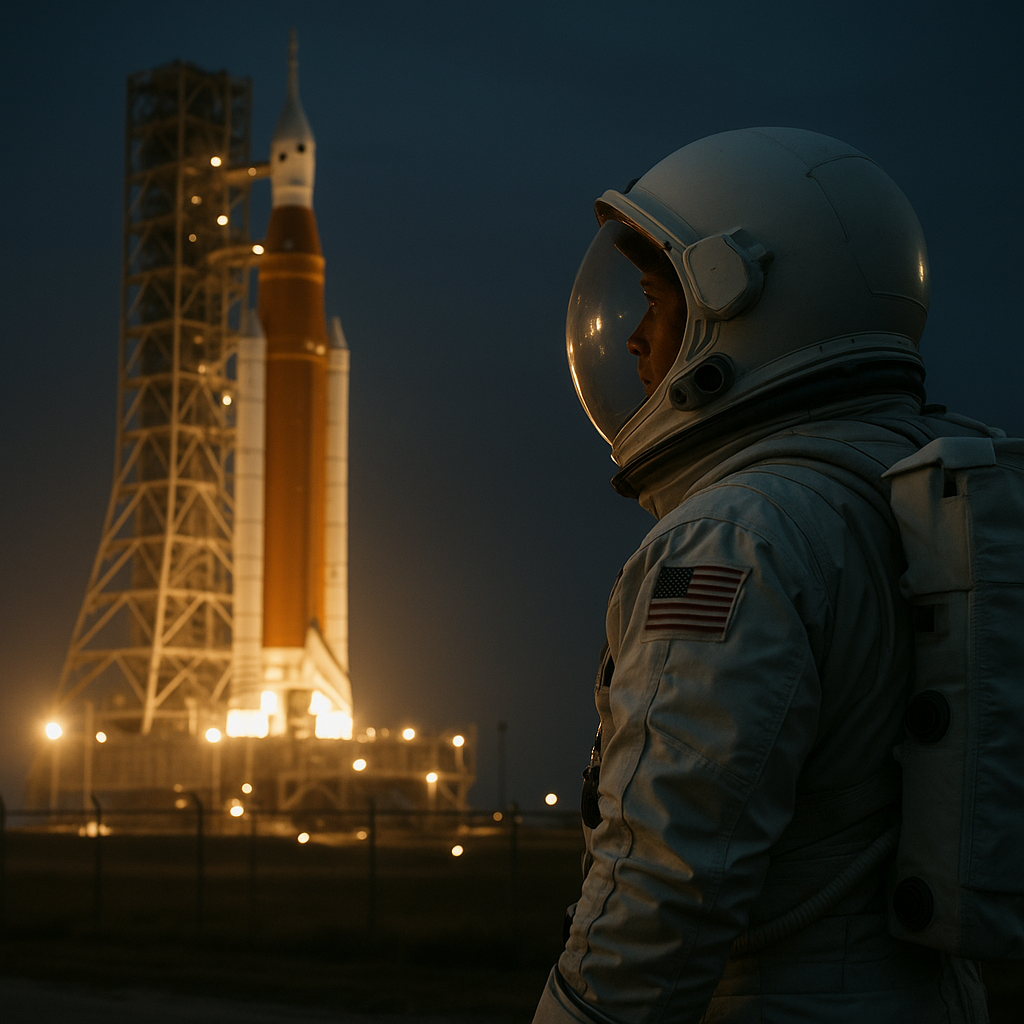
In an era where space has become the new global frontier, NASA's Artemis II mission stands out as a pivotal point. It's not just about returning to the Moon; it's about asserting leadership in a space race that's more crowded than ever. Amidst geopolitical tensions and budget constraints, does Artemis II have what it takes to capture the world's imagination? Let's peel back the layers.
The Cold, Hard Numbers
Back in 2022, NASA announced that Artemis II would be the first crewed mission in the Artemis program, aiming to send humans around the Moon by 2024. But here's a figure that'll make you pause: the projected cost of the Artemis program is $93 billion by 2025. That's akin to buying a small country or funding several large-scale humanitarian projects. Can NASA justify this financial behemoth?
With a four-person crew, the mission will orbit the Moon over approximately 10 days, covering a distance of about 238,855 miles each way. These astronauts will blaze a trail not just for science but for the new economics of space. After all, the Moon could be a gateway to Mars and beyond, but only if Artemis II succeeds.
The Global Context: A New Space Race
Fast forward to recent months, and the buzz around Artemis II isn't just about NASA's lofty goals. It's about international competition. China has made significant strides, with its Chang'e missions laying claim to a piece of the lunar surface. Meanwhile, Elon Musk's SpaceX is prepping for Mars as if the Red Planet were a new real estate opportunity. With private companies and national agencies elbowing for position, NASA can't afford to falter.
Yet, Artemis II is more than a response to international pressure. It's a bid to reignite the public's enthusiasm about space exploration. The last Moon landing was in 1972. Since then, generations have grown up associating space more with satellites than with human adventure. Artemis II could change that narrative.
Challenges Faced by Artemis II
Though the vision is grand, the path to execution is fraught with hurdles.
- Technical Challenges: Artemis II will be the first crewed flight of the Orion spacecraft, and the first time humans will travel that far since Apollo. The stakes? Astronomical.
- Budget Constraints: Despite the billions allocated, unexpected expenses could derail timelines. A Congressional report raised eyebrows recently by noting potential budget overruns.
- Global Collaboration: Unlike the Cold War space race, today's missions involve complex international partnerships, adding layers of bureaucracy and potential for conflict.
Why Artemis II Matters More Than Ever
Here's the crux: Artemis II is not just about going back to the Moon. It's about proving that humanity can work together towards inaccessible frontiers that were once the realm of science fiction.
In a world grappling with myriad existential threats, from climate change to pandemics, space exploration offers a unifying vision. Science fiction has long imagined humans as a multi-planetary species. Artemis II is the concrete step towards realizing that dream.
The question isn't just if NASA can pull it off. It's whether we, as a global society, are ready to support and sustain these efforts. The stakes are high, and the world is watching. Failure isn't just a setback for NASA; it's a setback for all of us.
Final Thoughts: A New Dawn or Just a Rehash?
There's no doubt; Artemis II is ambitious. It's a monumental task that seems to channel the spirit of the Apollo missions while facing unprecedented modern-day challenges. But will it succeed in reigniting our collective imagination about space? Only time will tell, but if it does, it won't just be NASA's triumph. It'll be humanity's.
Comments
Post a Comment