Introduction to the 'Sir Odisha' Initiative
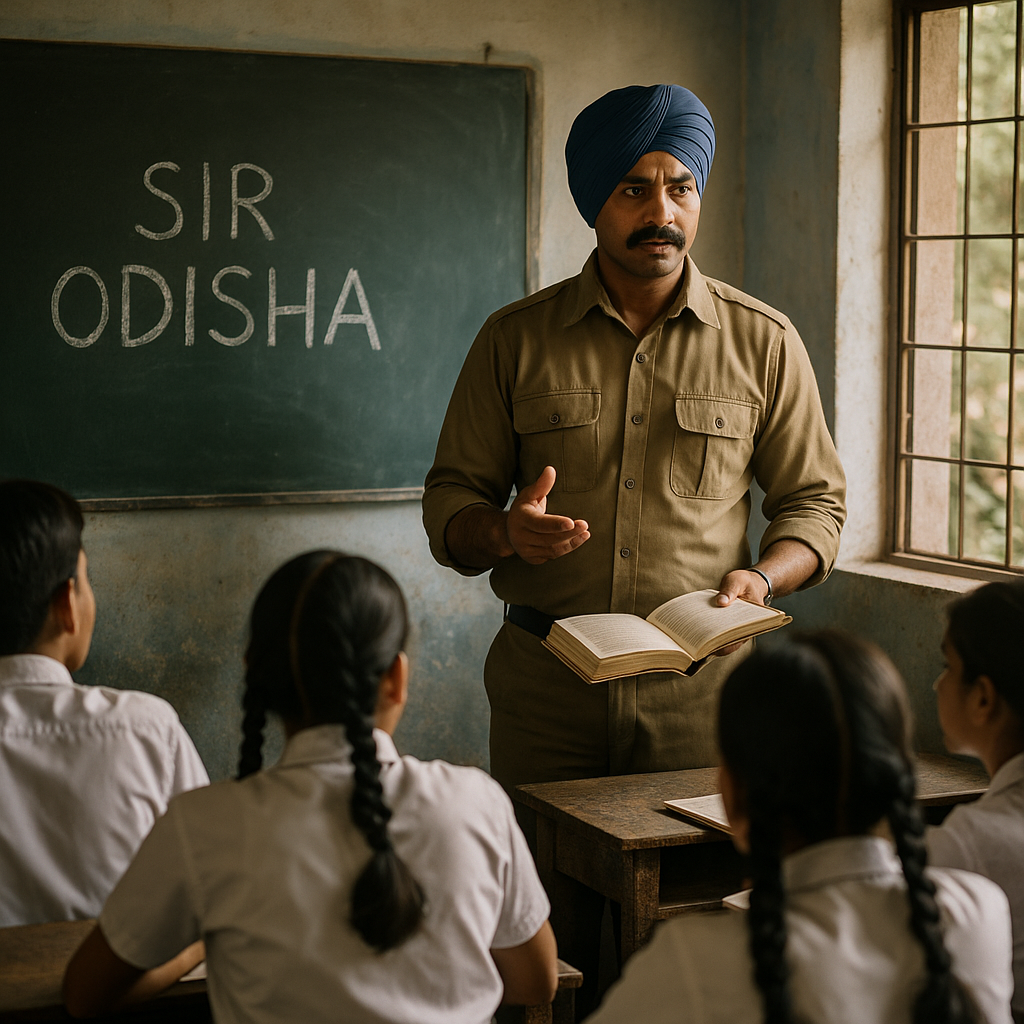
The 'Sir Odisha' initiative is a transformative program aimed at enhancing education and development in Odisha. This initiative seeks to address socio-economic challenges by improving educational infrastructure and fostering community development. Recently, the initiative has gained attention due to significant changes in the electoral rolls, which have implications for local governance and civic participation.
Background of the 'Sir Odisha' Initiative
Launched to tackle educational disparities and promote socio-economic growth, the 'Sir Odisha' initiative focuses on improving access to quality education. It aims to create a robust educational framework that empowers individuals and communities. The initiative also seeks to address broader development goals, including infrastructure, healthcare, and employment opportunities.
Recent Changes in Odisha's Electoral Rolls
In a significant update, over 20 lakh names were deleted from Odisha's draft electoral rolls following the SIR enumeration phase. This move primarily targeted deceased and relocated voters, with 8.32 lakh deceased and 10.07 lakh shifted voters removed from the rolls. These changes have sparked discussions about their implications for governance and the accuracy of voter lists.
Districts Most Affected
Ganjam and Cuttack districts were among those most affected by the deletions. The changes have raised concerns about potential disenfranchisement and the accuracy of voter lists, which are crucial for fair and transparent elections. Ensuring the integrity of electoral rolls is essential for maintaining trust in the democratic process.
Opposition Concerns
Opposition parties have flagged the deletions, citing 'minor anomalies' as a cause for concern. They argue that these discrepancies could lead to the exclusion of eligible voters, thus affecting the democratic process. The scrutiny from opposition highlights the need for a transparent and accountable electoral system.
Implications for Local Education
The focus of the 'Sir Odisha' initiative on education is particularly relevant in light of these electoral changes. By improving educational infrastructure and access, the program aims to empower communities and foster informed civic participation. Education is a critical tool for enabling citizens to engage meaningfully in democratic processes, including voting.
Development Goals of the Initiative
Beyond education, the 'Sir Odisha' initiative seeks to drive broader socio-economic development. It aims to improve infrastructure, healthcare, and employment opportunities, thereby addressing some of the root causes of migration and voter roll inaccuracies. These efforts are designed to create a more stable and prosperous society.
Challenges and Limitations
- The criteria for voter deletions remain unclear, raising questions about the fairness of the process.
- The exact impact on voter demographics and potential shifts in political dynamics are not yet fully understood.
- The response from the Election Commission regarding these changes has not been detailed in available sources.
Why It Matters
The recent changes in electoral rolls and the implementation of the 'Sir Odisha' initiative are significant for several reasons. They highlight the complexities involved in governance and development efforts. Ensuring that the initiative's goals are met requires transparent processes, stakeholder engagement, and continuous monitoring.
What Readers Should Watch Next
For residents of Odisha and policy enthusiasts, staying informed about the 'Sir Odisha' initiative and its developments is crucial. Engaging with local governance processes, providing feedback, and advocating for transparency can help ensure that the program achieves its intended outcomes and contributes positively to Odisha's development.
Sources and Method
This analysis is based on information from reputable sources, including NDTV and Hindustan Times. These sources provide consistent and reliable information about the recent electoral changes and the broader implications for the 'Sir Odisha' initiative.
Additional source links:
Why this matters
For readers following Understanding the 'Sir Odisha' Initiative: Impact on Education and Electoral Changes, the useful takeaway is not just the headline. The important part is understanding what the available report confirms, what it leaves open, and why later updates may change the picture.
This article keeps the wording cautious because the source material is the factual boundary. The added context is meant to help readers understand the development without turning early information into unsupported claims.
What is still unclear
The linked source does not answer every possible follow-up question. Timelines, official responses, wider impact, and next steps may need clearer reporting before readers can treat them as settled facts.
Where the evidence is limited, the safer reading is to treat the current details as a snapshot. That approach protects readers from overconfident summaries and keeps the post useful even as the story develops.
Comments
Post a Comment