Introduction to Self-Enumeration in India's Census
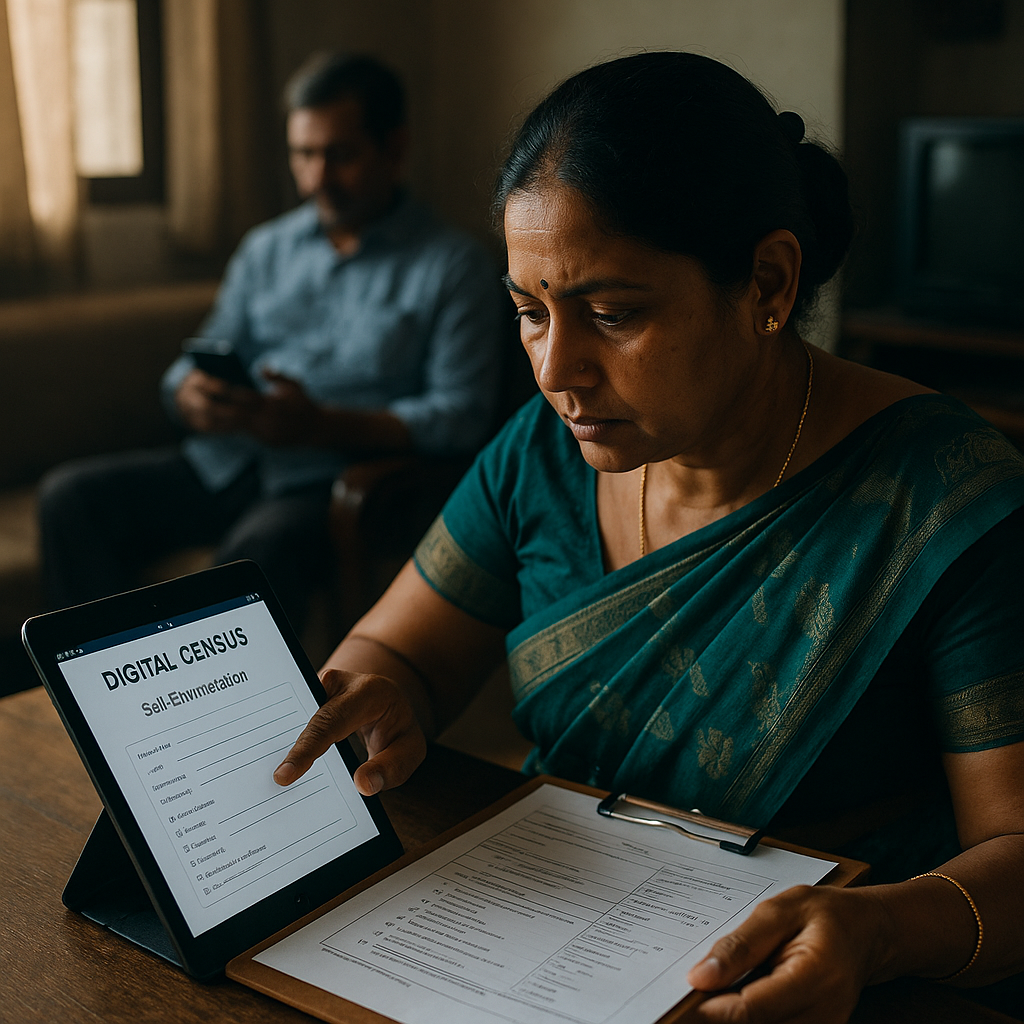
India is embarking on a transformative journey with the introduction of self-enumeration in its first digital census. This initiative aims to enhance the accuracy of data collection and empower citizens to actively participate in the census process. As the self-enumeration phase begins in Tamil Nadu and Tripura for Census 2027, understanding its process and importance becomes crucial for Indian citizens.
Background of India's Census
The census in India is a decennial exercise that provides critical data on the country's demographics, socio-economic conditions, and population trends. Traditionally, this has involved census workers visiting households to collect information manually. This method, while comprehensive, is resource-intensive and subject to human error.
What is Self-Enumeration?
Self-enumeration allows individuals to fill out their census information online, providing a convenient and efficient way to contribute to national data collection. This method is part of India's broader effort to digitize the census, making it more accessible and reducing the need for physical enumeration by census workers.
Significance of Self-Enumeration
The shift to self-enumeration marks a significant step in modernizing India's census operations. By enabling citizens to input their data directly, the process aims to improve the accuracy of demographic statistics, which are vital for policy-making and resource allocation. Additionally, it reduces the burden on census enumerators and minimizes human error in data collection.
How Does Self-Enumeration Work?
While specific details on the self-enumeration process are not extensively covered in the current sources, it typically involves logging into a secure online portal where individuals can enter their household and personal information. This data is then securely stored and used for compiling national statistics. The process is designed to be user-friendly, ensuring that citizens can easily navigate the system and input accurate data.
Launch in Tamil Nadu and Tripura
The self-enumeration phase for Census 2027 began in Tamil Nadu and Tripura on July 17, 2026. This launch is part of the first phase of the digital census, with Tamil Nadu and Tripura leading the way in adopting this new method. The participation of citizens in these states will provide valuable insights into the effectiveness and challenges of self-enumeration.
Role of Citizens in Accurate Data Gathering
- Active Participation: Citizens are encouraged to actively participate by filling out their census information accurately and timely.
- Ensuring Data Accuracy: By providing precise details, individuals contribute to the reliability of national statistics.
- Privacy and Security: The digital platform is designed to protect personal information, ensuring data privacy and security.
Challenges and Considerations
While self-enumeration offers numerous benefits, there are challenges that need to be addressed. These include ensuring digital literacy among all citizens, providing access to the necessary technology, and maintaining data security. Efforts must be made to educate citizens on how to use the online portal effectively. Additionally, there may be concerns about the digital divide, where some communities might not have access to the internet or the necessary devices to participate.
Feedback and Impact
The initial feedback from the launch in Tamil Nadu and Tripura is not extensively covered in the current sources. However, monitoring citizen participation and gathering feedback will be crucial in refining the process and addressing any issues that arise. The success of this initiative will depend on continuous improvements based on user experiences and feedback.
What Readers Should Know
While the self-enumeration initiative is a promising step forward, specific details about the process and its impact are not fully disclosed. Citizens should stay informed through official channels and participate actively to ensure the success of this digital census. Engaging with community leaders and local government officials can also provide additional support and information.
Practical Takeaway for Citizens
As India transitions to a digital census, citizens have a pivotal role in ensuring accurate data collection. By participating in self-enumeration, individuals can contribute to the development of effective policies and resource distribution. Staying informed and engaged with official updates will be key to navigating this new era of data collection.
Sources and Method
The information in this article is sourced from reputable outlets and official announcements. For further details, readers can explore the following links:
- Self-Enumeration Facility for India’s First Digital Census to Launch in Tamil Nadu
- Self-Enumeration Begins In Tamil Nadu And Tripura Under Phase 1 Of Census 2027
Additional source links:
Comments
Post a Comment