Understanding the Role of Telangana's CEO in Electoral Processes
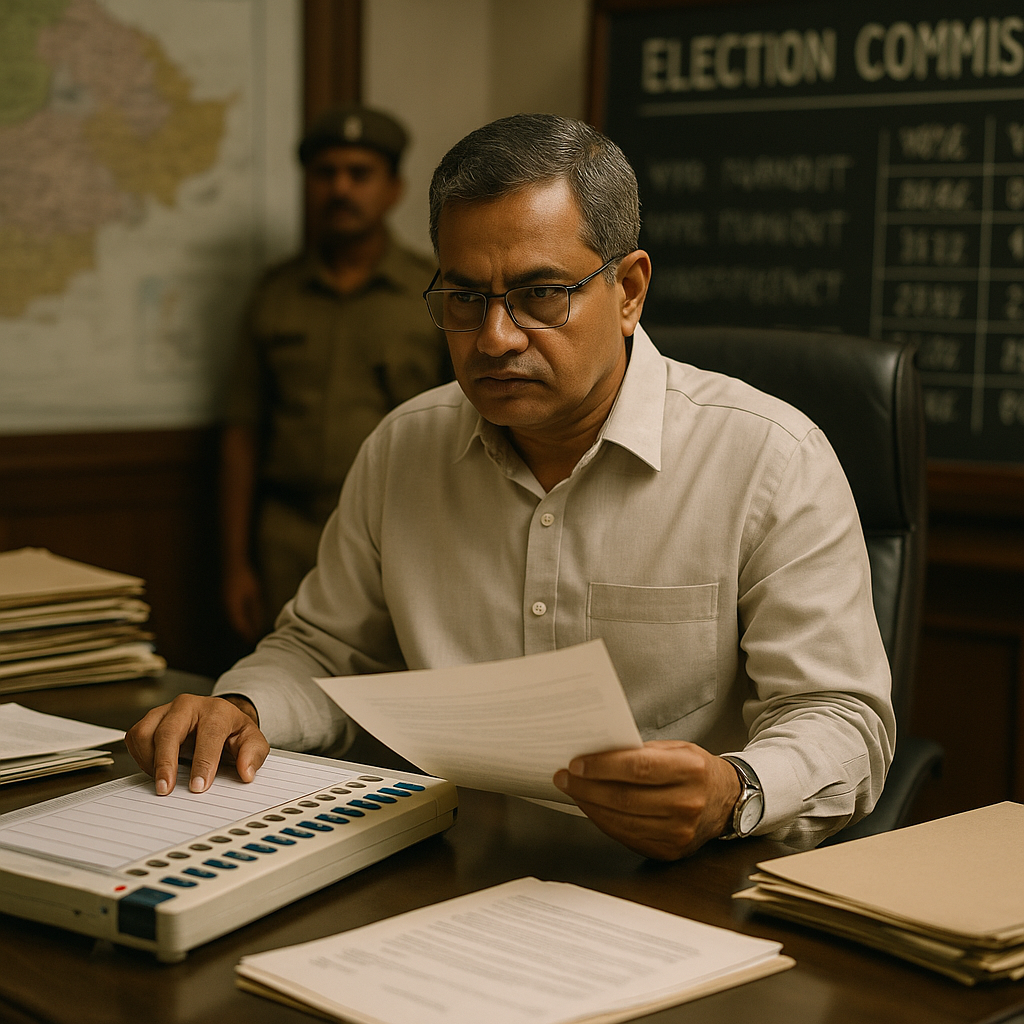
The Chief Electoral Officer (CEO) of Telangana plays a crucial role in the state's electoral processes, ensuring that elections are conducted fairly and transparently. This position involves overseeing voter mapping, managing enumeration forms, and maintaining accurate electoral rolls. Recent developments have highlighted the importance of the CEO's responsibilities, particularly as the state prepares for upcoming elections.
Background: The CEO's Role in Electoral Management
The CEO's office is integral to the administration of elections in Telangana. It acts as a liaison between the Election Commission of India (ECI) and the state's administrative bodies. The CEO is responsible for implementing ECI directives, facilitating voter registration, and ensuring that the electoral process is inclusive and accessible to all eligible voters. This role is vital for upholding electoral integrity and public confidence in the democratic process.
Recent Developments in Voter Mapping
Voter mapping is an essential component of election preparation, ensuring that all eligible voters are accurately represented on electoral rolls. As of June 2026, the CEO's office reported that 68.3% of voter mapping in Telangana has been completed. The office aims to achieve 90% progress by the end of May, demonstrating a proactive approach to ensuring election readiness.
Importance of Accurate Electoral Rolls
Accurate electoral rolls are fundamental to democratic processes, as they ensure that every eligible voter can participate in elections. The CEO's efforts in voter mapping are aimed at eliminating discrepancies and preventing disenfranchisement, which could undermine public trust in electoral outcomes. This focus on accuracy supports the principle of universal suffrage and strengthens the democratic process.
Enumeration Forms and Language Considerations
Enumeration forms are vital tools for collecting data during voter mapping. In Telangana, these forms are available in English for the Greater Hyderabad Municipal Corporation (GHMC) area, while Telugu is used for the rest of the state. Dummy forms have been printed in Urdu to accommodate linguistic diversity. This multilingual approach aims to ensure inclusivity and accessibility for all voters, though it presents logistical challenges in ensuring consistency and accuracy.
Challenges and Limitations in Voter Mapping
Despite progress, several challenges persist in completing voter mapping. These include logistical issues related to distributing enumeration forms in multiple languages and ensuring accurate representation of all eligible voters. The CEO's office must address these challenges to avoid discrepancies in electoral rolls, which could affect election outcomes.
Impact of Language Diversity
The use of different languages for enumeration forms reflects Telangana's linguistic diversity. While inclusive, this approach requires careful management to ensure data consistency across languages. Enumerators must be well-trained to handle forms in multiple languages effectively, ensuring that all collected data is accurate and reliable.
Clarifications on Electoral Roll Updates
In recent updates, the CEO clarified that voters not found in the 2002 rolls will not be deleted, ensuring that historical data does not inadvertently exclude eligible voters. This decision highlights the importance of maintaining comprehensive and accurate electoral rolls, which are essential for fair elections.
Progress and Future Goals
With the goal of achieving 90% progress in voter mapping by the end of May, the CEO's office is focused on completing this task efficiently. The progress made thus far is promising, but continued efforts are necessary to meet the target and ensure readiness for upcoming elections.
What Readers Should Watch Next
Residents and voters in Telangana should stay informed about updates from the CEO's office. Understanding the role of the CEO in electoral processes is crucial, as ongoing voter mapping efforts and the use of multilingual enumeration forms are key components in ensuring fair and inclusive elections. Monitoring these developments will help voters ensure their participation in the democratic process.
Sources and Method
Additional source links:
Why this matters
For readers following Understanding the Role of Telangana's CEO in Electoral Processes, the useful takeaway is not just the headline. The important part is understanding what the available report confirms, what it leaves open, and why later updates may change the picture.
This article keeps the wording cautious because the source material is the factual boundary. The added context is meant to help readers understand the development without turning early information into unsupported claims.
Comments
Post a Comment