Understanding Recent Weather Patterns in India
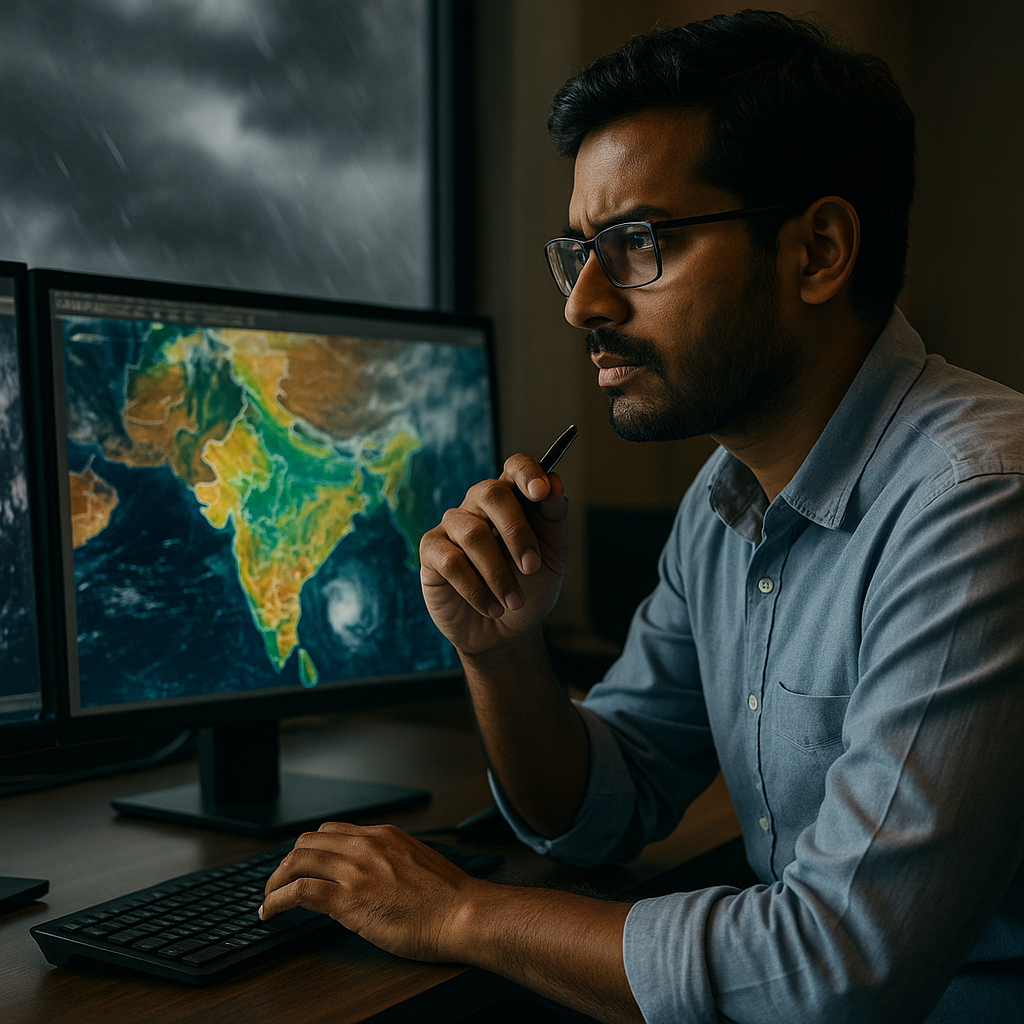
India's diverse climate presents a complex challenge for meteorologists. The country has recently experienced a mix of dry and wet weather conditions, with significant rainfall alerts issued for regions like Bihar, Bengal, and Northeast India. These weather patterns have crucial implications for local communities, agriculture, and daily life.
The Current Weather Scenario
According to reports, while much of India is experiencing dry weather, heavy rainfall alerts have been issued for specific areas. The Indian Meteorological Department (IMD) has flagged potential flood threats and thunderstorms in these regions, highlighting the need for preparedness among residents and authorities. Such alerts are essential as they help mitigate the risks associated with severe weather conditions.
Advancements in Meteorology
Meteorology has seen significant advancements in recent years, improving the accuracy of weather forecasts. These improvements are crucial for a country like India, where monsoon patterns can drastically affect agriculture and infrastructure. Enhanced satellite technology and computer models allow meteorologists to predict weather changes more precisely, providing timely alerts to mitigate potential disasters.
Impact on Local Communities
For communities in Bihar, Bengal, and the Northeast, heavy rainfall can lead to flooding, disrupting daily life and damaging crops. Local authorities often face challenges in managing these situations, requiring effective disaster management strategies to minimize impact. The following are some of the key challenges faced:
- Travel disruptions due to flooded roads
- Potential crop damage affecting local farmers
- Increased risk of waterborne diseases
- Challenges in maintaining essential services
Role of Technology in Forecasting
Technological advancements have transformed weather forecasting, making it more accurate and accessible. The use of high-resolution satellite imagery and advanced computational models helps in predicting weather patterns with greater precision, allowing for better planning and response. This technological leap is vital for timely and effective disaster management.
Background: India's Meteorological Challenges
India's geographical diversity, ranging from the Himalayas in the north to the coastal regions in the south, creates complex weather systems. The monsoon, a critical component of India's climate, brings about 70% of the country's annual rainfall. Accurate forecasting of monsoon patterns is vital for agriculture, water management, and disaster preparedness.
What Changed: Recent Meteorological Advances
Recent advancements in meteorology include the deployment of new satellite systems and the development of sophisticated weather models. These tools enhance the ability to monitor weather systems in real-time and predict changes with greater accuracy. The IMD's use of Doppler radar and numerical weather prediction models has improved short-term forecasting significantly.
Why It Matters: Implications for Agriculture and Infrastructure
Accurate weather forecasts are crucial for India's agriculture sector, which is heavily dependent on monsoon rains. Predicting rainfall patterns helps farmers plan their sowing and harvesting schedules, reducing the risk of crop failure. Moreover, timely weather alerts enable authorities to prepare for potential infrastructure challenges, such as flooding and landslides.
Limitations and Challenges
Despite advancements, meteorology still faces challenges, particularly in predicting localized weather events. The variability of the monsoon and the influence of global climate patterns, such as El Niño, add complexity to forecasting efforts. Additionally, communicating weather alerts effectively to remote communities remains a challenge.
What Readers Should Watch Next
Readers should stay informed about weather developments through reliable sources and official channels. Understanding the impact of global climate patterns on local weather can provide insights into future trends. Additionally, exploring how technology continues to evolve in meteorology can offer a glimpse into the future of weather forecasting.
Sources and Method
The analysis is based on reports from multiple reputable sources, including AajTak and The Times of India. These sources provide insights into the current weather conditions and the meteorological advancements aiding in better forecasting.
Takeaway for Readers
Staying informed and prepared is crucial when dealing with unpredictable weather patterns. As meteorology continues to advance, the ability to forecast and respond to weather conditions will improve, helping communities mitigate risks associated with adverse weather events.
Additional source links:
Why this matters
For readers following Understanding India's Weather Patterns: The Role of Meteorology in Forecasting, the useful takeaway is not just the headline. The important part is understanding what the available report confirms, what it leaves open, and why later updates may change the picture.
This article keeps the wording cautious because the source material is the factual boundary. The added context is meant to help readers understand the development without turning early information into unsupported claims.
Comments
Post a Comment