Understanding the Resurgence of Measles
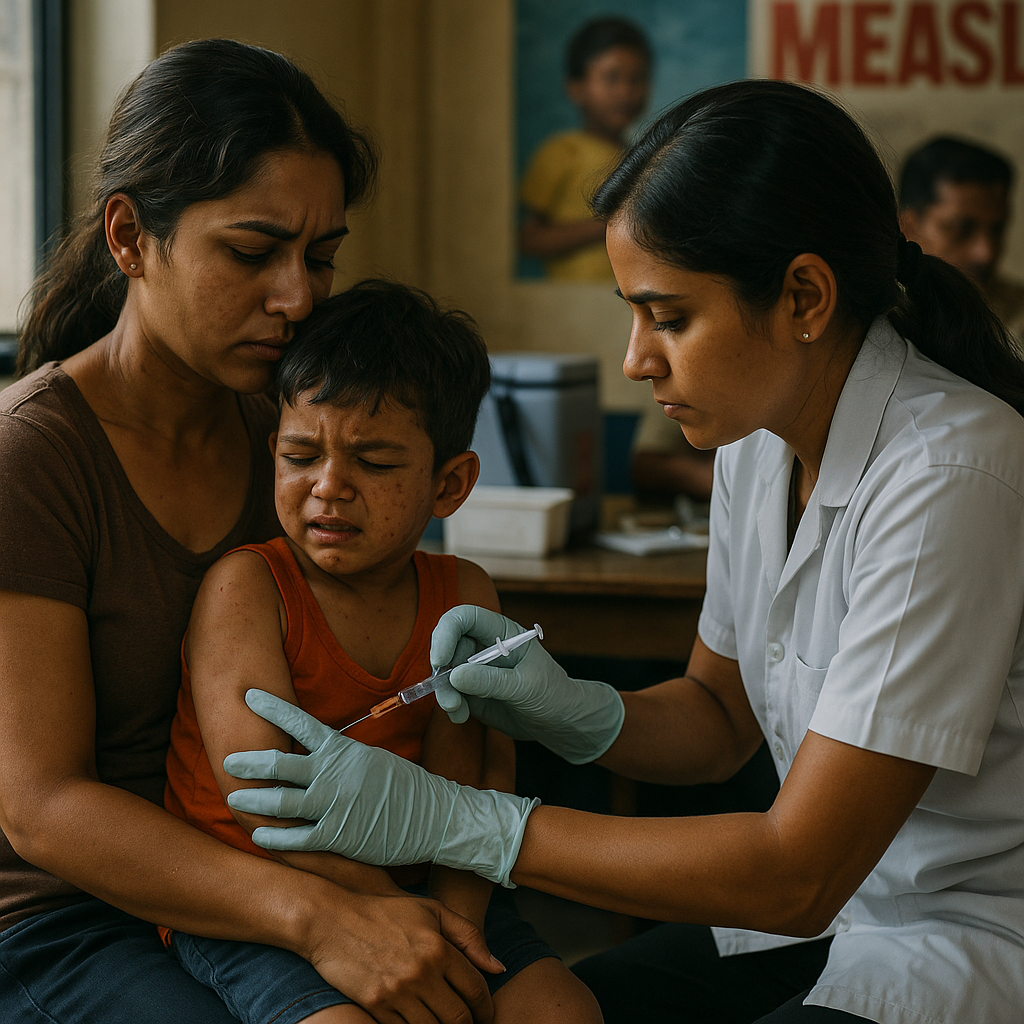
Measles, a highly contagious viral disease, has seen a resurgence in various parts of the world, including India. This trend raises concerns about public health, particularly in regions with dense populations and limited healthcare resources. The resurgence highlights the importance of vaccination campaigns to prevent outbreaks and protect vulnerable populations.
Background on Measles
Measles is caused by the measles virus and is known for its high transmission rate. The disease spreads through respiratory droplets and can lead to severe complications, especially in children. Symptoms include high fever, cough, runny nose, and a characteristic rash. Despite the availability of a safe and effective vaccine, measles continues to pose a threat in areas with low vaccination coverage.
Current Situation in Bangladesh
Bangladesh is currently facing a severe measles outbreak, with over 1 lakh suspected cases and a death toll of 716. The situation is exacerbated by a shortage of diagnostic kits, which disrupts timely testing and management. This shortage poses a significant challenge to controlling the outbreak and underscores the need for robust healthcare infrastructure.
Implications for India
India, with its large population and diverse healthcare landscape, is at risk of similar outbreaks if preventive measures are not strengthened. The proximity to Bangladesh and shared socio-economic factors make it crucial for India to bolster its vaccination campaigns and ensure adequate diagnostic resources. The movement of people across borders can facilitate the spread of the virus, highlighting the need for coordinated regional health strategies.
The Role of Vaccination Campaigns
Vaccination is the most effective way to prevent measles outbreaks. In India, the government has implemented various immunization programs, but challenges remain in reaching remote areas and ensuring full coverage. Vaccination campaigns must be intensified, particularly targeting children who are most vulnerable to the disease. The introduction of mobile vaccination units and community health workers can help bridge the gap in hard-to-reach areas.
Challenges in Vaccine Distribution
Despite efforts to distribute vaccines, logistical challenges such as transportation, storage, and local resistance can hinder progress. Addressing these issues requires a coordinated approach involving government agencies, healthcare providers, and community leaders. Cold chain management is critical to maintaining vaccine efficacy, and investments in infrastructure are necessary to support this.
Lessons from Global Outbreaks
Global measles outbreaks have provided valuable lessons in outbreak management. Countries that have successfully controlled measles have done so through comprehensive vaccination strategies, public awareness campaigns, and strong healthcare systems. India can benefit from these insights to enhance its own measles prevention efforts. Learning from countries with high vaccination rates can guide policy improvements and resource allocation.
Public Health Initiatives
Public health initiatives play a vital role in educating communities about the importance of vaccination. Campaigns that emphasize the safety and efficacy of vaccines can help overcome hesitancy and increase uptake. Collaboration with local influencers and healthcare workers can further strengthen these initiatives. Engaging with community leaders and using culturally sensitive communication strategies can enhance trust and participation.
Monitoring and Surveillance
Effective monitoring and surveillance systems are essential for early detection of measles cases and rapid response. India must invest in modernizing its surveillance infrastructure to ensure timely data collection and analysis, which can inform targeted interventions. Digital health technologies and real-time data sharing can enhance the responsiveness of health systems to emerging outbreaks.
Practical Takeaway
- Strengthen vaccination campaigns, focusing on high-risk areas.
- Address logistical challenges in vaccine distribution.
- Enhance public health education to increase vaccine acceptance.
- Invest in surveillance systems for early outbreak detection.
- Learn from global best practices in measles control.
What Readers Should Watch Next
Readers should stay informed about the latest developments in measles outbreaks through reliable health sources. Monitoring government announcements on vaccination drives and public health advisories can provide guidance on preventive measures. Supporting local health initiatives and participating in community health programs can contribute to broader public health efforts.
Sources and Method
Our analysis is based on reports from Akashvani News and The Indian Express. These sources provide a comprehensive overview of the current measles outbreak and vaccination strategies. Readers are encouraged to consult these and other reputable sources for ongoing updates and information.
Additional source links:
Comments
Post a Comment