Understanding Credit Card Fraud in India
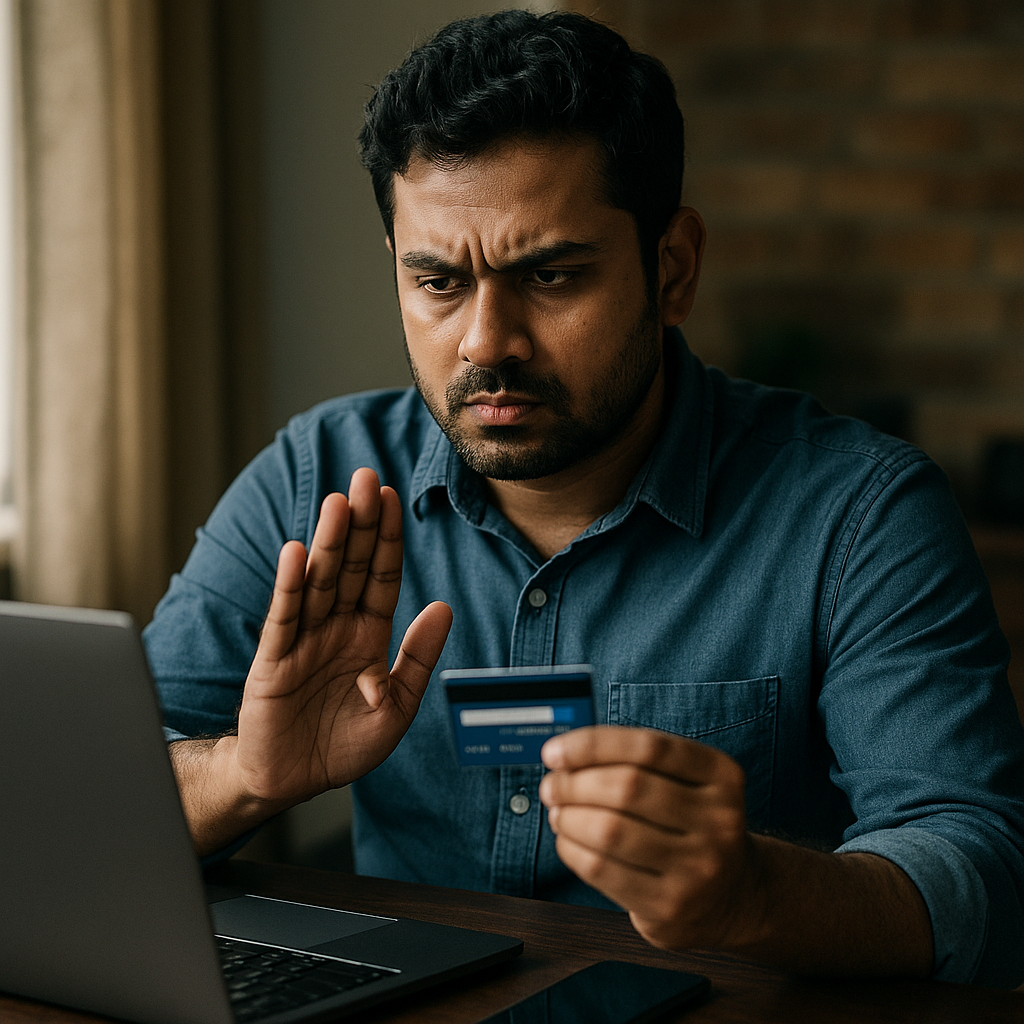
Credit card fraud is a growing concern for consumers in India, exacerbated by the increasing reliance on digital transactions. The Reserve Bank of India (RBI) has recognized the urgency of this issue and is taking steps to address it. Understanding the nature of these scams and how to protect oneself is crucial for every cardholder.
Recent Incidents Highlighting the Issue
Several high-profile cases have underscored the prevalence of credit card fraud in India. For example, a techie was duped of ₹14.6 lakh, illustrating the significant financial impact such frauds can have (The Hindu). In another tragic incident, a family faced severe consequences linked to credit card fraud, highlighting the emotional toll beyond financial loss (NDTV). These cases serve as stark reminders of the need for vigilance and preventive measures.
RBI's Efforts to Combat Digital Fraud
The RBI has been actively working to combat digital fraud. According to a BBC report, the central bank is stepping up its efforts, although specific measures are not detailed. This initiative is a positive step in ensuring consumer protection, but consumers must remain informed and proactive.
Common Methods of Credit Card Fraud
- Phishing: Fraudsters often use emails or messages that appear to be from legitimate sources to steal personal information.
- Skimming: Devices are used to capture card information during transactions.
- Identity Theft: Personal information is stolen to make unauthorized transactions.
- Card Not Present Fraud: Online transactions without physical card verification pose a significant risk.
Tips to Protect Yourself
Here are some practical steps you can take to safeguard against credit card fraud:
- Monitor Your Statements: Regularly check your credit card statements for any unauthorized transactions.
- Secure Your Information: Use strong passwords and avoid sharing personal information online.
- Enable Alerts: Set up transaction alerts to notify you of any activity on your card.
- Be Cautious Online: Only shop on secure websites and avoid clicking on suspicious links.
- Report Suspicious Activity: Immediately report any unauthorized transactions to your bank.
Legal Recourse and Consumer Rights
In cases of fraud, consumers have legal recourse. For example, the Delhi High Court directed Citibank to pay costs to a customer for a fraud incident, highlighting the importance of consumer rights (LawBeat). Understanding your rights can help you navigate such situations effectively. Legal outcomes like these underscore the necessity of being informed about consumer protection laws.
Why It Matters
Credit card fraud can have devastating effects on individuals and families, both financially and emotionally. As digital transactions become more common, the risk of fraud increases. Consumers must be aware of the methods used by fraudsters and take proactive steps to protect themselves. The RBI's involvement indicates the seriousness of the issue, but individual vigilance remains crucial.
Limitations and Challenges
While the RBI's initiatives are promising, there are limitations. Specific measures and their effectiveness are not always transparent, leaving consumers to rely on their vigilance. Additionally, fraudsters continually evolve their tactics, making it challenging for authorities to keep pace. Consumers should be aware of these limitations and remain proactive in their security measures.
What Readers Should Watch Next
Readers should stay informed about updates from the RBI and other financial institutions regarding fraud prevention strategies. Regularly checking for new guidelines and recommendations can help consumers stay ahead of potential threats. Additionally, staying informed about legal cases related to fraud can provide insights into consumer rights and protections.
Sources and Method
This article is based on information from reliable sources such as the BBC, The Hindu, and LawBeat. These articles provide insights into recent fraud cases and legal outcomes.
Practical Takeaway
Protecting yourself from credit card fraud requires vigilance and proactive measures. By staying informed, monitoring your transactions, and knowing your rights, you can significantly reduce the risk of becoming a victim. Always report suspicious activity promptly and keep abreast of updates from financial authorities.
Additional source links:
Why this matters
For readers following Protect Yourself from Credit Card Fraud: Essential Tips for Indian Consumers, the useful takeaway is not just the headline. The important part is understanding what the available report confirms, what it leaves open, and why later updates may change the picture.
This article keeps the wording cautious because the source material is the factual boundary. The added context is meant to help readers understand the development without turning early information into unsupported claims.
Comments
Post a Comment