Introduction: Understanding the CSAS Portal
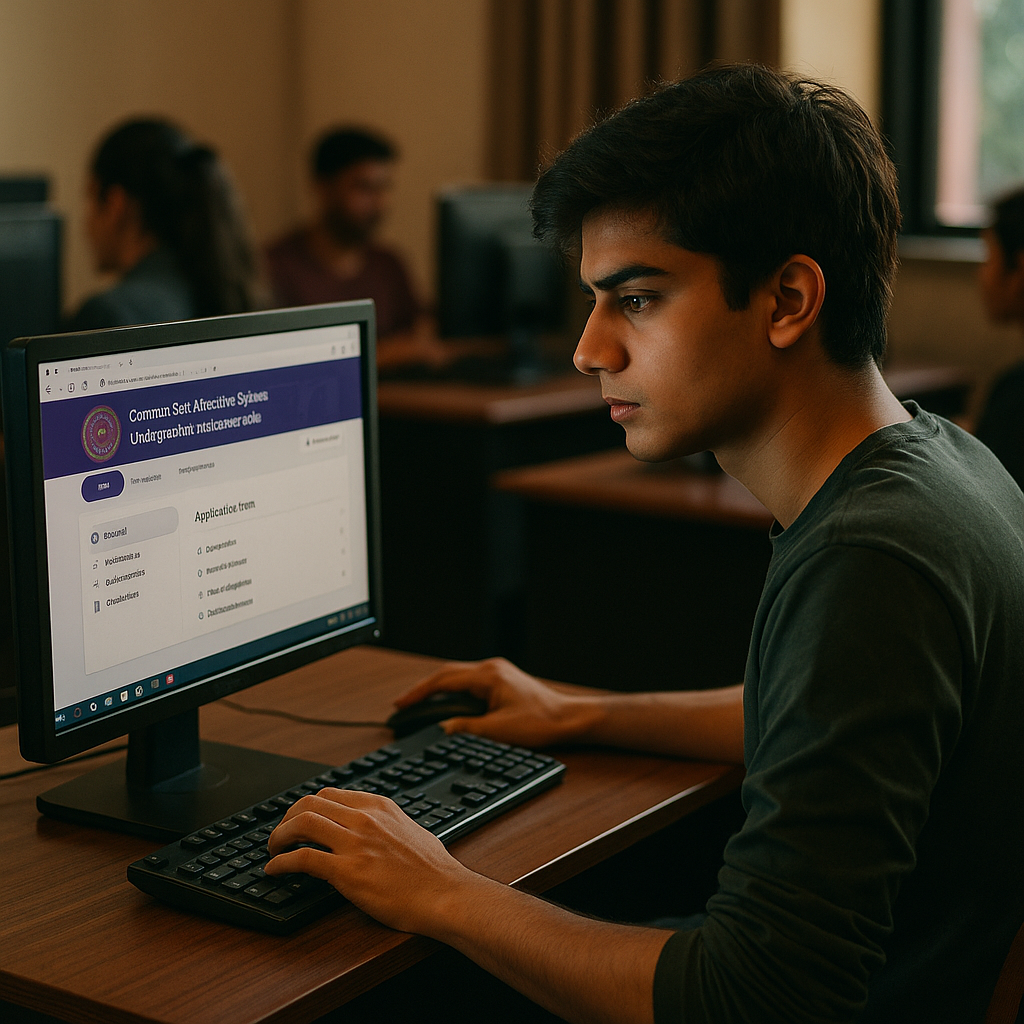
Delhi University's undergraduate admissions process for 2026 is underway, with over 1.9 lakh students already registered. As the university prepares for its first seat allotment, understanding how to navigate the Common Seat Allocation System (CSAS) portal is crucial for prospective students. This guide aims to help students, parents, and educators make the most of the CSAS portal.
Background of the CSAS Portal
The Common Seat Allocation System (CSAS) was introduced to streamline the admissions process for Delhi University. Prior to its implementation, the admissions process was fragmented, leading to confusion and inefficiencies. The CSAS portal consolidates various steps into a single platform, making it easier for applicants to manage their applications and for the university to handle the large volume of candidates.
Key Features of the CSAS Portal
The CSAS portal is designed to simplify the application process for Delhi University's undergraduate programs. Here are some of its key features:
- User-Friendly Interface: The portal offers a straightforward interface that allows applicants to easily input their details and preferences.
- Real-Time Updates: Students receive timely notifications about important deadlines and seat allotment results.
- Document Upload: Applicants can upload necessary documents directly onto the portal, simplifying the verification process.
- Preference Filling: The portal allows students to list their preferred courses and colleges, which is crucial during the seat allocation process.
Important Deadlines
With the first seat allotment scheduled for July 16, 2026, students must be aware of the following deadlines:
- Registration Closing: The CSAS registration is set to close soon, although the exact date has not been specified in the sources.
- Document Submission: Ensure all required documents are uploaded before the registration deadline to avoid any delays.
- Seat Allotment: The first list will be released on July 16, 2026, and students should be prepared to act quickly upon receiving their allotment.
Why It Matters
The introduction of the CSAS portal is significant for several reasons. It reduces the administrative burden on both students and the university by centralizing the application process. This system also enhances transparency, as students can track their application status and receive updates in real-time. Additionally, the portal's ability to handle a large number of applications efficiently is crucial given the high competition for seats at Delhi University.
Tips for a Successful Application
Here are some practical tips to enhance your application process:
- Start Early: Begin the registration process as soon as possible to avoid last-minute issues.
- Check Requirements: Ensure you have all necessary documents ready for upload, such as identity proof, previous academic records, and category certificates if applicable.
- Prioritize Preferences: Carefully consider your course and college preferences, as these will play a significant role in the seat allotment process.
- Stay Informed: Regularly check the portal for updates and notifications regarding the admission process.
Challenges Faced by DU
With over 1.9 lakh registrations for 71,624 seats, Delhi University faces several challenges:
- High Competition: The sheer volume of applicants means that competition for seats is intense, requiring efficient management and allocation strategies.
- Resource Management: Ensuring that all applicants receive timely responses and support during the process can strain university resources.
- Technical Issues: High traffic on the portal could lead to technical glitches, affecting users' ability to complete their applications smoothly.
Limitations of the CSAS Portal
While the CSAS portal offers numerous advantages, there are limitations to consider. Technical issues can arise due to high traffic, potentially causing delays or disruptions. Additionally, the portal's reliance on digital access may disadvantage students with limited internet connectivity or technical skills. It's crucial for the university to provide adequate support and resources to address these challenges.
What Readers Should Watch Next
As the DU UG admissions process progresses, staying informed and prepared is essential. Prospective students should monitor the CSAS portal for updates and be ready to respond promptly to seat allotment results. Additionally, keeping an eye on any announcements from Delhi University regarding changes or updates to the admission process will be beneficial.
Sources and Method
Our analysis is based on multiple reputable sources confirming the registration numbers and deadlines:
Additional source links:
Why this matters
For readers following Navigating the CSAS Portal for DU UG Admissions 2026: A Comprehensive Guide, the useful takeaway is not just the headline. The important part is understanding what the available report confirms, what it leaves open, and why later updates may change the picture.
This article keeps the wording cautious because the source material is the factual boundary. The added context is meant to help readers understand the development without turning early information into unsupported claims.
Comments
Post a Comment