Indian Army's Strategic Advancements: Post-Operation Sindoor
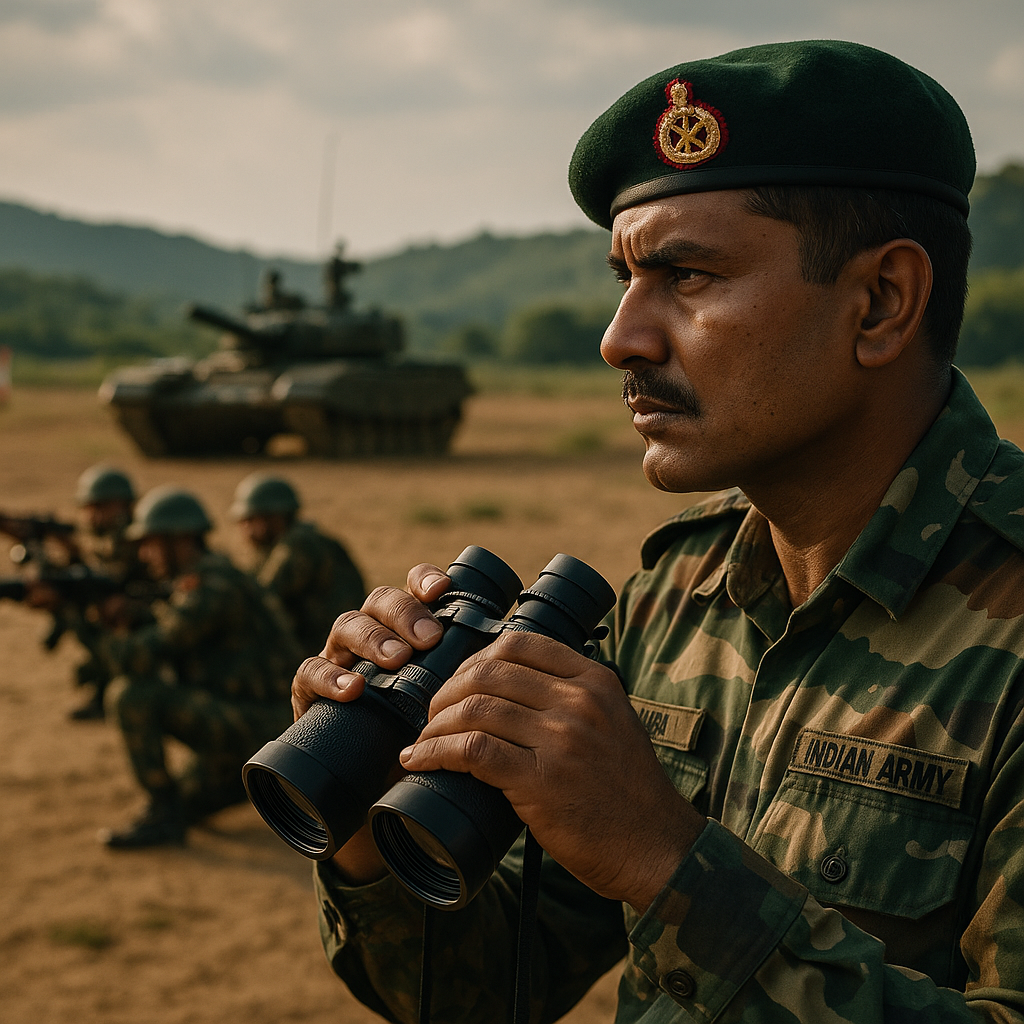
The Indian Army has been actively enhancing its strategic capabilities and readiness, particularly following Operation Sindoor. This operation has seemingly marked a pivotal point in the Army's approach to national defense, especially concerning the Punjab border's security arrangements. In this article, we delve into the recent initiatives and modernization efforts that have been undertaken by the Indian Army to bolster its defense mechanisms.
Heightened Alertness at the Punjab Border
Following Operation Sindoor, the Indian Army has ramped up its preparedness along the Punjab border. This move is part of a broader strategy to ensure robust defense against any potential threats. The increased vigilance is crucial given the reported massing of 120 terrorists at the Line of Control (LoC) and a buildup of Pakistani troops, as highlighted in recent reports from India Today.
Technological Enhancements and Deployment
While specific technologies employed at the Punjab border remain undisclosed, the term 'Iron Dome' has been used to describe the fortified defense strategy. This suggests a focus on advanced surveillance and interception capabilities, although the exact nature of these technologies has not been detailed in available sources. The use of such terminology indicates a strategic emphasis on protecting the border from aerial and ground threats.
Operation Sindoor: Objectives and Outcomes
Operation Sindoor has been a significant milestone for the Indian Army, yet details regarding its objectives and outcomes are sparse. The operation appears to have been a catalyst for increased military readiness and strategic deployment, but further specifics are necessary to fully understand its impact. This operation is believed to have involved tactical deployments aimed at strengthening border security and counter-terrorism measures.
Prime Minister Modi's Role in Boosting Morale
During the Army Day celebrations, Prime Minister Modi played a key role in uplifting the morale of the Indian Army. His involvement underscores the importance of political support in military operations and the overall defense strategy of the nation. The Prime Minister's speeches and engagements with the troops are pivotal in reinforcing the commitment to national security.
Challenges at the Line of Control (LoC)
The LoC remains a critical area of concern for the Indian Army. The presence of terrorists and the buildup of Pakistani troops necessitate a high level of alertness and strategic planning. This situation is a stark reminder of the ongoing tensions and the need for continuous vigilance. The Indian Army's response to these challenges involves both defensive and offensive strategies to maintain peace and security.
Impact of Regional Geopolitical Dynamics
Regional dynamics, including Türkiye's expanding influence in India's neighborhood, add layers of complexity to the security environment. Such geopolitical shifts require the Indian Army to adapt and respond to evolving threats and alliances. The presence of foreign influence in neighboring countries can affect India's strategic calculations and necessitate adjustments in defense policies.
Background: Understanding Operation Sindoor
Operation Sindoor was launched as a strategic initiative to enhance India's defensive posture. Although details are limited, it is understood to involve a series of tactical deployments aimed at strengthening border security and counter-terrorism measures. The operation's name itself suggests a focus on protective measures, akin to the symbolic use of sindoor in Indian culture, representing safety and security.
What Changed After Operation Sindoor?
Post-Operation Sindoor, the Indian Army has reportedly increased its focus on technological upgrades and strategic deployments. This includes the implementation of advanced surveillance systems and the strengthening of rapid response units. The operation has also highlighted the need for enhanced coordination between different branches of the military and intelligence agencies.
Why It Matters: Implications for National Security
The initiatives undertaken post-Operation Sindoor are crucial for maintaining national security in a volatile regional context. The heightened alertness and technological advancements serve as deterrents against potential threats, ensuring that the Indian Army is well-prepared to respond to any incursions or escalations along its borders.
Limitations and Areas for Improvement
Despite the advancements, there are limitations in the current strategy. The lack of publicly available information on specific technologies and strategic plans can lead to speculation and misinformation. Additionally, continuous updates and transparency in military operations can help build public trust and support.
What Readers Should Watch Next
- Stay informed about defense updates and strategic initiatives by following reliable news sources.
- Recognize the importance of military readiness in safeguarding national security.
- Consider the impact of geopolitical changes on regional security dynamics.
Sources and Method
For this analysis, information was gathered from several reputable sources, including AajTak and India Today. These sources provide insights into the Army's current strategies and challenges.
Additional source links:
Comments
Post a Comment