India's Employment Landscape: Opportunities and Challenges
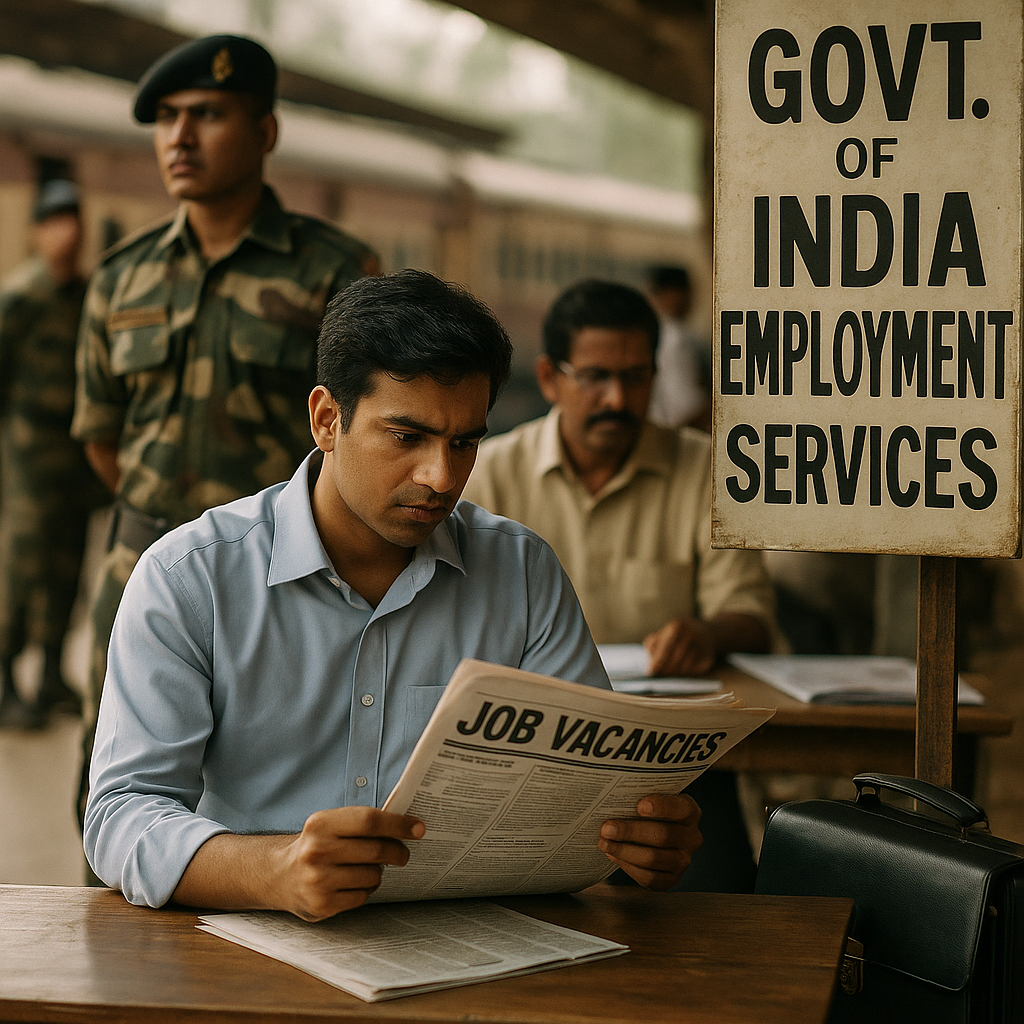
India's economic growth is intricately linked to its employment landscape. As the nation strives to become a self-reliant powerhouse, job creation and employment generation are crucial components of this journey. Union Minister Dr. Mansukh Mandaviya has highlighted these elements as key pillars for building a strong, self-sufficient India. However, the specifics of these initiatives and their impact on various sectors remain somewhat elusive, necessitating a deeper exploration.
Government Initiatives for Job Creation
The Indian government has introduced several schemes aimed at enhancing employment opportunities. These include skill development programs, incentives for startups, and investments in infrastructure projects. While these efforts are commendable, the effectiveness of these initiatives in creating sustainable jobs across diverse sectors is yet to be fully assessed. For instance, skill development programs aim to bridge the gap between education and industry needs, but their success largely depends on the quality of training and alignment with market demands.
Sector-Wise Employment Opportunities
The employment landscape in India varies significantly across sectors. The technology sector, for example, continues to offer robust opportunities, particularly in areas like artificial intelligence (AI) and software development. On the other hand, traditional sectors such as agriculture and manufacturing are undergoing transformations that could affect job availability. The agricultural sector is increasingly adopting technology, which may reduce the need for manual labor but create new roles in tech support and management.
The Role of AI in Employment
Artificial intelligence is reshaping job roles across industries. While there are concerns about job losses due to automation, AI also presents new opportunities for skilled professionals. BusinessLine highlights India's unique approach to integrating AI into its employment strategy, suggesting a potential for job creation rather than mere displacement. This involves developing AI-driven solutions that complement human skills rather than replace them.
Balancing Lifestyle and Career Choices
Recent debates have surfaced regarding lifestyle versus career choices, as illustrated by a viral story of an individual choosing India's lifestyle comforts over a lucrative U.S. job offer. This highlights the growing importance of work-life balance and personal preferences in employment decisions. Factors such as proximity to family, cultural familiarity, and quality of life are increasingly influencing career choices.
Challenges in Job Creation
Despite government efforts, challenges persist in creating jobs that match the skill sets of the workforce. The mismatch between education and industry requirements often leads to underemployment or unemployment. Addressing this gap is crucial for optimizing the employment potential in India. Educational institutions and industries need to collaborate more closely to ensure that curricula are aligned with current and future job market needs.
Impact of Global Economic Trends
Global economic trends, including shifts in trade policies and technological advancements, significantly influence India's employment landscape. Staying abreast of these changes is essential for job seekers and policymakers to adapt strategies accordingly. For example, changes in international trade agreements can open or close markets for Indian products, affecting manufacturing and export-related jobs.
What Readers Should Know
- Specific strategies or policies for job creation are not detailed in the current sources.
- The impact of job creation efforts on different sectors remains unclear.
- Understanding the interplay between global trends and local employment opportunities can provide valuable insights.
Practical Takeaway for Job Seekers
For job seekers in India, staying informed about government initiatives and sector-specific opportunities is crucial. Engaging in skill development programs and understanding the impact of technology on job roles can enhance employability. Additionally, considering lifestyle factors alongside career prospects can lead to more fulfilling employment choices. Networking and continuous learning are also important strategies to remain competitive in the job market.
Background: Employment in India
India's workforce is one of the largest in the world, with millions entering the job market each year. The country's demographic dividend presents both opportunities and challenges. While a young workforce can drive economic growth, it also requires adequate job creation to prevent unemployment and underemployment. The government and private sector must work together to create a conducive environment for job growth.
What Changed: Recent Developments
Recent developments in India's employment landscape include increased focus on technology-driven sectors and government initiatives to support startups. The rise of remote work and gig economy jobs has also changed the employment dynamics, offering more flexibility but also requiring new skills and adaptability from workers.
Why It Matters: Implications for the Future
The focus on job creation and employment generation is crucial for India's economic stability and growth. Sustainable job creation can lead to improved living standards, reduced poverty, and greater social stability. As India navigates global economic uncertainties, a robust employment strategy will be key to maintaining its growth trajectory.
Sources and Method
The analysis is based on several reputable sources, including Akashvani News and BusinessLine. While these sources provide a general overview, they lack detailed data on specific strategies and sectoral impacts.
Additional source links:
Comments
Post a Comment