Understanding Fire Weather Watch: Importance, Implications, and Preparation Tips
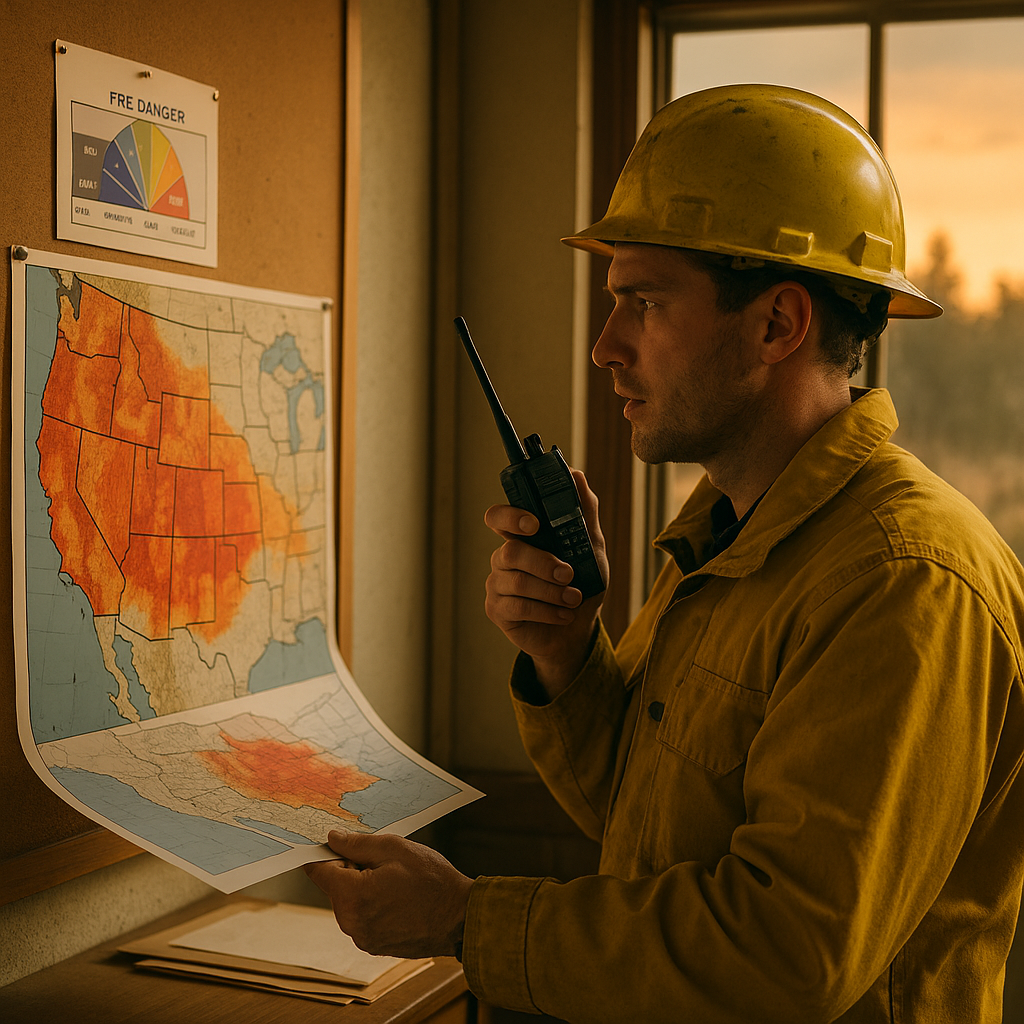
As climate patterns become increasingly erratic, the significance of a Fire Weather Watch has grown. This alert is crucial for residents in wildfire-prone areas, environmental enthusiasts, and public safety officials. It serves as a preemptive measure to safeguard communities and ecosystems from the devastating effects of wildfires. In this article, we delve into the importance of Fire Weather Watches, their implications, and provide practical tips on how to prepare for potential fire hazards.
What is a Fire Weather Watch?
A Fire Weather Watch is issued by meteorological agencies when conditions are favorable for the rapid spread of wildfires. This alert is typically based on forecasts indicating low humidity levels, high temperatures, and strong winds, which together create an environment conducive to fire ignition and propagation. While it does not guarantee that a wildfire will occur, it serves as a warning for heightened vigilance and preparedness.
Why Fire Weather Watches Matter
The importance of Fire Weather Watches lies in their ability to provide early warnings to communities, allowing residents to take precautionary measures before conditions worsen. These alerts help public safety officials coordinate resources and plan for potential evacuations, minimizing the risk to human life and property. Additionally, they play a critical role in protecting natural habitats and wildlife from the destructive impact of fires.
Current Weather Conditions and Implications
According to the World Meteorological Organization, the start of 2026 has been marked by extreme weather conditions, including heat, cold, precipitation, and fires. This trend underscores the need for increased awareness and preparedness among communities. The Indian Meteorological Department (IMD) has issued alerts for heavy rain and thunderstorms in over 20 states, with winds reaching up to 40 kmph. While these conditions may not directly contribute to fire weather, they highlight the unpredictability and volatility of current climate patterns.
How to Prepare for Fire Weather Watch
- Stay Informed: Regularly check weather updates from reliable sources such as the IMD and local news outlets. Pay attention to any changes in fire weather alerts.
- Create a Fire Safety Plan: Develop a comprehensive plan that includes evacuation routes, emergency contacts, and procedures for safeguarding your home and family.
- Clear Vegetation: Remove dry leaves, branches, and other combustible materials from around your property to reduce fire risk.
- Equip Your Home: Install smoke detectors and fire extinguishers in key areas of your home. Ensure everyone in your household knows how to use them.
- Prepare an Emergency Kit: Assemble a kit containing essential items such as water, food, medications, and important documents.
The Role of Public Safety Officials
Public safety officials play a crucial role in managing fire weather watches. They are responsible for disseminating information, coordinating emergency response efforts, and ensuring community preparedness. Their actions can significantly influence the effectiveness of fire prevention and mitigation strategies.
What Readers Should Know
While Fire Weather Watches are an important tool for preparedness, it is essential to understand that they are based on forecasts and not certainties. The specific states affected by these watches are not detailed in the current reports, and the exact impact on local communities remains unclear. Residents should remain vigilant and proactive in their preparedness efforts.
What is Still Unclear
Despite the availability of fire weather alerts, the exact timing and location of potential wildfires cannot be precisely predicted. Additionally, the effectiveness of preparedness measures may vary based on local conditions and resources. Continuous monitoring and adaptation to changing weather patterns are necessary to ensure safety.
Practical Takeaway
Fire Weather Watches serve as a critical alert system for communities at risk of wildfires. By understanding their significance and following preparedness tips, residents can enhance their safety and resilience against fire hazards. Staying informed, creating a fire safety plan, and equipping homes with necessary tools are essential steps in mitigating the risks associated with fire weather conditions.
Sources and Method
For this article, information was gathered from reputable sources including The Times of India and World Meteorological Organization. These sources provide insights into current weather patterns and the implications of fire weather alerts.
Additional source links:
Why this matters
For readers following Understanding Fire Weather Watch: Importance, Implications, and Preparation Tips, the useful takeaway is not just the headline. The important part is understanding what the available report confirms, what it leaves open, and why later updates may change the picture.
This article keeps the wording cautious because the source material is the factual boundary. The added context is meant to help readers understand the development without turning early information into unsupported claims.
Comments
Post a Comment