El Niño's arrival has sparked concerns across India, particularly regarding its effects on the monsoon season and agriculture. This climate phenomenon, characterized by the warming of ocean surface temperatures in the Pacific, has historically disrupted weather patterns globally, including in India. As the monsoon reached Kerala three days later than usual, understanding El Niño's potential impact is crucial for farmers, policymakers, and the general public.
What is El Niño?
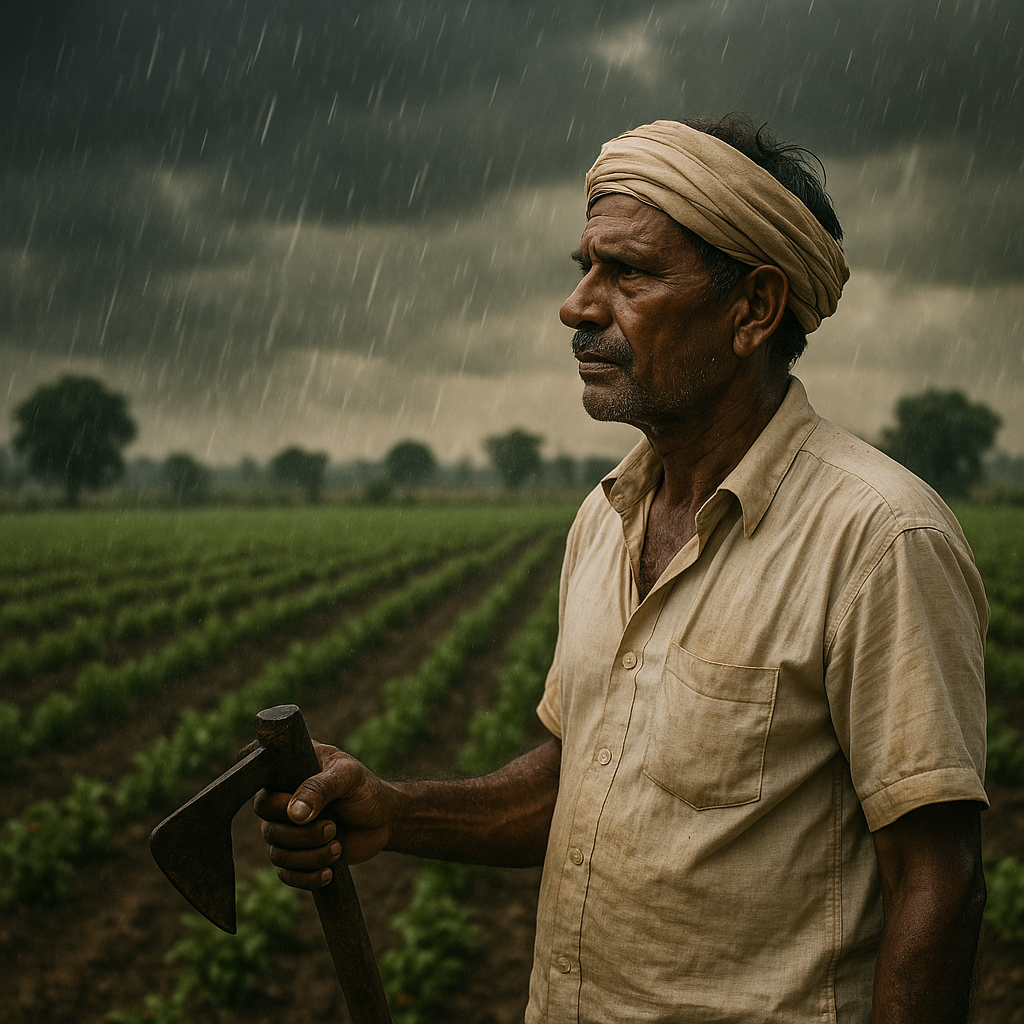
El Niño is a climate pattern that occurs when warm water in the western tropical Pacific Ocean shifts eastward along the equator towards the coast of South America. This shift disrupts normal weather patterns, leading to various impacts globally. In India, El Niño is often associated with weaker monsoon rains, which can have significant effects on agriculture.
Historical Impact of El Niño on India
India's agriculture heavily relies on the monsoon rains, which typically occur from June to September. In previous El Niño events, India has experienced reduced rainfall, leading to drought conditions in some areas. This can result in lower crop yields, affecting food supply and economic stability. For instance, the 2009 El Niño event resulted in a significant reduction in rainfall, causing widespread drought and affecting millions of farmers.
Recent Developments
The current El Niño event has already shown signs of affecting India's monsoon. According to reports, the monsoon arrived in Kerala three days later than expected. While a slight delay might not seem significant, it can indicate broader disruptions in rainfall patterns across the country. Such disruptions can lead to uneven distribution of rainfall, affecting regions differently and complicating agricultural planning.
Potential Agricultural Impacts
For Indian farmers, El Niño can pose serious challenges. Reduced rainfall can lead to water shortages, affecting irrigation and crop growth. Key crops such as rice, wheat, and pulses might see lower yields, impacting both local food security and export potential.
- Rice Production: As a staple food, rice requires consistent water supply. El Niño-induced droughts can severely affect rice paddies.
- Wheat and Pulses: These crops also rely on monsoon rains, and any reduction can lead to decreased production.
- Economic Implications: Lower crop yields can lead to increased prices, affecting both farmers' income and consumer costs.
Policy Considerations
Policymakers need to prepare for potential impacts by investing in irrigation infrastructure and promoting drought-resistant crops. Additionally, providing financial support to farmers affected by reduced yields can help mitigate economic losses. Initiatives such as crop insurance and subsidies for water-efficient technologies can be crucial in supporting the agricultural sector during El Niño events.
Why It Matters
The implications of El Niño extend beyond agriculture, affecting the broader economy and food security. With agriculture being a significant part of India's GDP, disruptions can influence economic growth and stability. Moreover, food shortages can lead to increased imports, affecting trade balances and putting pressure on national resources.
Limitations and Uncertainties
While the current El Niño is confirmed, its full impact on India's monsoon and agriculture remains uncertain. Weather predictions can vary, and while historical data suggests potential disruptions, the exact outcomes can differ. Factors such as local weather patterns and global climate changes can influence the severity of El Niño's effects.
What Readers Should Watch Next
Monitoring weather updates and government advisories is crucial for staying informed. Farmers and policymakers should keep an eye on the development of the monsoon season and prepare adaptive strategies. Additionally, tracking global climate patterns can provide insights into potential future impacts.
Sources and Method
Our analysis is based on reports from reputable sources such as The Times of India and The Indian Express. These sources provide insights into the current El Niño event and its potential implications for India's weather and agriculture.
Practical Takeaway: For farmers and policymakers, staying informed and preparing for possible impacts is essential. Monitoring weather forecasts and adapting strategies can help mitigate potential challenges posed by El Niño.
Additional source links:
Why this matters
For readers following Understanding El Niño's Impact on India's Monsoon and Agriculture, the useful takeaway is not just the headline. The important part is understanding what the available report confirms, what it leaves open, and why later updates may change the picture.
This article keeps the wording cautious because the source material is the factual boundary. The added context is meant to help readers understand the development without turning early information into unsupported claims.
Comments
Post a Comment