Understanding the Tiruvallur Ammonia Gas Leak Incident
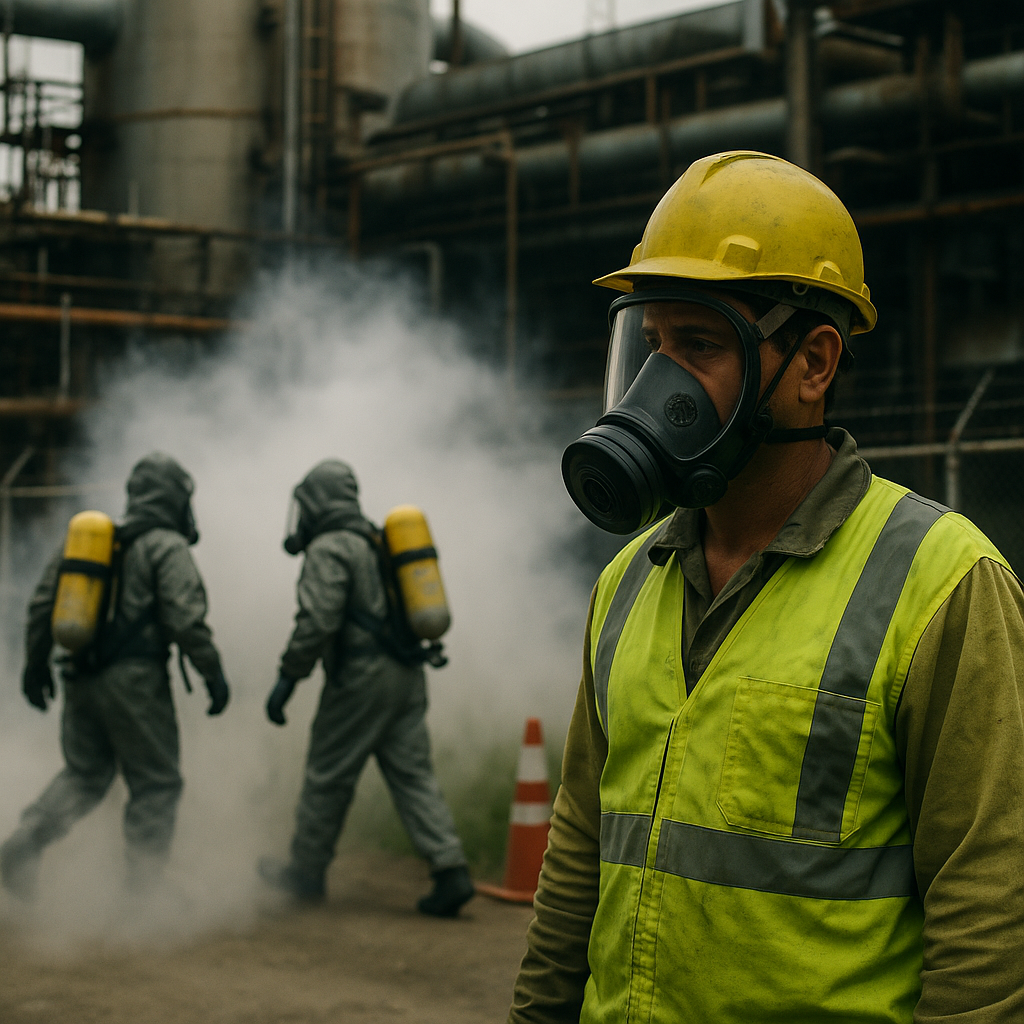
The recent ammonia gas leak in Tiruvallur, Tamil Nadu, has raised significant concerns about industrial safety and the health of workers and residents in the area. Reports indicate that the leak occurred at a seafood export unit, leading to multiple fatalities and hospitalizations. However, discrepancies in the reported figures highlight the need for clarity and comprehensive safety measures.
Background of the Incident
Ammonia is widely used in industrial processes, including refrigeration in seafood export units. The Tiruvallur incident underscores the potential hazards associated with industrial ammonia use. The leak occurred at a seafood export facility, a critical node in the supply chain, emphasizing the need for stringent safety protocols in such environments.
Conflicting Reports on Casualties
Various news outlets have reported different numbers of casualties and hospitalizations due to the ammonia leak. According to NDTV, the incident resulted in 2 deaths and 46 hospitalizations. Meanwhile, India Today reports 2 deaths with over 65 critical cases, while The Indian Express and The Times of India report 7 deaths and over 40 hospitalizations.
Immediate Health Implications
Ammonia gas exposure can have severe health effects, particularly in high concentrations. Symptoms may include respiratory distress, irritation of the eyes, nose, and throat, and, in severe cases, damage to the lungs. Workers and residents in the vicinity of the leak are at risk, necessitating urgent medical evaluation and intervention.
Safety Guidelines for Residents and Workers
In the wake of such incidents, it is crucial for both workers and residents to be aware of safety protocols to minimize risks. Here are some guidelines to follow:
- Evacuation: Follow official evacuation orders promptly and move to designated safe zones.
- Protective Gear: Use masks and protective eyewear to reduce exposure to harmful gases.
- Ventilation: Ensure proper ventilation in enclosed spaces to disperse any lingering gas.
- Medical Attention: Seek immediate medical attention if experiencing symptoms of gas exposure.
- Stay Informed: Keep updated with official announcements and safety instructions from local authorities.
Official Responses and Investigations
The Chief Minister of Tamil Nadu, Vijay, has ordered an investigation into the incident to determine the cause of the leak and prevent future occurrences. This step is crucial in addressing the safety lapses and ensuring accountability. The findings of this investigation will be pivotal in shaping future industrial safety regulations.
Why It Matters
Industrial accidents like the Tiruvallur ammonia leak highlight the importance of robust safety measures and emergency preparedness. They serve as a reminder of the potential risks associated with industrial operations and the need for continuous monitoring and improvement of safety standards.
Limitations and Challenges
Despite the reports, the exact cause of the ammonia leak has not been detailed in the available sources. Additionally, the discrepancies in casualty and hospitalization numbers highlight the need for a unified and transparent communication strategy from authorities to provide accurate information to the public.
What Readers Should Watch Next
As investigations proceed, readers should watch for updates on the findings and any changes in safety regulations that may result. It is also important to stay informed about safety practices and emergency procedures in industrial settings.
Sources and Method
This analysis is based on reports from multiple reliable sources, including NDTV, India Today, The Indian Express, DT Next, and The Times of India. These sources provide a comprehensive overview of the incident and its implications.
Why this matters
For readers following Tiruvallur Ammonia Gas Leak: Understanding Safety Concerns and Health Implications, the useful takeaway is not just the headline. The important part is understanding what the available report confirms, what it leaves open, and why later updates may change the picture.
This article keeps the wording cautious because the source material is the factual boundary. The added context is meant to help readers understand the development without turning early information into unsupported claims.
What is still unclear
The linked source does not answer every possible follow-up question. Timelines, official responses, wider impact, and next steps may need clearer reporting before readers can treat them as settled facts.
Where the evidence is limited, the safer reading is to treat the current details as a snapshot. That approach protects readers from overconfident summaries and keeps the post useful even as the story develops.
Comments
Post a Comment