The Strategic Significance of the Strait of Hormuz
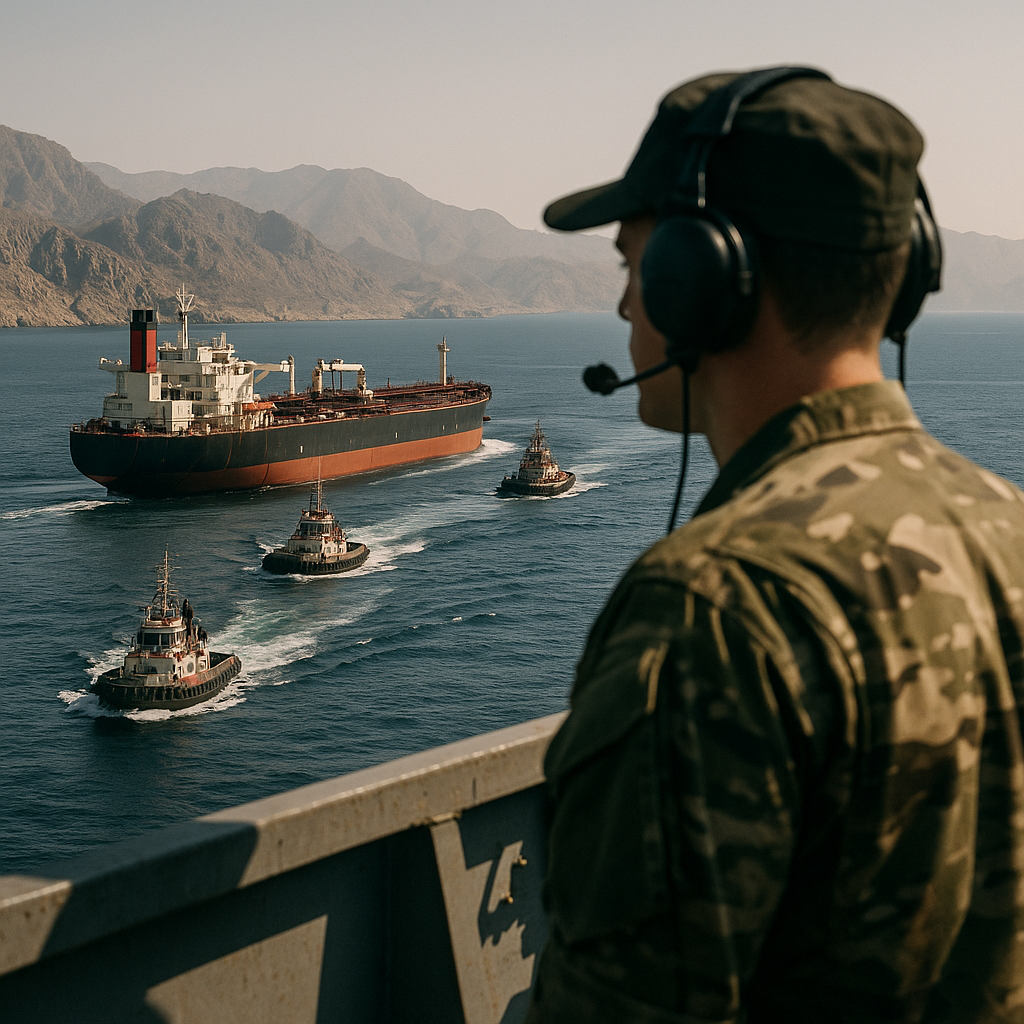
The Strait of Hormuz is one of the most pivotal maritime chokepoints in the world, serving as a crucial artery for global energy supplies. Located between the Persian Gulf and the Gulf of Oman, this narrow passage is a vital transit route for oil tankers carrying nearly one-fifth of the world's oil consumption. Its strategic importance has made it a focal point for geopolitical tensions and international diplomacy.
Background and Historical Context
The strategic significance of the Strait of Hormuz has been recognized for decades. Historically, it has been a critical passageway for oil exports from the Middle East to global markets. The strait's narrow width, at its narrowest point, is only about 21 miles wide, making it susceptible to blockades and military confrontations. This has often placed it at the center of geopolitical tensions, particularly involving Iran and other Gulf states.
Current Developments in the Strait of Hormuz
Recent events have highlighted the vulnerability of the Strait of Hormuz to disruptions. India has condemned attacks on commercial shipping in the region as unacceptable, underscoring the global concern over security in this critical area. Meanwhile, the Directorate General of Shipping (DGS) in India has lifted restrictions on Indian ships navigating through the strait, signaling a shift in policy amid evolving circumstances. (source)
Impact on Global Oil Markets
The Strait of Hormuz's role in the global oil market cannot be overstated. Any disruption in this narrow passage can lead to significant fluctuations in oil prices worldwide. The recent incidents have prompted India to secure crude and LPG supplies through August, ensuring energy stability despite the uncertainties in the region. This proactive approach highlights the strait's critical role in energy security for many countries.
India's Strategic Response
India's response to the tensions in the Strait of Hormuz has been multifaceted. By condemning attacks and securing energy supplies, India aims to mitigate the impact of potential disruptions. The country's proactive measures reflect its reliance on the strait for energy imports and its broader strategic interests in maintaining regional stability. This approach underscores the importance of diplomatic and strategic planning in addressing such geopolitical challenges.
Ships Going Dark: A Mysterious Phenomenon
A notable development has been the trend of India-bound ships "going dark" in the Strait of Hormuz. This term refers to vessels turning off their tracking systems to avoid detection, a tactic often employed to navigate areas of heightened risk. While the precise reasons behind this are not fully detailed, it indicates a cautious approach by shipping companies amid perceived threats. This phenomenon raises questions about maritime security and the measures taken by shipping companies to protect their vessels.
Iran's Role in the Strait
The Strait of Hormuz is not only a commercial passage but also a geopolitical flashpoint, with Iran exerting significant influence over its waters. The nature of the threats from Iran remains partially unclear, but historical tensions and military presence in the region contribute to the complex dynamics affecting shipping and diplomacy. Understanding Iran's strategic interests and actions in the region is crucial for anticipating future developments.
International Diplomacy and Security Concerns
Security in the Strait of Hormuz is a matter of international concern, involving multiple stakeholders. Countries dependent on oil imports from the region, like India, have a vested interest in maintaining open and secure passage. Diplomatic efforts continue to address these security challenges, aiming to prevent escalation and ensure uninterrupted energy flow. International cooperation and dialogue are essential in maintaining stability in this critical region.
What Readers Should Know
While the strategic importance of the Strait of Hormuz is clear, several aspects remain uncertain. The specific reasons for ships going dark and the detailed nature of threats from Iran are not fully explained in available sources. These gaps highlight the need for ongoing monitoring and analysis to understand the evolving situation. Readers interested in geopolitics and international trade should pay close attention to developments in this region.
Practical Takeaway
For those interested in geopolitics and international trade, the Strait of Hormuz serves as a critical case study in the interplay between energy security and diplomacy. Keeping abreast of developments in this region can provide insights into broader global economic trends and international relations. Monitoring reliable news sources and expert analyses will be key to understanding future implications for global markets.
Sources and Method
- India condemns attacks on commercial shipping in Strait of Hormuz - News On AIR
- DGS withdraws restriction on the movement of Indian ships - The Hindu
- India-bound ships go dark - The Indian Express
Additional source links:
Comments
Post a Comment