Understanding the CBSE Class 10 Second Exam
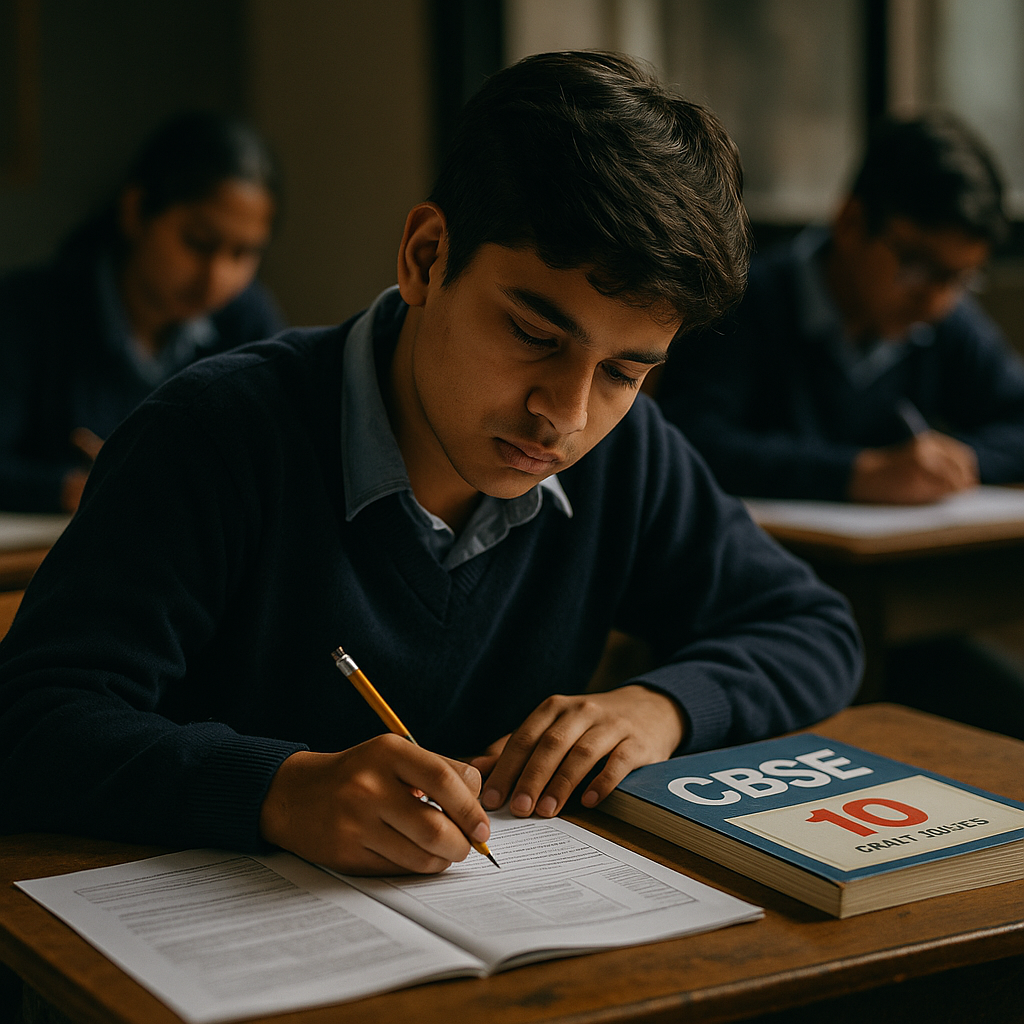
The CBSE Class 10 second exam is a crucial milestone for students in India, marking a significant phase in their academic journey. This examination not only assesses students' understanding of the curriculum but also plays a pivotal role in shaping their future educational opportunities. As the exam period approaches, students, parents, and educators are keenly focused on effective preparation strategies. This guide aims to provide a comprehensive overview of the exam, preparation techniques, and available resources.
Background of the CBSE Class 10 Second Exam
The Central Board of Secondary Education (CBSE) administers the Class 10 exams in two phases: the first term and the second term. The second exam typically encompasses a broader syllabus, requiring students to demonstrate a deeper understanding of their subjects. This phase is particularly important as it significantly contributes to the final grade, influencing students' prospects for higher education.
Official Updates and Expected Results
According to multiple sources, the CBSE Class 10 second board results are anticipated to be announced between June 21-27, 2026. However, the exact date remains unconfirmed by the Central Board of Secondary Education (CBSE). It is advisable for students and parents to regularly check the CBSE official website for the latest updates regarding the results. Staying informed through official channels ensures that students are prepared for any changes or announcements.
Effective Study Tips for Students
- Understand the Syllabus: Familiarize yourself with the complete syllabus to ensure no topic is overlooked. This understanding helps in prioritizing study areas and focusing on key concepts.
- Create a Study Schedule: Develop a realistic timetable that allocates time for each subject based on your strengths and weaknesses. Consistent study habits can improve retention and understanding.
- Practice Previous Papers: Solve past exam papers to understand the question patterns and improve time management skills. This practice can also help in identifying common themes and types of questions.
- Focus on Weak Areas: Identify subjects or topics where you need improvement and dedicate extra time to mastering them. Tailoring your study plan to address weaknesses can lead to better performance.
- Utilize Online Resources: Platforms like Khan Academy and BYJU'S offer valuable resources and tutorials for various subjects. These resources can provide additional explanations and examples to reinforce learning.
Resources for Exam Preparation
Several online platforms and resources can aid in exam preparation:
- NCERT Books: These are the primary textbooks recommended by CBSE and should be thoroughly studied. They provide a comprehensive overview of the curriculum.
- Online Tutorials: Websites such as TopperLearning and Meritnation provide detailed video lessons and practice tests. These can be particularly useful for visual learners.
- Mobile Apps: Educational apps like Unacademy and Vedantu offer interactive sessions and live classes. These apps can facilitate real-time interaction with educators and peers.
Managing Exam Stress
Exam stress can be overwhelming, but managing it effectively is crucial for optimal performance:
- Regular Breaks: Take short breaks during study sessions to refresh your mind. This can prevent burnout and maintain focus.
- Healthy Lifestyle: Maintain a balanced diet and ensure adequate sleep to keep your body and mind energized. Physical well-being is closely linked to cognitive performance.
- Mindfulness Techniques: Practice meditation or deep breathing exercises to reduce anxiety. These techniques can enhance concentration and calmness.
Parental Support and Guidance
Parents play a vital role in supporting their children during exam preparation:
- Encourage Positive Thinking: Motivate your child to stay positive and confident in their abilities. Positive reinforcement can boost self-esteem and motivation.
- Provide a Conducive Environment: Ensure a quiet and comfortable study space free from distractions. A well-organized study area can improve focus and productivity.
- Monitor Progress: Regularly check on your child's progress and offer help when needed. Being involved in their preparation can provide emotional support and guidance.
What Readers Should Watch Next
As the exam approaches, students should pay attention to any updates from CBSE regarding changes to the examination process or results. Additionally, exploring new study techniques and resources can be beneficial. Staying informed through official channels will ensure students are prepared for any eventualities.
Sources and Method
The information provided in this article is sourced from reputable publications, including CBSE, The Indian Express, PW, and NDTV. These sources provide consistent information about the expected result dates but lack detailed insights into the examination process or outcomes.
Practical Takeaway for Students
As students prepare for the CBSE Class 10 second exam, focusing on a structured study plan, utilizing available resources, and managing stress effectively are vital for success. Staying informed through official channels will ensure you are updated with the latest information regarding the exam results.
Comments
Post a Comment