Introduction to the F-1 Visa Process
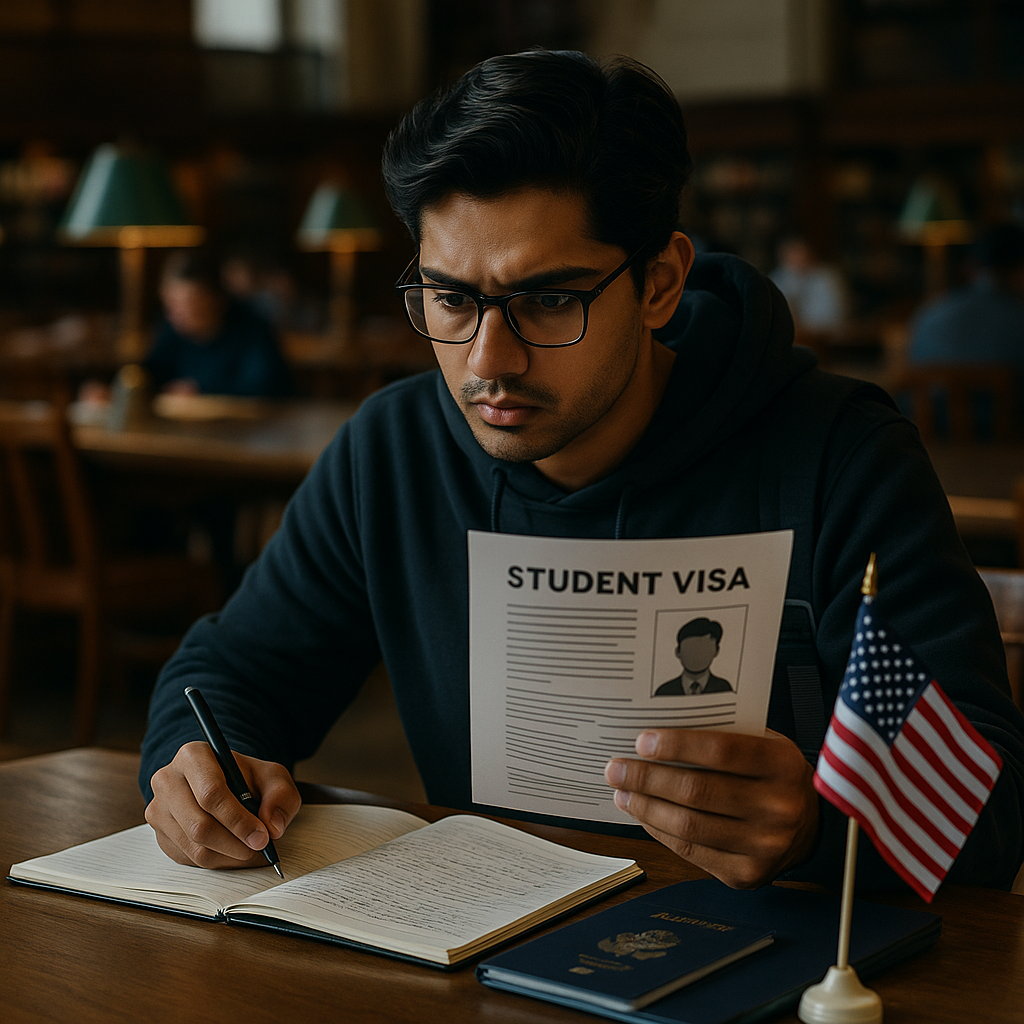
The F-1 visa is a non-immigrant student visa that allows international students to pursue academic studies in the United States. For Indian students, this visa serves as a crucial gateway to accessing world-class education and opportunities. However, recent changes in U.S. visa policies have introduced new challenges and considerations for applicants, making it essential to stay informed and prepared.
Background on the F-1 Visa
The F-1 visa is designed for students who wish to enroll in a full-time academic program at an accredited U.S. institution. It requires students to maintain their enrollment and adhere to specific guidelines, such as not engaging in unauthorized work. This visa is popular among Indian students due to the high quality of education and diverse opportunities available in the U.S.
Recent Changes in F-1 Visa Policies
Several significant updates have emerged regarding the F-1 visa, creating a buzz among prospective Indian students:
- Visa Expiry Dates: The U.S. is considering implementing expiry dates on student visas, which could affect the duration students can remain in the country without renewing their visa.
- 4-Year Cap: A proposed rule might impose a four-year limit on student visas, which could complicate long-term academic programs.
These changes are part of a broader effort to tighten immigration policies, impacting how students plan their education in the U.S.
Why These Changes Matter
The introduction of expiry dates and a four-year cap could significantly alter the academic landscape for Indian students. These measures could affect students pursuing longer courses, such as doctoral programs, which often exceed four years. Additionally, the potential need for visa renewals could introduce logistical challenges and financial burdens.
Implications for Indian Students
These policy shifts could have several implications for Indian students:
- Course Planning: Students may need to carefully select programs that fit within the proposed four-year limit, potentially affecting those interested in longer courses like PhDs.
- Financial Considerations: With potential visa renewals, students might face increased financial burdens due to additional application fees and related costs.
- Academic Flexibility: The changes may require students to be more strategic in their academic planning, potentially limiting their options for switching majors or extending their studies.
Understanding these implications is crucial for making informed decisions about studying in the U.S.
Case Study: Visa Revocation Incident
A recent case involved an Indian student who was sent back from Amsterdam after his F-1 visa was revoked. This incident highlights the importance of staying informed about visa status and changes. The revocation, which occurred in 2025, serves as a cautionary tale for students to regularly check their visa status and comply with all regulations.
Tips for a Successful F-1 Visa Application
To navigate the F-1 visa process successfully, consider the following tips:
- Start Early: Begin your application process well in advance to accommodate any delays or additional requirements.
- Stay Informed: Regularly check for updates on U.S. visa policies and ensure compliance with all requirements.
- Prepare Thoroughly: Gather all necessary documents, including financial proof, academic records, and acceptance letters from U.S. institutions.
- Seek Guidance: Consult with educational consultants or immigration experts to clarify any doubts and receive personalized advice.
What Readers Should Watch Next
While these updates are significant, specific details about how the expiry dates and four-year cap will be implemented remain unclear. Students should monitor announcements from official U.S. government sources for the most accurate information. Keeping an eye on changes in visa policies will be crucial for future applicants.
Sources and Method
This analysis is based on multiple reputable sources, including The Times of India and India Today. These sources provide consistent information on the topic.
Practical Takeaway
Indian students aspiring to study in the U.S. should remain vigilant about policy changes and prepare thoroughly for the visa application process. By staying informed and seeking expert guidance, students can better navigate the complexities of the F-1 visa and ensure a smooth transition to studying abroad.
Additional source links:
Why this matters
For readers following Navigating the F-1 Visa Process for Indian Students: Updates and Insights, the useful takeaway is not just the headline. The important part is understanding what the available report confirms, what it leaves open, and why later updates may change the picture.
This article keeps the wording cautious because the source material is the factual boundary. The added context is meant to help readers understand the development without turning early information into unsupported claims.
Comments
Post a Comment