India vs England: a rivalry shaped by format, form and timing
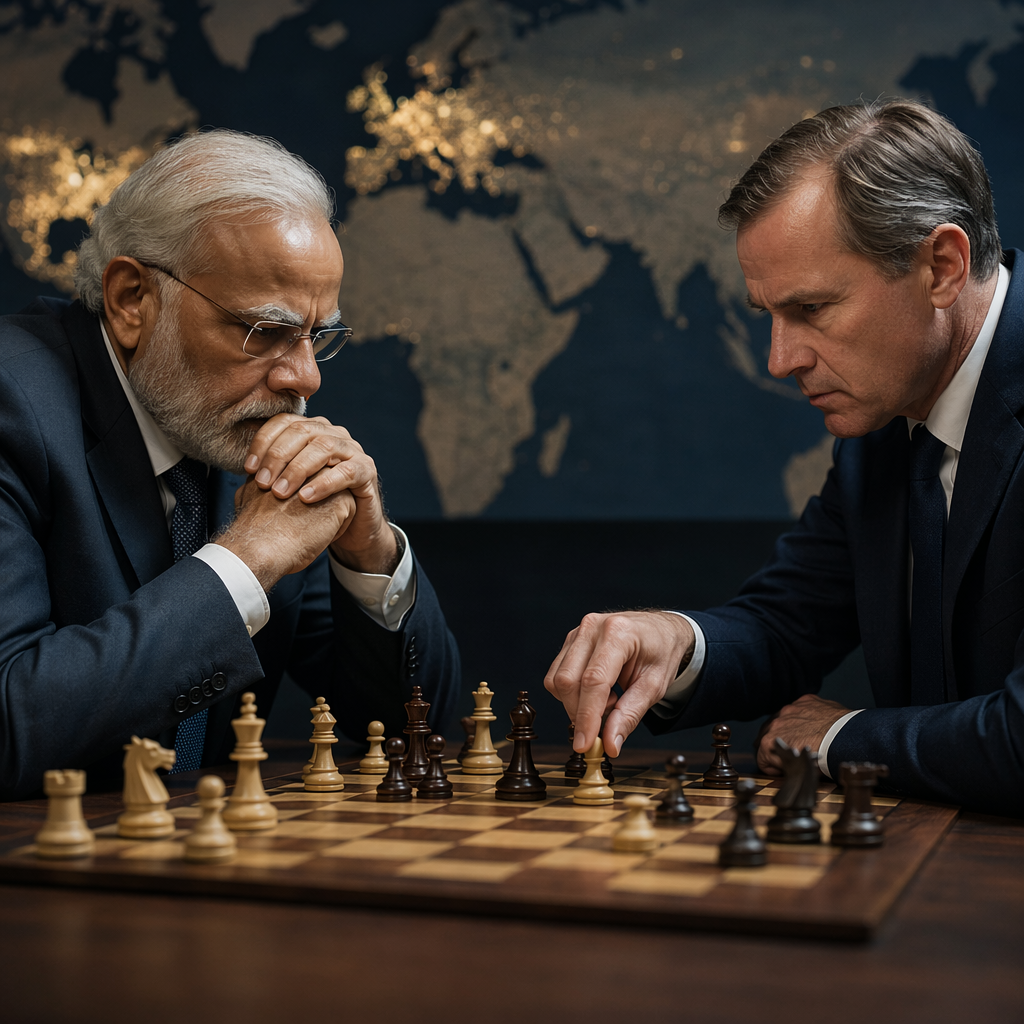
India vs England rarely feels like a routine cricket fixture. In 2024 and 2025, the rivalry has moved through two very different competitive settings: India’s commanding home Test series win early in 2024, and a high-profile meeting in the ICC Men’s T20 World Cup later the same year. Each contest carried a separate sporting meaning, but together they reinforced why the matchup remains one of international cricket’s most closely followed storylines.
The renewed attention is understandable. India and England are not only two of the sport’s largest audiences and commercial centres; they also represent contrasting cricketing identities. India’s recent strength has been built around depth, home dominance, spin resources and an expanding pool of all-format players. England, meanwhile, has spent recent years reshaping how it plays across formats, particularly through aggressive batting in Tests and white-ball cricket.
Search interest around “india vs england” reflects more than a single match. It often points to team selection debates, tournament implications, bilateral series narratives, injury updates, venue conditions and comparisons between two influential cricket systems. The latest trend feed supplied for this article is Google Trends for India, which listed “india vs england” as a trending search topic.
The 2024 Test series set the tone
The most important recent chapter came in the 2024 five-match Test series in India. The Board of Control for Cricket in India and the England and Wales Cricket Board staged the series between January and March 2024 across Hyderabad, Visakhapatnam, Rajkot, Ranchi and Dharamsala. England started strongly by winning the opening Test in Hyderabad, but India responded by taking the next four Tests and winning the series 4-1.
That result was significant for several reasons. It was India’s first home Test series of the new World Test Championship cycle against England, and it tested the hosts after the absence of some senior names for parts of the contest. It also challenged England’s attacking Test style in conditions where spin, reverse swing and lower-order runs often become decisive.
The scoreline tells one story, but the details were more revealing. According to scorecards carried by ESPNcricinfo, India won the second Test in Visakhapatnam by 106 runs, the third Test in Rajkot by 434 runs, the fourth Test in Ranchi by five wickets and the fifth Test in Dharamsala by an innings and 64 runs. England’s only win came in the first Test at Hyderabad, by 28 runs.
For India, the series strengthened the perception of home resilience. For England, it showed both the promise and the limits of a high-risk strategy against elite spin and reverse-swing conditions over a long series.
Key recent facts from 2024
The recent India-England storyline is best understood through a few dated facts from 2024 that can be tied to named cricket bodies and match records:
- January-March 2024: India defeated England 4-1 in a five-Test series in India, according to match records published by ESPNcricinfo and the official boards involved in the tour.
- February 2024: Yashasvi Jaiswal scored double-centuries in consecutive Tests against England, making 209 in Visakhapatnam and 214 not out in Rajkot, as recorded in official match scorecards.
- February 2024: India’s 434-run win over England at Rajkot was one of India’s largest victories by runs in Test cricket, according to match scorecards carried by ESPNcricinfo.
- March 2024: Ravichandran Ashwin played his 100th Test for India in the Dharamsala Test against England, a milestone recorded by the BCCI and match broadcasters.
- June 2024: India defeated England by 68 runs in the ICC Men’s T20 World Cup semi-final in Guyana, according to the International Cricket Council’s tournament scorecard.
How India turned the Test series around
England’s opening win in Hyderabad appeared to validate its aggressive methods. Ollie Pope’s second-innings 196, recorded in the official scorecard, remains one of the outstanding visiting batting performances in India in recent years. Tom Hartley, making his Test debut, took seven wickets in the fourth innings as England overturned a first-innings deficit.
India’s response was decisive. In Visakhapatnam, Jasprit Bumrah’s reverse-swing spell became a turning point, while Jaiswal’s 209 gave India a substantial platform. In Rajkot, India expanded the gap dramatically. Jaiswal’s unbeaten 214 and a strong all-round performance from India’s bowlers produced a 434-run win that shifted the series firmly toward the hosts.
The Ranchi Test was perhaps the most revealing. England were competitive and created pressure, but India’s younger batting group helped complete a fourth-innings chase. Dhruv Jurel’s contributions with the bat, noted in the scorecard and match reports, were widely discussed because they came at a stage when India needed calm lower-order resistance.
By Dharamsala, India had built momentum. The final Test ended by an innings and 64 runs, completing a 4-1 result that looked emphatic after England’s early lead in the series.
England’s approach remains central to the discussion
England’s Test cricket under Ben Stokes and Brendon McCullum has been defined by fast scoring, attacking fields and a willingness to accept risk. Against India in 2024, that style produced moments of success but also periods of vulnerability. The question was not whether England could compete in individual sessions; it was whether they could sustain the method across five Tests in demanding conditions.
That distinction matters in the India vs England rivalry. India has traditionally been hard to beat at home because of surface familiarity, spin depth and lower-order batting contributions. England’s modern approach tries to disrupt that rhythm by refusing to let matches settle into predictable patterns.
The 2024 series showed both teams adapting. India were not simply defensive or conservative. They accelerated when conditions allowed, trusted emerging players and used pace as well as spin to create breakthroughs. England, meanwhile, continued to back its attacking method even when the series moved away from them.
The T20 World Cup meeting added another layer
The rivalry moved from the long form to the shortest international format in June 2024. India and England met in the semi-final of the ICC Men’s T20 World Cup in Guyana. The International Cricket Council’s match scorecard recorded India’s 68-run win, a result that sent India to the final and ended England’s title defence.
The match was important because it came in knockout conditions. India made 171 for 7, while England were bowled out for 103. The result was shaped by India’s bowling discipline and the control of the middle overs, with spinners and seamers both contributing to pressure on England’s chase.
For India, the win was part of a broader unbeaten campaign that culminated in the 2024 T20 World Cup title. For England, it brought a major tournament exit and raised questions about renewal in a team that had been a leading white-ball force for several years.
Why the rivalry keeps drawing public attention
India vs England attracts attention because it operates on multiple levels. There is the cricket itself: batting matchups, spin battles, pace strategy, field settings and selection calls. There is also the wider context: broadcast audiences, tournament stakes and the history between two countries that have shaped the sport’s institutions.
In India, the fixture often becomes a national talking point because England remain one of the most familiar and scrutinized opponents. In England, matches against India carry importance because they test the team against one of cricket’s deepest talent pools and most challenging playing environments.
The rivalry is also format-proof. A Test series can dominate discussion for weeks because of tactics and endurance. A T20 knockout can reshape narratives in a single evening. One-day internationals add another layer because India and England have both invested heavily in aggressive white-ball batting models over the past decade.
Players who shaped the latest phase
Several players stood out in the 2024 meetings. Yashasvi Jaiswal’s Test series against England accelerated his status as one of India’s most important young batters. His double-centuries in Visakhapatnam and Rajkot were not isolated scores; they were innings that changed match direction and placed England under extended scoreboard pressure.
Jasprit Bumrah’s role was equally important. His spell in Visakhapatnam, especially with reverse swing, demonstrated why India’s home strength is no longer defined only by spin. Bumrah’s ability to alter a match on relatively slow surfaces gives India a tactical advantage that many visiting sides struggle to match.
Ravichandran Ashwin’s 100th Test in Dharamsala was another notable moment. Beyond the milestone, his role in home conditions remains central to India’s Test planning. He combines wicket-taking threat with control, and his batting has often extended India’s lower order.
For England, Ollie Pope’s 196 in Hyderabad was the standout performance of the Test series. It was a technically and mentally demanding innings that gave England their only win of the series. Tom Hartley’s debut impact in the same match also showed England’s willingness to back newer players in difficult conditions.
Selection debates are part of the fixture
Few rivalries produce selection debate as quickly as India vs England. For India, questions often focus on the balance between experience and emerging talent, the number of spinners required, and how to fit all-format players into crowded schedules. For England, the debate often centres on batting depth, spin options and whether aggressive methods should be adjusted according to conditions.
Those discussions are amplified because every India-England game is judged through both immediate and long-term lenses. A young player’s innings can become a sign of future planning. A senior player’s failure can trigger debate about succession. A tactical call, such as choosing an extra spinner or a second specialist seamer, can dominate analysis before a ball is bowled.
That is one reason trend interest rises quickly. Fans are not only looking for the score. They are searching for squads, toss updates, pitch reports, injuries, streaming details, records and post-match implications.
What to watch next
The next phase of India vs England will depend on format and venue, but the main themes are already clear. India will continue to test the depth of its batting and bowling resources while managing the workload of all-format players. England will continue to balance its attacking identity with the need for greater consistency in overseas conditions and knockout matches.
In Tests, the contest will remain a measure of whether England’s high-tempo method can succeed over long stretches against India’s control-based strengths. In T20 cricket, both teams will continue adjusting to a format where power hitting, matchup bowling and fielding margins are increasingly decisive.
The rivalry’s staying power comes from that contrast. India vs England is not built on one kind of cricket. It is a recurring examination of skill, adaptability and pressure across formats. The 2024 results gave India the stronger recent record, but England’s capacity to produce disruptive performances ensures that the fixture rarely feels settled for long.
Comments
Post a Comment