Understanding the 2026 Jharkhand Rajya Sabha Elections
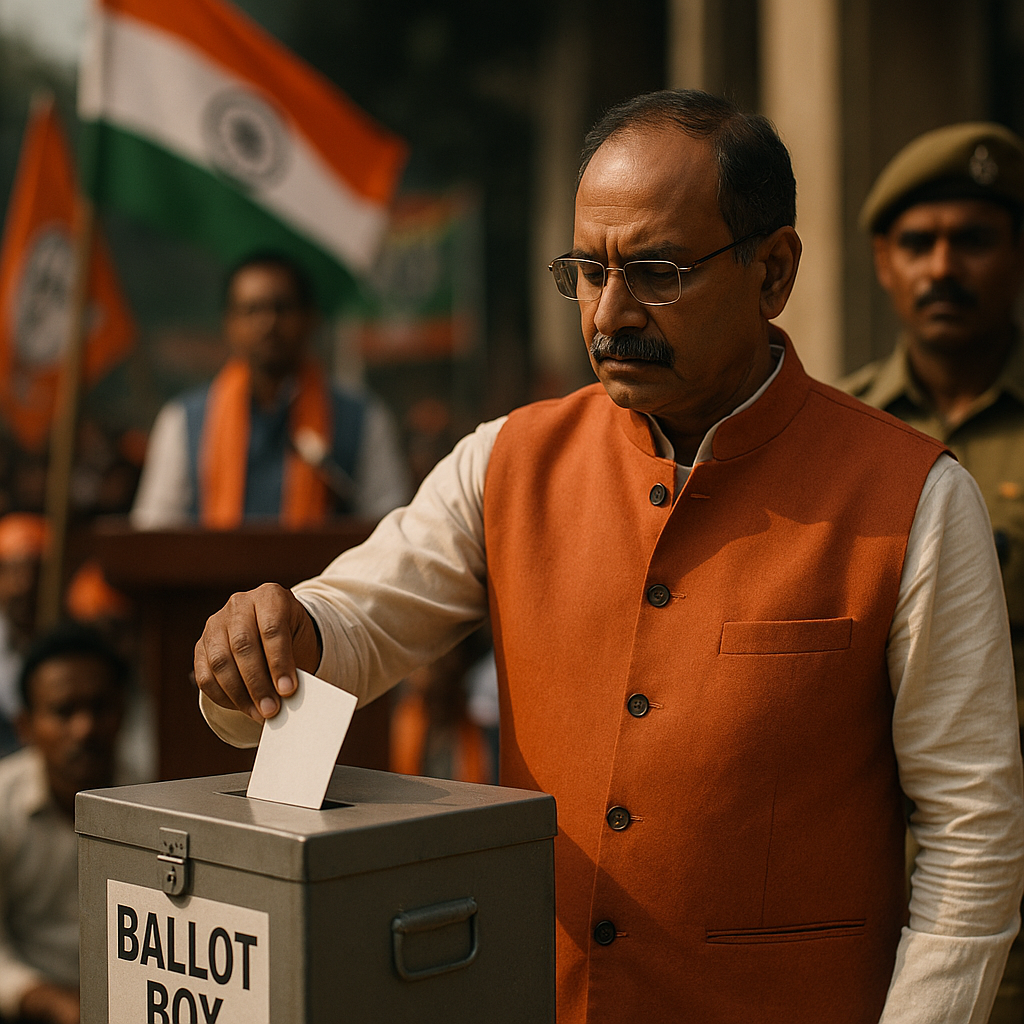
The 2026 Rajya Sabha elections in Jharkhand have captured the attention of political analysts and voters alike. With two seats up for grabs, the election is not just about filling vacancies but also about understanding the shifting political alliances and strategies that could influence both state and national politics.
Background: The Role of the Rajya Sabha
The Rajya Sabha, or the Council of States, is a crucial component of India's bicameral legislature. It plays a vital role in the legislative process, reviewing and amending bills proposed by the Lok Sabha, the lower house. The composition of the Rajya Sabha can significantly influence the passage of legislation, making these elections particularly important for political parties aiming to strengthen their legislative power.
Why This Election Matters
Rajya Sabha elections are crucial as they determine the composition of India's upper house of Parliament, which plays a significant role in legislative processes. For Jharkhand, the election is a litmus test for political parties to gauge their influence and strategize for future elections, including the general elections.
Key Players and Political Dynamics
The election is primarily a contest between the Bharatiya Janata Party (BJP) and the INDIA Bloc, a coalition of opposition parties. The BJP is reportedly aiming for a surprise upset, indicating a competitive and possibly contentious election process. This dynamic reflects broader national trends where regional elections can serve as indicators of national political shifts.
Voting Process and Participation
All 81 Members of the Legislative Assembly (MLAs) in Jharkhand participated in the voting process, underscoring the high stakes and the importance placed on these elections by political entities. The complete participation of MLAs reflects the intense lobbying and strategic planning by parties to secure votes.
Focus on the Second Seat
While both seats are important, there is a particular focus on the second seat. This attention suggests that the outcome for this seat could be more unpredictable or pivotal, potentially affecting the balance of power or the strategic positioning of parties within the state.
BJP's Strategy and Opposition Challenges
The BJP's aim for an upset against the INDIA Bloc highlights its strategic efforts to consolidate power in Jharkhand. This move could be seen as part of a broader national strategy to strengthen its legislative influence. For the opposition, this election is a test of unity and effectiveness in countering the BJP's electoral machinery.
Implications for State Politics
In Jharkhand, the results could influence the political landscape significantly. A win for the BJP might embolden the party to push more aggressively for policy changes at the state level. Conversely, a strong performance by the INDIA Bloc could reinforce the opposition's position and potentially lead to shifts in state governance and policies.
National Political Impact
Beyond Jharkhand, the election results could have ripple effects on national politics. Success for the BJP could bolster its standing in the Rajya Sabha, aiding in the passage of key legislation. For the opposition, a win could serve as a morale booster and a demonstration of viability as a counterforce to the ruling party at the national level.
Limitations and Challenges
Despite the significance of these elections, several challenges remain. The political landscape in Jharkhand is complex, with multiple parties and coalitions vying for influence. Additionally, the outcome of the elections may not immediately translate into legislative success, as coalition dynamics and party alliances can shift rapidly.
What Readers Should Watch Next
While the election process is underway, the outcome remains uncertain. The focus on the second seat and the BJP's strategic maneuvers are key elements to watch. Readers should be aware of the broader implications these results could have on future elections and policy directions in India. Observing post-election alliances and any shifts in party strategies will be crucial in understanding the evolving political landscape.
Sources and Method
The analysis is based on reports from reputable sources including The Hindu, India Today, and The Times of India. These sources provide a comprehensive view of the ongoing elections and their potential implications.
What readers should know
- This report is based on the linked source and avoids claims that are not visible in the available material.
- Details may change as more official information or updated reporting becomes available.
- Readers should treat numbers, timelines, and statements as source-bound context, not personal advice.
Additional source links:
Comments
Post a Comment