Introduction to Vande Bharat Express
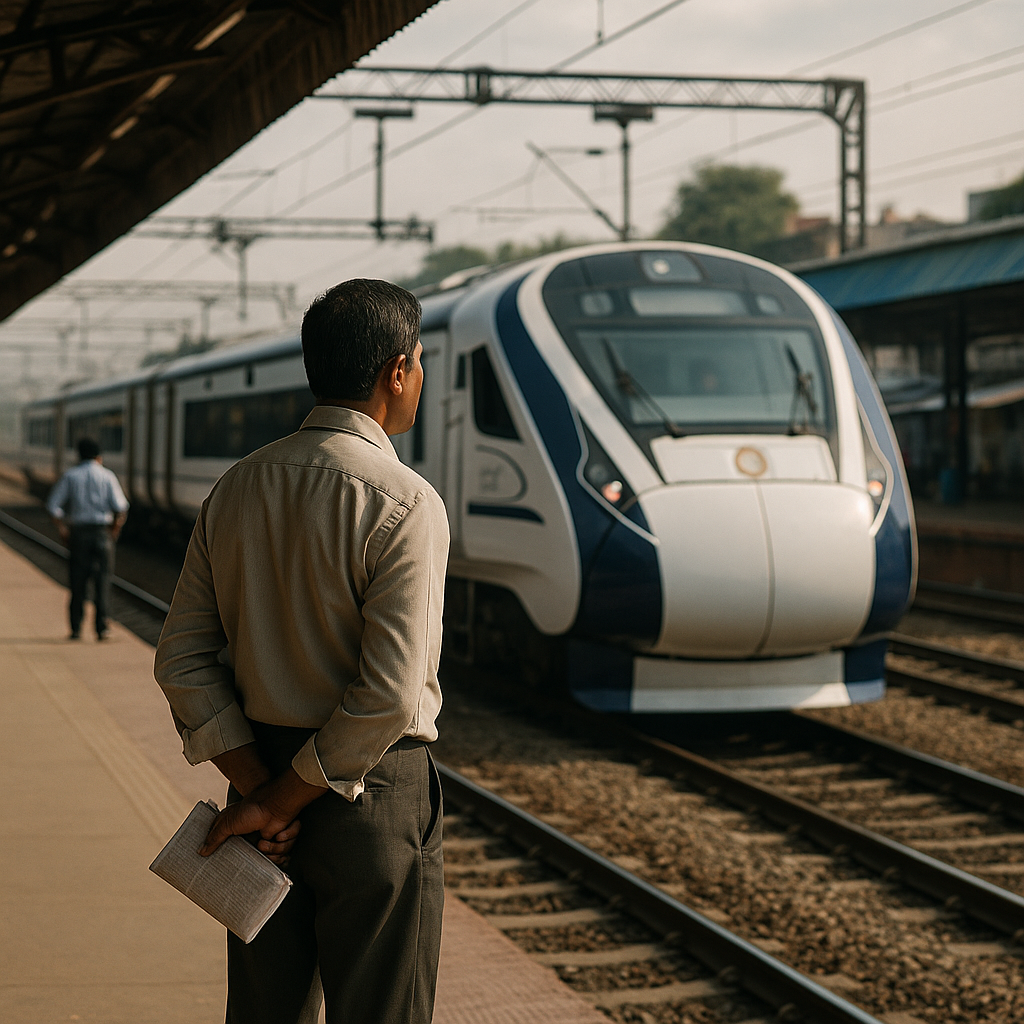
The Vande Bharat Express, India's semi-high-speed train, is reshaping the country's rail travel landscape. As part of India's initiative to modernize its rail infrastructure, the introduction of sleeper versions of these trains promises to enhance long-distance travel comfort. This development marks a significant milestone in India's transportation sector, aiming to boost regional connectivity and stimulate economic growth.
Background and Evolution
Launched in 2019, the Vande Bharat Express, also known as Train 18, represents India's foray into high-speed rail travel. Designed and manufactured domestically, the train showcases India's engineering capabilities. Initially offering daytime services, the recent announcement of sleeper versions marks a new chapter, allowing for overnight travel across significant distances. This evolution reflects the growing demand for efficient and comfortable rail travel options.
Enhancing Regional Connectivity
The expansion of Vande Bharat Express trains, including nine new sleeper versions, is set to improve connectivity between major cities such as Bengaluru, Mumbai, Delhi, and Secunderabad. These routes are crucial corridors for business and tourism, and the enhanced service is expected to facilitate smoother and faster travel. By reducing travel time and increasing comfort, the Vande Bharat Express trains are likely to attract more passengers, thereby strengthening regional ties.
Why It Matters
Improved connectivity between major urban centers can lead to significant socio-economic benefits. Enhanced rail services can reduce travel stress, encourage business collaborations, and promote cultural exchanges. The strategic placement of these routes aims to bridge gaps between key economic hubs, potentially leading to a more integrated national economy.
Economic Implications
Improved rail connectivity often translates into economic benefits. The Vande Bharat Express is anticipated to boost local economies by facilitating trade, tourism, and business travel. With faster and more comfortable travel options, businesses can expand their reach and tourists can explore new destinations, leading to increased spending in local markets. Additionally, the railways themselves create jobs, both directly and indirectly, through construction, maintenance, and service roles.
Potential for Tourism Growth
The Vande Bharat Express, with its modern amenities, is an attractive option for tourists. The introduction of sleeper trains will further enhance this appeal, providing comfortable overnight travel options. This could lead to a rise in domestic tourism, as travelers can easily access diverse regions across India. The train's routes connect several cultural and historical sites, making it a convenient choice for sightseeing and exploration.
Technological Advancements
The Vande Bharat Express represents a leap in rail technology, incorporating features such as automatic doors, onboard Wi-Fi, and GPS-based passenger information systems. These advancements not only improve passenger experience but also set new standards for train travel in India. The sleeper versions are expected to continue this trend, offering enhanced comfort and convenience for long journeys.
Environmental Impact
Rail travel is generally more environmentally friendly compared to road or air travel. The Vande Bharat Express, with its energy-efficient design, contributes to reducing the carbon footprint of transportation in India. As more people opt for rail travel over other modes, the cumulative effect could lead to significant environmental benefits.
Challenges and Considerations
Despite the promising prospects, there are challenges to address. Infrastructure development must keep pace with the expansion of train services to avoid congestion and delays. Additionally, maintaining affordable pricing while ensuring high-quality service is crucial to attract a broad user base. The balance between cost and quality will be a key factor in the success of these new services.
What Readers Should Know
While the introduction of sleeper trains is an exciting development, specific launch dates and detailed features of these trains are not yet clear. Travelers and policymakers should stay informed about updates from official sources to plan accordingly. Monitoring announcements from Indian Railways will be essential for those looking to leverage these new travel options.
What to Watch Next
As the rollout of the Vande Bharat sleeper trains progresses, stakeholders should monitor several factors:
- Updates on launch dates and routes from Indian Railways.
- Feedback from initial passengers regarding comfort and service quality.
- Impact on regional tourism and business travel statistics.
Sources and Method
This article is based on information from various reliable sources, including:
Additional source links:
Why this matters
For readers following Impact of Vande Bharat Express on Regional Connectivity and Economic Growth, the useful takeaway is not just the headline. The important part is understanding what the available report confirms, what it leaves open, and why later updates may change the picture.
This article keeps the wording cautious because the source material is the factual boundary. The added context is meant to help readers understand the development without turning early information into unsupported claims.
Comments
Post a Comment